
✦ AI Summary
Table of Content
▲- What is Tile Grouting?
- What is Cement Grout?
- What is Epoxy Grout?
- Epoxy Grout vs Cement Grout Comparison
- Which Grout Performs Better in Indian Bathrooms?
- Cost Comparison Between Epoxy and Cement Grouting
- Best Areas to Use Epoxy Grout
- When Cement Grout May Still Be a Good Choice
- Maintenance Requirements
- Which Grout Should You Choose?
- Conclusion
Getting the appropriate grout is equally important to finding ideal flooring tiles in the right type of bathroom. While tile flooring contributes to the overall aesthetic appeal of the room, using suitable grout is very important for the durability and waterproofing of tile flooring, as well as for cleanliness/hygiene and the long-term ease of maintenance of the tiled surface.
In addition to this, typical bathrooms in India share other moisture-related problems, along with poor-quality water stains and humidity levels, among others, which may be the primary reasons why many homeowners are confused about whether to use standard or epoxy grout.
However, either grout has advantages and disadvantages; therefore, one should evaluate how much they can spend on grout, how much the tile flooring will be used, and what level of ongoing maintenance will be acceptable for tile flooring before making any choice. This article will help you understand the features and drawbacks of tile grout types in order to select an appropriate grout type for your Indian bathroom.
What is Tile Grouting?
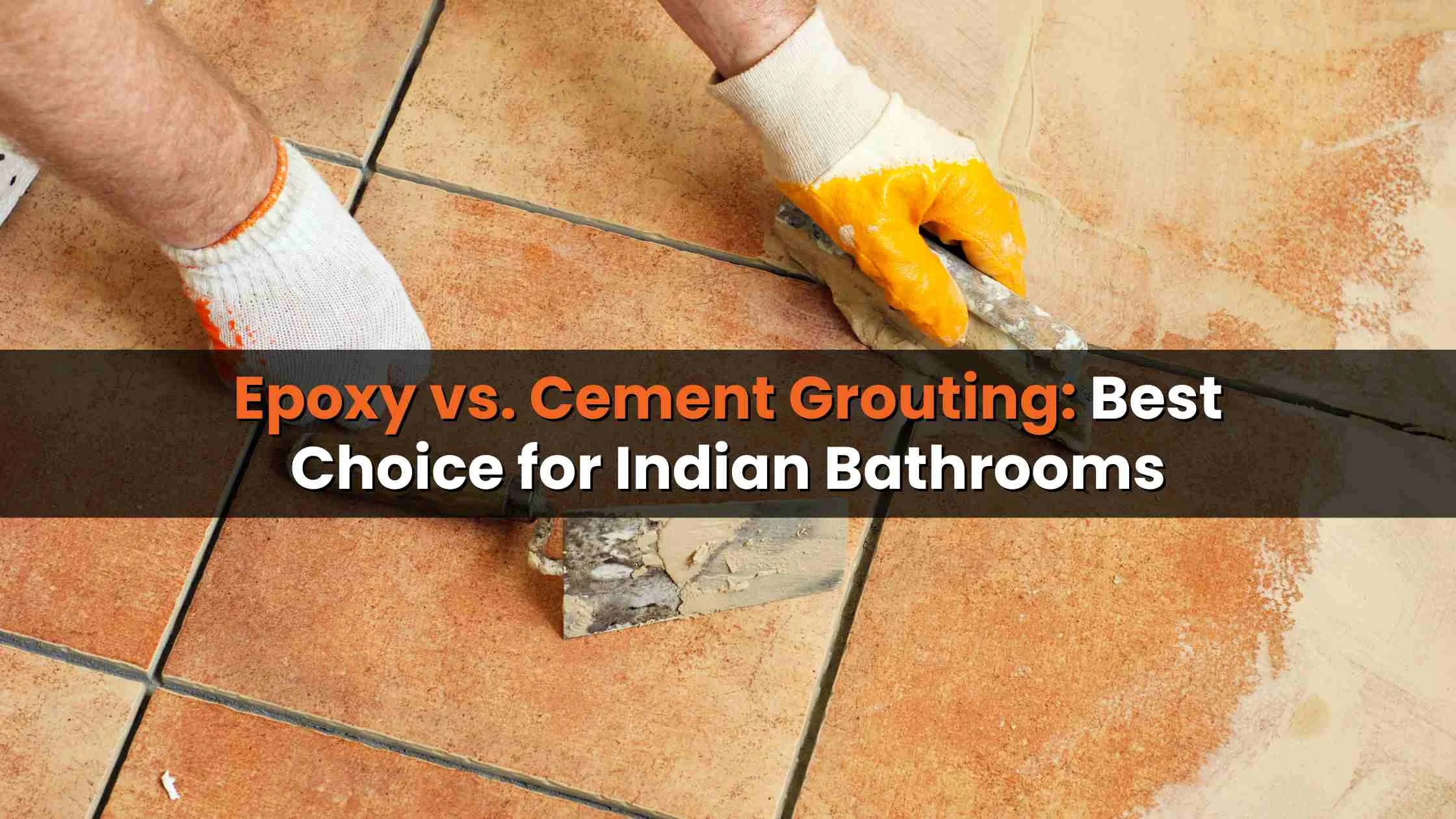
Tile grout is the material used to fill in the space between tiles once they have been laid down. Grout serves to hold tiles in place and prevent water damage and add an aesthetically pleasing finish to the tiled surface. Grout acts as a seal between tiles and helps prevent water from getting under the tile and compromising the adhesive bond or penetrating into the subflooring.
Porous grout absorbs moisture, organic material, and cleaning chemicals, creating a perfect breeding ground for mould and bacteria. In addition to being a functional material, but also the design of the grout line, like the color, the width, and its condition, matters a lot for how the whole tiled surface looks, kinda ties everything together in a visual sense.
Why Grouting Matters
- Prevent water penetration
- Improve tile durability
- Reduce tile movement
- Enhance aesthetics
- Protect against mold and mildew
- Increase the lifespan of tiled surfaces
The two most commonly used grout types in India are epoxy grout and cement grout.
Also Read: Wall Putty And Primer: The 2026 Guide to Saving Money on House Painting
What is Cement Grout?
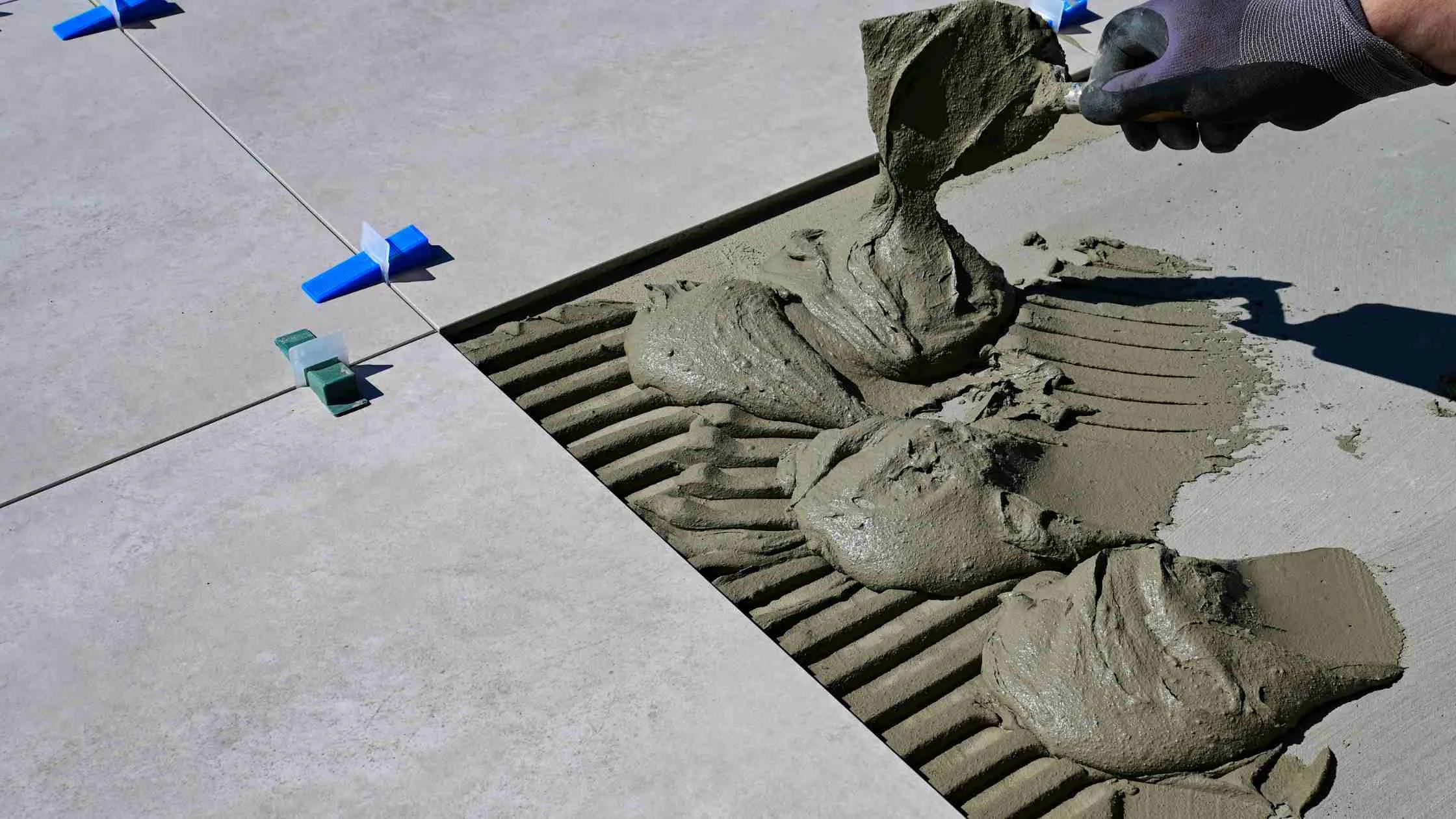
Cement grout is the traditional option that has been used in Indian homes for decades. It is made by mixing cement, fine sand pigments and a set of different additives depending on where you plan to put it. You can find it almost anywhere, every hardware store across the country and it usually arrives in a broad set of colors, shades that you can choose from.
It's significantly cheaper than epoxy grout in terms of material cost, it doesn't require specialist installation skills, and for many standard applications, it does its basic job adequately.
Features of Cement Grout
- Easy to install
- Widely available
- Cost-effective
- Available in multiple colors
- Suitable for most residential applications
Because of its affordability, cement grout remains a popular choice for Indian homes.
Advantages of Cement Grout
- Lower installation cost
- Easy repairs and replacement
- Suitable for large projects
- Readily available across India
- Works well in low-moisture areas
Limitations of Cement Grout
- Absorbs moisture
- Prone to staining
- Can develop cracks over time
- Requires periodic sealing
- May encourage mold growth in damp conditions
What is Epoxy Grout?
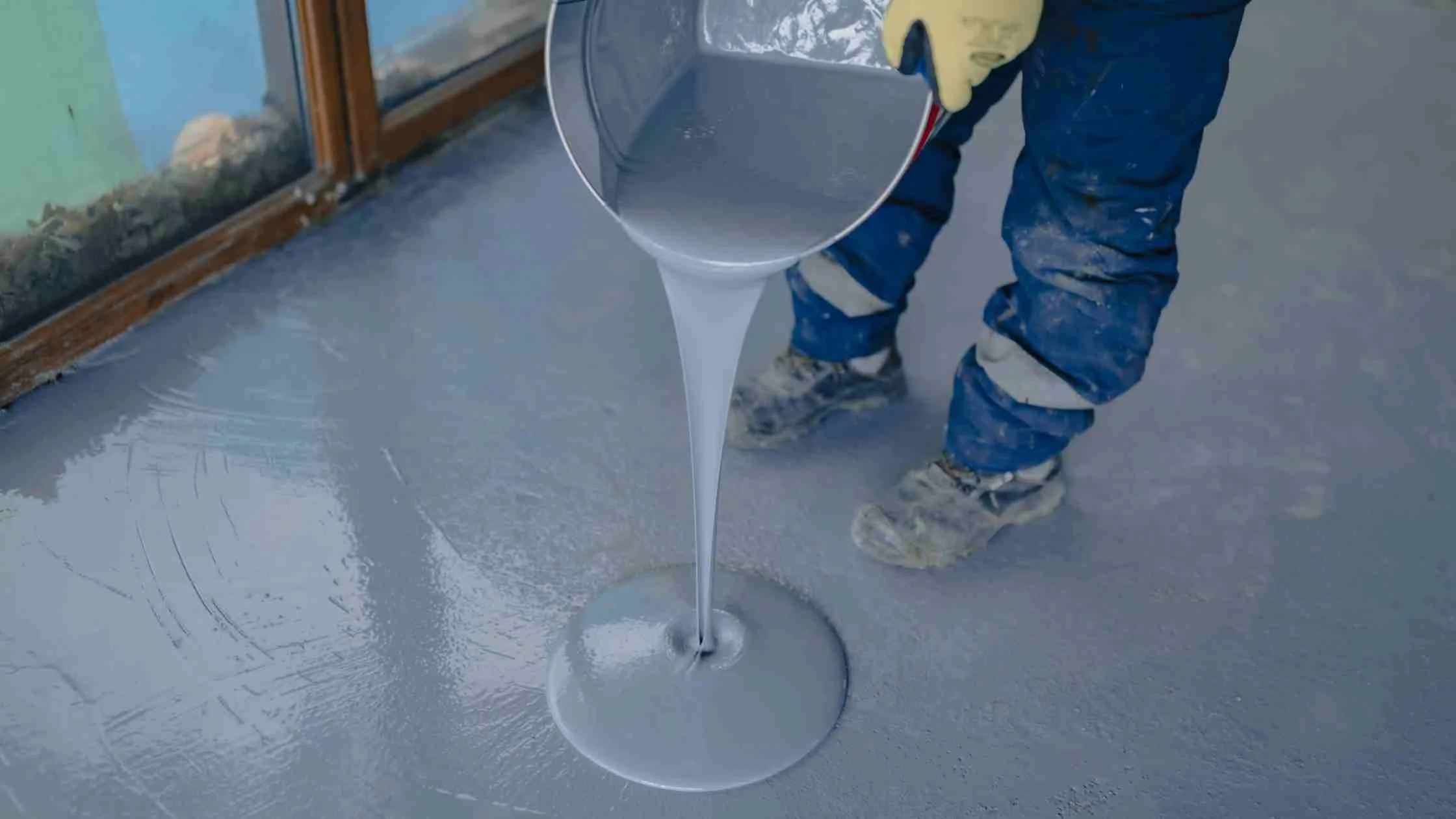
Epoxy grout is a very different type of material to cement grout. Epoxy resin is mixed with a hardener to form epoxy grout, and this involves similar chemical reactions as industrial adhesives and high-performance coatings. When combined and used, epoxy and hardener form an impermeable, very durable, and highly stain, bacteria, and cleaning chemical resistant cured surface.
Features of Epoxy Grout
- Waterproof construction
- High stain resistance
- Long-lasting performance
- Strong adhesion properties
- Minimal maintenance requirements
Epoxy grout has become increasingly popular in premium residential projects and luxury bathrooms.
Advantages of Epoxy Grout
- Completely water resistant
- Resistant to mold and mildew
- Highly durable
- Easy to clean
- Color remains stable for years
- Suitable for wet areas
Limitations of Epoxy Grout
- Higher initial cost
- Requires skilled installation
- More difficult to remove during renovations
- Faster setting time during application
Epoxy Grout vs Cement Grout Comparison
|
Feature |
Epoxy Grout |
Cement Grout |
|
Water Resistance |
Excellent |
Moderate |
|
Stain Resistance |
High |
Low |
|
Durability |
Very High |
Moderate |
|
Maintenance |
Minimal |
Regular |
|
Mold Resistance |
Excellent |
Average |
|
Crack Resistance |
High |
Moderate |
|
Cleaning Effort |
Easy |
Moderate |
|
Installation Complexity |
High |
Easy |
|
Lifespan |
15 to 20 Years |
5 to 10 Years |
|
Cost |
Higher |
Lower |
This comparison clearly shows why epoxy grout is increasingly preferred for modern bathrooms.
Also Read: POP vs. Gypsum False Ceiling: 2026 Cost Per Sq Ft and Design Guide
Which Grout Performs Better in Indian Bathrooms?
Most Indian bathrooms experience high moisture, particularly in areas near water such as some coastal regions; this is especially true during the monsoon season. Most urban centres use hard water for their plumbing and heating systems which contain a large amount of acids that form deposits when it evaporates. Many apartment buildings do not provide adequate ventilation for their bathrooms which therefore results in wet floors for extended periods of time following showering/bathing.
Daily use is intensive, multiple family members using the bathroom multiple times per day rather than the lower-use patterns in some other markets. When cleaning the bathroom, people tend to use harsher chemicals than recommended by most manufacturers in regions with a cooler and drier climate.
Common Bathroom Conditions in India
- High humidity levels
- Daily water exposure
- Hard water deposits
- Limited ventilation in apartments
- Frequent cleaning with chemicals
Under these conditions, grout performance becomes extremely important.
Why Epoxy Grout Excels
Epoxy grout performs particularly well because it does not absorb water. Unlike cement grout, it creates a waterproof barrier that prevents moisture from entering tile joints.
Benefits include:
- Reduced black stains
- Less fungal growth
- Better hygiene
- Longer-lasting appearance
- Lower maintenance costs
For families seeking long-term durability, epoxy grout often proves to be a smarter investment.
Cost Comparison Between Epoxy and Cement Grouting
Cost is one of the biggest deciding factors for homeowners.
Cement Grout Cost
Cement grout is significantly cheaper and suitable for budget-conscious projects.
Typical benefits include:
- Lower material costs
- Affordable labor charges
- Easy availability
Epoxy Grout Cost
Epoxy grout requires specialized materials and skilled labor, increasing upfront expenses.
However, homeowners may save money over time through:
- Reduced maintenance
- Fewer repairs
- Longer lifespan
- Better stain protection
While the initial investment is higher, lifecycle costs are often lower.
Best Areas to Use Epoxy Grout
Epoxy grout is ideal for areas exposed to regular moisture and heavy usage.
- Bathroom floors
- Shower enclosures
- Kitchen backsplashes
- Swimming pool tiles
- Balcony tiles
- Commercial washrooms
- Luxury residential projects
These areas benefit greatly from epoxy grout's waterproof properties.
When Cement Grout May Still Be a Good Choice
Despite the advantages of epoxy grout, cement grout remains relevant in certain situations.
- Budget renovation projects
- Guest bathrooms with limited usage
- Dry indoor areas
- Large-scale housing developments
- Temporary property upgrades
For homeowners prioritizing affordability over long-term performance, cement grout can still be practical. The important thing is that this choice should be made deliberately based on the actual conditions not just defaulted to because it's cheaper without considering what that savings will cost in maintenance and replacement over time.
Maintenance Requirements
Maintenance often determines how grout looks after several years.
Cement Grout Maintenance
To maintain cement grout, homeowners should:
- Seal grout periodically
- Clean regularly
- Remove mold buildup quickly
- Repair cracks when needed
Epoxy Grout Maintenance
Epoxy grout requires far less attention.
Typically, maintenance involves:
- Routine cleaning
- Occasional wiping
- No sealing requirements
- Minimal stain treatment
This convenience makes epoxy grout attractive for busy households.
Which Grout Should You Choose?
Choose epoxy grout, If you have a family that uses the bathroom daily, live in a humid climate or a region that experiences heavy rain, want a bathroom that will require little or no maintenance, are planning to keep your home for a long time, or are concerned about cleanliness.
Choose cement grout if you have a limited budget, the project is for a guest bathroom or has little use, the project is part of a short-term renovation on a rental property, or the surface is for dry decorative purposes with minimal exposure to moisture.
The decision should follow from those criteria rather than from whatever the contractor happens to have in their vehicle.
Conclusion
Epoxy grout is far superior to cement grout when comparing, so in terms of longevity, water resistance, hygiene, and lifetime costs epoxy grout is the better option than cement grout. In Indian bathrooms where humidity levels are high, epoxy grout's unique characteristics such as high resistance to stains, moisture, moulds and cracking, make them ideal for this purpose.
Cement grout also offers low upfront costs, since it is not recommended for high humidity areas it would need to be maintained more often and does not typically last as long and therefore would require more on-going costs. For a homeowner seeking modern, easy, long-lasting bathroom options, epoxy grout would be the more cost effective option to use even though they would have to pay a higher initial price.






Ans 1. The fundamental difference is in composition and porosity. Cement grout is made from cement, sand, and additives; it's porous, absorbs moisture, and can stain or crack over time. Epoxy grout is made from epoxy resins and a hardener that cure into a non-porous, chemically resistant surface. Epoxy grout does not absorb water, resists staining and mould, and lasts significantly longer under wet conditions. The trade-off is that epoxy grout costs more and is harder to install correctly.
Ans 2. For most primary bathrooms in Indian homes, yes. Indian bathrooms face conditions high humidity, hard water, daily intensive use, and often limited ventilation that accelerate the degradation of cement grout significantly. Epoxy grout's waterproof, non-porous surface performs considerably better under these conditions, requires minimal ongoing maintenance, and typically lasts two to three times longer than cement grout in comparable applications. The higher upfront cost is generally recovered through lower maintenance expenses and avoided regrouting costs within seven to ten years.
Ans 3. Epoxy grout in a well-installed bathroom application typically lasts 15 to 20 years without significant deterioration under normal residential conditions. Cement grout in a comparable Indian bathroom setting dealing with regular moisture, hard water, and daily cleaning generally shows visible staining, cracking, or mould within five to seven years, and may need regrouting within eight to ten years. The lifespan difference is one of the most significant practical arguments in favour of epoxy grout for permanent residential installations.
Ans 4. Epoxy grout can be used with most standard bathroom tile types including ceramic, vitrified, porcelain, and glass mosaic tiles. However, it's worth noting that some textured or unglazed tiles can make epoxy cleanup more difficult during installation, since the resin can be harder to remove from textured surfaces before it cures. On highly polished or large-format tiles, epoxy grout is particularly effective and easy to clean during application. Always check the manufacturer's specifications for the specific tile type you're working with.
Ans 5. Yes, cement grout should ideally be sealed to improve its water and stain resistance. In a primary bathroom used daily, sealing is recommended every one to two years to maintain reasonable performance. Even with regular sealing, cement grout remains more porous than epoxy and will still be more susceptible to staining and mould than an epoxy alternative. The sealing requirement adds ongoing cost and effort that should be factored into the total cost comparison between the two options.
Ans 6. The black discolouration that commonly appears in cement grout joints in Indian bathrooms is typically a combination of mould growth and hard water mineral deposits. Cement grout's porous surface absorbs moisture and provides a substrate where mould and mildew can colonise particularly in bathrooms with limited ventilation where surfaces stay damp for extended periods after use. Hard water also leaves mineral deposits in the joints that accumulate over time. Epoxy grout's non-porous surface prevents moisture absorption and therefore significantly reduces both mould growth and mineral deposit accumulation.
Ans 7. Epoxy grout is considerably more demanding to install than cement grout. It has a faster setting time which requires the installer to work quickly and cleanly, and it needs to be mixed precisely in the correct resin-to-hardener ratio. Any excess epoxy on tile surfaces must be removed promptly before it cures, as hardened epoxy is very difficult to clean off. Not all tile contractors in India have experience with epoxy grout. If you're specifying it for your bathroom, ask specifically about the contractor's experience with epoxy applications and consider hiring a specialist if the standard contractor hasn't used it before.
Ans 8. This is one area where cement grout has a clear advantage. Cement grout can be chipped out relatively easily and replaced section by section without major disruption. Epoxy grout, because of its hardness and strong adhesion, is significantly more difficult to remove once cured. Partial repairs are possible but can be challenging to colour-match and blend seamlessly. In practice, epoxy grout rarely needs repair under normal conditions; its durability means damage is uncommon but the difficulty of repair if it does get damaged is a genuine limitation worth knowing about before choosing it.
Ans 9. Epoxy grout is strongly preferable for bathroom floors. The floor is the most moisture-exposed surface in any bathroom; it deals with standing water, daily cleaning with wet mops, hard water deposits, and foot traffic simultaneously. Cement grout on bathroom floors typically shows staining and mold within a few years under these conditions even with sealing. Epoxy grout's waterproof surface handles these conditions significantly better and maintains its appearance without intensive maintenance. For tiled bathroom floors in Indian homes, specifying epoxy grout is almost always the right decision.
Ans 10. Epoxy grout does emit fumes from the resin and hardener components during mixing and application. The smell is noticeable during installation and for a short period afterward while the material cures, and the bathroom should be well-ventilated during and immediately after application. Once fully cured typically within 24 to 72 hours depending on the product and conditions epoxy grout is odorless and chemically stable. The installation-time fume emission is a temporary inconvenience of the process rather than an ongoing issue.