
✦ AI Summary
Table of Content
▲- What Is Terrace Waterproofing and Why Does It Matter?
- Types of Terrace Waterproofing Methods And Which One Suits Your Home
- Waterproofing Methods Comparison Table
- The Waterproofing Process Step by Step
- How Much Does Terrace Waterproofing Cost in India in 2026?
- Maintenance Tips That Extend Waterproofing Life
- Conclusion
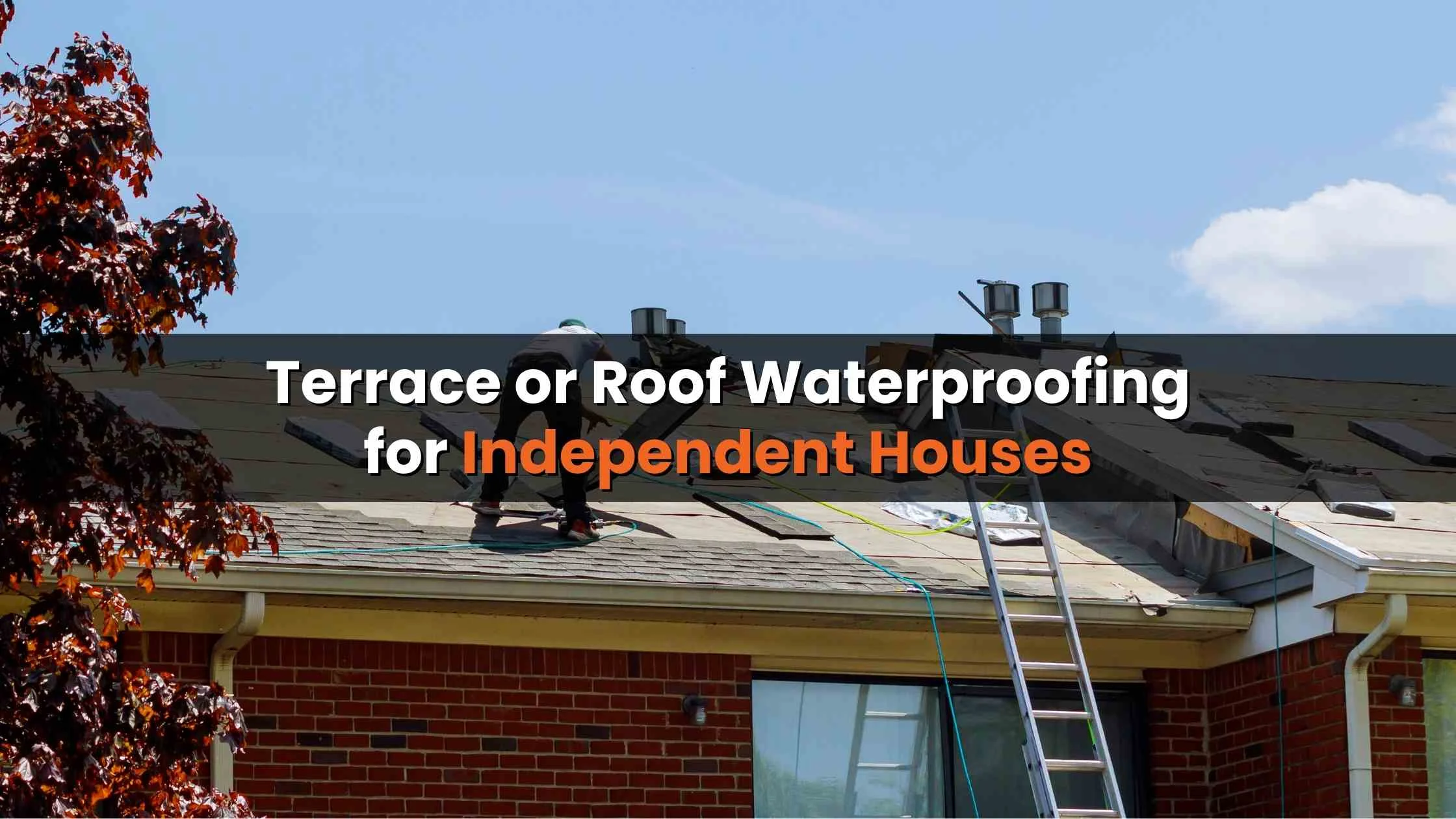
In independent houses, terrace and rooftop water seepage is a frequent concern. If it is left unaddressed, there will be issues with damp walls, peeling and chipping, damage to the structure of the building, as well as expensive repairs. Fortunately, with proper installation of waterproofing, you should be able to eliminate the above problems for numerous reasons if done correctly and reliably. The purpose of this guide is to present you with all of the relevant information you will need for the proper installation of roof waterproofing in a straightforward and practical manner.
What Is Terrace Waterproofing and Why Does It Matter?
Terrace waterproofing requires the installation of protective materials above a roof surface which prevents water from entering the underlying concrete slab. The installed layers create an unbroken protective shield which prevents rainwater and trapped moisture and slow water infiltration through tiny cracks from entering your home.
Here's what waterproofing protects you from:
- Water leakage seeping into ceilings, walls, and floors below the terrace
- Structural weakening of the RCC slab over time due to moisture exposure
- Mould, fungus, and damp patches that affect indoor air quality and wall finishes
- Peeling paint led to increased expenses
- Long-term decline in property value because leaking roof is the first thing a buyer notices
Also Read: How Water Seepage Ruins the Structural Stability of Your Home
Types of Terrace Waterproofing Methods And Which One Suits Your Home
Choosing the best approach will depend on multiple factors such as the condition of the roof, how the terrace is used, the climate of the area and majorly what’s your budget. Below are some common types of waterproofing.
1. Liquid Waterproofing
A liquid coating is a waterproof polymer that floats above the surface.
Best for: Existing roofs with minor surface cracks, irregular shapes, and areas around pipe fittings
Key advantages:
- Application is straightforward and doesn't require heavy equipment
- Flexible enough to handle minor structural movement without cracking
- One of the most cost-effective entry points for waterproofing
2. Bituminous Waterproofing
Bituminous waterproofing uses asphalt-based sheets or liquid coatings to create a thick, highly water-resistant barrier.
Best for: Flat terraces, rooftop areas in high-rainfall regions, large surface areas
Key advantages:
- Excellent resistance to heavy and sustained water exposure
- Long service life when properly applied
- Handles ponding water better than thinner membrane systems
3. Cementitious Waterproofing
A cement-based coating mixed with waterproofing chemicals and polymers, applied like a thick paint or slurry.
Best for: Bathrooms, water tanks, internal terrace surfaces, basement walls
Key advantages:
- The most affordable option in the waterproofing category
- Easy to apply, many homeowners handle this themselves for small areas
- Strong mechanical bond with concrete and brick surfaces
4. Polyurethane Waterproofing
The liquid membrane category reaches its highest quality through polyurethane which functions as a top-tier flexible coating that protects against UV radiation.
Best for: Exposed roofs in extreme weather conditions, premium construction, terraces with foot traffic
Key advantages:
- Outstanding durability with very low maintenance requirements
- UV resistant doesn't chalk, crack, or degrade under direct sunlight
- Accommodates building movement and thermal expansion effectively
5. Brick Bat Coba Waterproofing
The traditional Indian method of broken brick pieces set in mortar, followed by a lime or cement finish has been used for generations and still has genuine merit.
Best for: Older constructions, homes needing heat insulation alongside waterproofing, terraces without existing slope
Key advantages:
- Provides thermal buffering that modern membrane systems can't match
- Durable when executed properly by an experienced mason
- Suitable for re-roofing where the existing surface needs to be completely rebuilt
Waterproofing Methods Comparison Table
|
Method |
Cost Level |
Durability |
Maintenance Needed |
|
Liquid Membrane |
Low–Medium |
Moderate |
Low |
|
Bituminous |
Medium |
High |
Medium |
|
Cementitious |
Low |
Moderate |
Low |
|
Polyurethane |
High |
Very High |
Very Low |
|
Brick Bat Coba |
Medium |
High |
Medium |
The Waterproofing Process Step by Step
The material you choose matters. But execution matters more. A polyurethane coating applied on a poorly prepared surface will fail faster than a basic liquid membrane applied correctly. This is the step where most contractors cut corners and where most early failures originate.
Here's what a properly executed waterproofing job looks like from start to finish. Proper execution matters more than the material itself.
Standard Process
Step 1. Surface Cleaning - Complete the process of dust and debris and old coating removal
Step 2. Crack Repair - Use sealants or mortar to fill all visible cracks
Step 3. Slope Correction - Create proper water flow towards drainage outlets
Step 4. Primer Application - The primer helps to establish better connection between the surface and waterproofing layer
Step 5. Waterproof Coating - The selected material needs to be applied throughout the surface area
Step 6. Curing and Testing - The process requires both drying time and execution of water pond test procedures
Also Read: How to resolve water leakage from roof?
How Much Does Terrace Waterproofing Cost in India in 2026?
Costs vary based on method and city, but here’s a realistic estimate:
Average Cost Range
- Basic waterproof coating: ₹30–₹60 per sq ft
- Liquid membrane: ₹60–₹120 per sq ft
- Bituminous sheets: ₹80–₹150 per sq ft
- Polyurethane coating: ₹120–₹250 per sq ft
- Brick bat coba: ₹100–₹180 per sq ft
Additional Costs
- Crack repair: ₹10–₹30 per sq ft
- Labour charges: ₹20–₹50 per sq ft
For a 1,000 sq ft terrace, total cost typically ranges between ₹60,000 and ₹2.5 lakh, depending on the system used.
Maintenance Tips That Extend Waterproofing Life
Your waterproofing system needs periodic maintenance to achieve its maximum intended lifespan. The implementation of basic practices will enable you to achieve results that last 7 years or 12 years from using the same material.
The majority of waterproofing failures occur at drainage locations or around the edges of roofs, rather than on large expanses of waterproofing material. Therefore, keep both your edge and drainage areas clean and inspect them periodically to avoid leaks from developing into a larger problem.
- Clean terrace drainage regularly
- Inspect cracks before monsoon
- Reapply coating every 5–7 years if needed
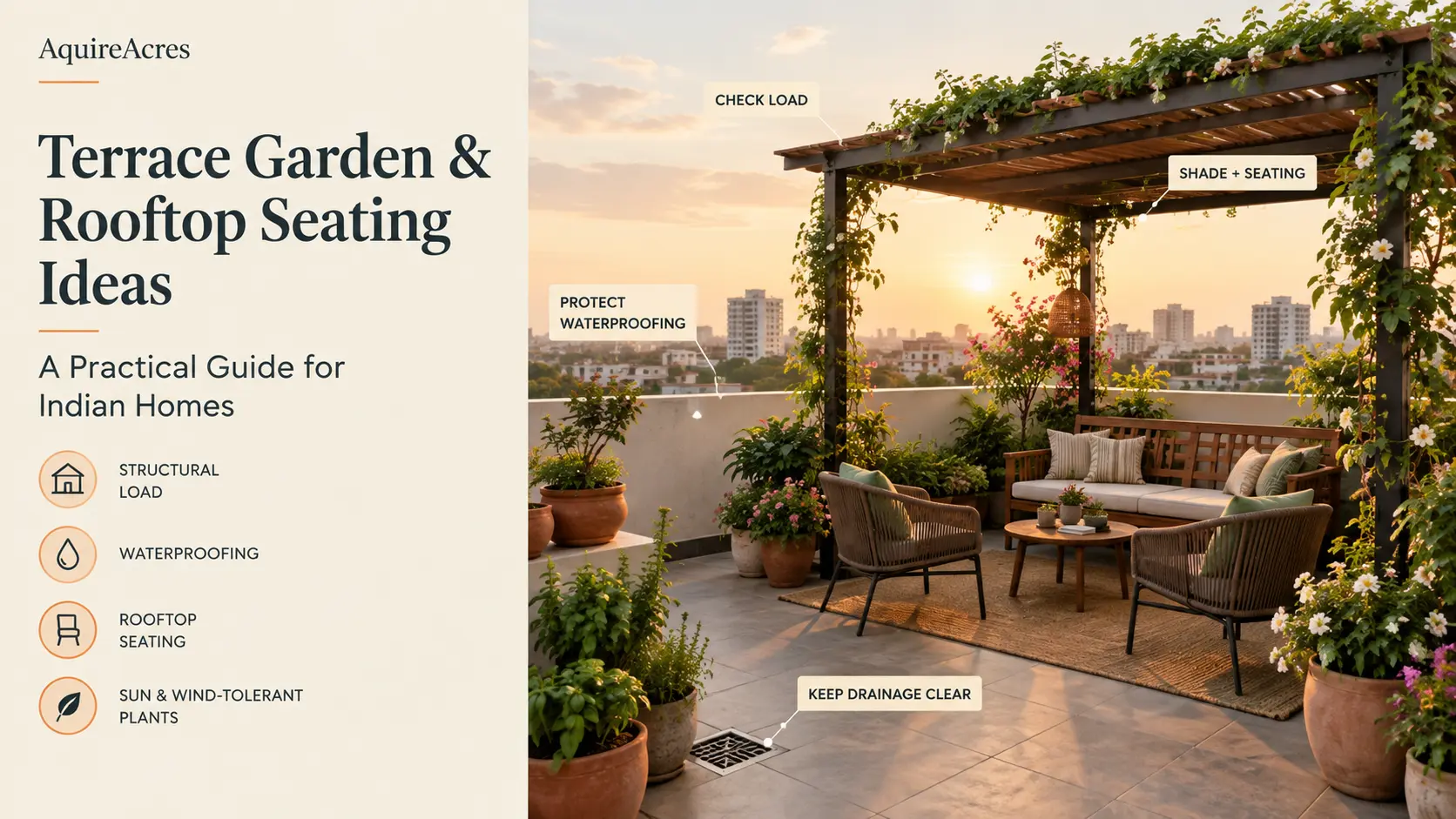
- Avoid heavy structural loads on roof
- Fix plumbing leaks immediately
Conclusion
Roof waterproofing isn’t just a repair work, it provides a permanent solution to future water seepage problems. Your home will achieve extended protection through the combination of proper procedures and high-quality materials together with their correct implementation. Successful budget-friendly coatings together with high-end systems require proper planning and expert installation. Waterproofing protection on terraces creates safe areas for residents during monsoon storms while reducing expenses and protecting against damage.


_1792151285.webp)

Ans 1. Terrace waterproofing is the process of applying protective layers on roofs to prevent water seepage and leakage.
Ans 2. Polyurethane is best for long term durability while liquid membrane is suitable for budget friendly repairs.
Ans 3. It typically ranges between ₹30 and ₹250 per sq ft depending on the method and material used.
Ans 4. Most waterproofing systems last between 5 to 10 years with proper maintenance.
Ans 5. Yes if done correctly with proper surface preparation and high quality materials.
Ans 6. Bituminous waterproofing works best for areas with heavy rainfall and water stagnation.
Ans 7. Common causes include cracks poor drainage damaged coatings and low quality construction.
Ans 8. Reapplication is usually required every 5 to 7 years depending on exposure and wear.
Ans 9. Yes a leak free roof improves property condition and increases resale value.
Ans 10. Skipping crack repair and slope correction is the most common reason for waterproofing failure.