
✦ AI Summary
Table of Content
▲- Why Ghaziabad’s Real Estate Market Is Evolving
- Connectivity: The Biggest Game Changer
- Infrastructure Growth: Building a New Identity
- Market Performance: Strong Growth Indicators
- Top Micro Markets Driving Growth
- From Houses to Lifestyle Living
- Safety and Space: New Buyer Priorities
- Price Comparison: Ghaziabad vs Delhi NCR
- Why Ghaziabad Is a Smart Investment Destination
- Future Outlook: A Premium Real Estate Destination
- Final Thoughts
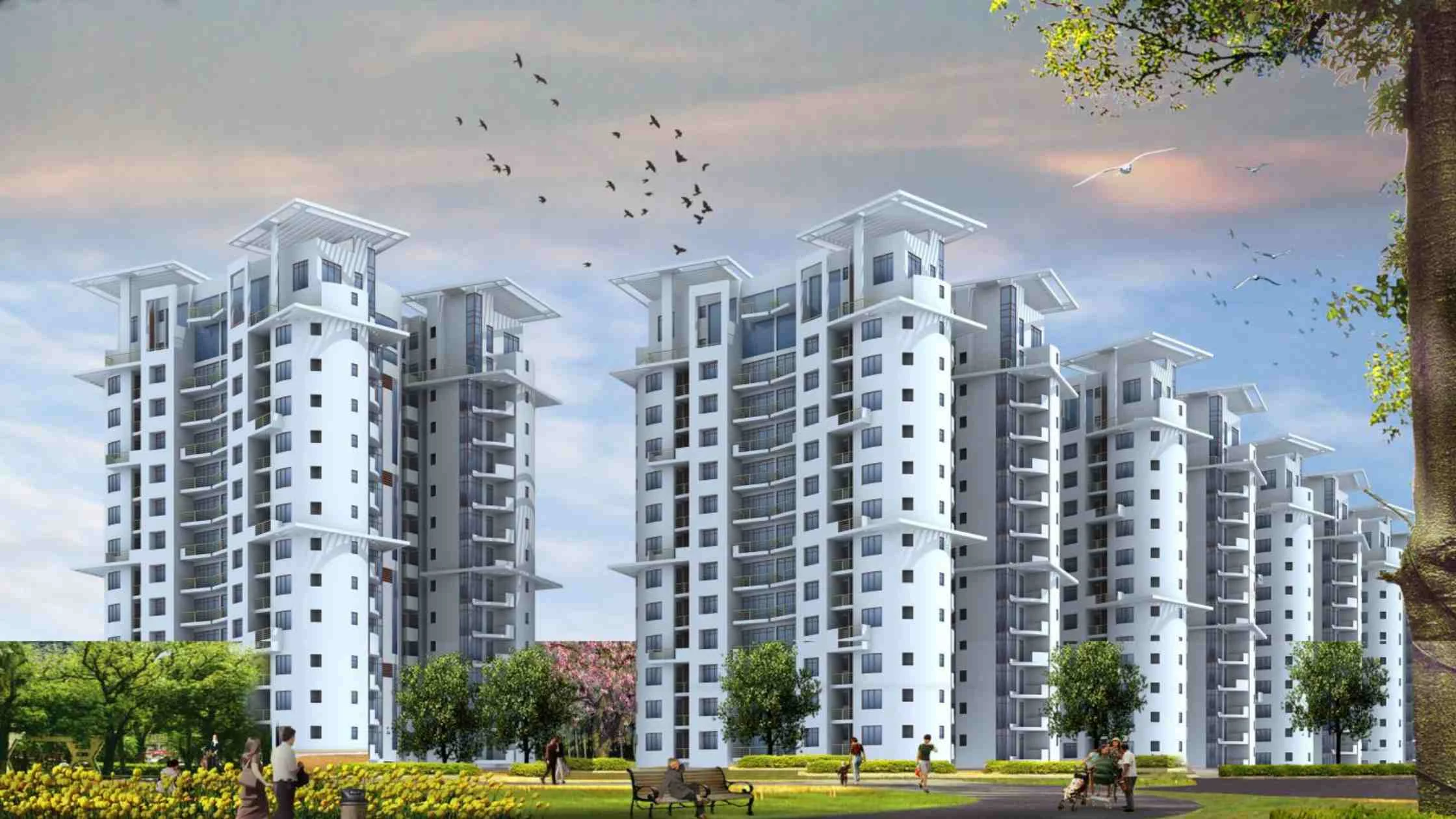
Ghaziabad's rapid transformation into the Delhi NCR market for affordable homes, it is beginning its journey as a premier real estate market for developers in terms of offering luxury homes, premium residential communities, and high-return investments. The marketplace has experienced this change because minority buyers now prefer different products while infrastructure development and regional connectivity enhancements have transformed the area.
Here's a detailed guide, what's driving Ghaziabad transformation and what it means for buyers and investors in 2026.
Why Ghaziabad’s Real Estate Market Is Evolving
Ghaziabad's market evolved due to ongoing infrastructure advancements, shifting consumer demands, and the post-pandemic changes in people's perceptions of social spaces and individual behaviors.
The Ghaziabad buyer focused mainly on cost, as they could no longer afford Delhi and Noida and required a sensible option. The original buyer remains, but the new buyer is now prioritized over the old ones. Individuals able to pay for mid-tier apartments in Noida are choosing to move to Ghaziabad's higher-end townships, as those locations offer greater value compared to their present housing choices and also give higher return as compared to old infrastructure.
Also Read: Ghaziabad Rental Value Revised by UP Government What It Means for Property Owners
Key Drivers Behind This Transformation
- Enhanced connectivity with Delhi and Noida
- Swift infrastructure advancement along corridors
- Increase in demand for bigger houses after the pandemic.
- Growing interest in gated communities and luxury amenities
- Better social infrastructure like schools, hospitals, and malls
This evolution is not sudden. It is the result of consistent urban planning and rising aspirations of modern homebuyers.
Connectivity: The Biggest Game Changer
The development of Ghaziabad's image transformation process depends on its current connectivity system. The previous travel times which required extensive time periods to complete travel between destinations used to prevent users from making purchases. The city has become more appealing to visitors because its current connection systems enable easy movement through all areas of the city.
Major Connectivity Boosters
- Delhi Meerut Expressway reducing travel time significantly
- Expansion of metro connectivity in Indirapuram, Vaishali, and nearby areas
- Namo Bharat RRTS improving regional travel efficiency
- Better road networks and flyovers improving daily commute
Impact on Housing Demand
- Buyers now prefer larger homes outside Delhi
- Weekend homes and second homes are gaining popularity
- Professionals are shifting closer to affordable yet well-connected areas
Connectivity has effectively reduced the distance perception, making Ghaziabad a practical choice for premium living.
Infrastructure Growth: Building a New Identity
The development of Ghaziabad's internal infrastructure together with its connectivity improvements has created a complete city which functions as an independent destination rather than being a mere extension of Delhi.This difference is crucial for real estate, as individuals purchase in cities where they can engage completely, not just rest.
Key Infrastructure Developments
- Expansion of NH 24 corridor
- Regional airport connectivity via Hindon Airport
- Boost from upcoming Jewar Airport influencing nearby investment zones
- Improved civic infrastructure in planned townships
What This Means for Buyers
- Faster access to business hubs
- Better quality of life
- Higher property appreciation potential
Infrastructure upgrades are directly translating into higher real estate demand and rising property values.
Market Performance: Strong Growth Indicators
Ghaziabad's market development isn't merely qualitative; it is evident in quantifiable data that establishes the city as a significant player in NCR's total residential market
Key Market Insights
- Around 10 percent share in new launches in NCR
- Approximately 16 percent contribution to total sales
- Constant demand from mid-income and premium buyers
This data highlights a critical trend, demand isn’t just growing, it is diversifying across segments.
Top Micro Markets Driving Growth
Ghaziabad real estate market is diverse, featuring specific areas that serve different buyer demographics and stages of their development. Understanding where growth is focused in the city enables buyers and investors to make more educated location decisions.
High-Growth Micro Markets
- Raj Nagar Extension: Renowned for reasonably priced upscale residences.
- Siddharth Vihar: Favored by mid-tier purchasers because of its closeness to NH 24.
- Indirapuram: Robust rental demand and well-developed infrastructure
- NH 24 Corridor: Swift development featuring gated communities and contemporary initiatives
Why These Areas Are Popular
- Strategic location
- Competitive pricing
- Better connectivity
- Modern residential projects
From Houses to Lifestyle Living
The key transformation in Ghaziabad's real estate sector is not related to the price levels or the dimensions of houses. Contemporary buyers in NCR view a home purchase as more than just obtaining square footage. The buyers make their purchase because they want to invest in specific lifestyle environments which developers in Ghaziabad's upscale areas have created.
What Modern Buyers Want
- Clubhouses and wellness spaces
- Green open areas and landscaped gardens
- Smart security systems
- Community living experience
Developers are now offering integrated townships where residents get everything within the project making it a complete living ecosystem.
Safety and Space: New Buyer Priorities
Post-pandemic, the housing market has experienced a significant change in value, and Ghaziabad's growth has been ideally positioned to take advantage of this. Buyers who went through lockdowns in confined Delhi apartments or tiny Noida flats have emerged from the pandemic with a clear awareness of their home requirements that they lacked previously
Key Trends
- Growing demand for 3 BHK and 4 BHK homes
- Preference for gated communities with 24x7 security
- Increased need for home office space
Compared to Delhi, Ghaziabad offers larger homes at relatively lower prices, making it highly attractive for families.
Also Read: Ghaziabad Development Cuts Property Interest Rates to Boost Home Sales
Price Comparison: Ghaziabad vs Delhi NCR
|
Factor |
Ghaziabad |
Delhi |
|
Average Price per sq ft |
₹5,000 – ₹8,000 |
₹15,000 – ₹25,000+ |
|
Space Availability |
High |
Limited |
|
Entry Cost |
Moderate |
High |
|
Growth Potential |
High |
Stable |
|
Buyer Segment |
Mid to Premium |
Premium |
This price advantage is a major reason why buyers are shifting toward Ghaziabad.
Why Ghaziabad Is a Smart Investment Destination
The market status of Ghaziabad has changed from being an economical shopping destination to becoming an actual shopping destination which now leads investors to recognize its economic impact on their property investments.
Key Investment Benefits
- Strong infrastructure pipeline
- Rising demand for premium housing
- Increasing rental demand in key areas
- Upcoming connectivity projects boosting future value
Investment Opportunities
- Early entry in developing micro-markets
- Long-term capital appreciation
- Rental income from working professionals
Investors are now looking at Ghaziabad as a growth-driven market rather than a low-cost alternative.
Future Outlook: A Premium Real Estate Destination
Ghaziabad is clearly moving toward becoming a premium residential hub in NCR.
What to Expect in the Coming Years
- Increased launch of luxury projects
- Expansion of integrated townships
- Higher demand from end-users and investors
- Steady price appreciation
The city is no longer just about affordability, it is about value, lifestyle, and future growth.
Final Thoughts
Ghaziabad's shift from budget-friendly homes to premium living shows a broader evolution in India's urban real estate market. The city has developed into a strong competitor for luxury real estate because of its improved connectivity and modern infrastructure and changing buyer preferences.
It provides homebuyers both space and lifestyle at an affordable cost. It offers significant growth opportunities for investors. It is evident that Ghaziabad is no longer a secondary choice. It stands as a destination by itself.
_1792140859.webp)

_1792151285.webp)
Ans 1. Ghaziabad's real estate market is growing in 2026 due to a combination of improved connectivity through the Delhi Meerut Expressway and Namo Bharat RRTS, rising demand for premium and luxury housing post-pandemic, expanding social infrastructure including schools, hospitals, and malls, and developer confidence reflected in strong new launch and sales activity.
Ans 2. The best areas to buy property in Ghaziabad in 2026 include Raj Nagar Extension for affordable luxury housing with spacious 3BHK and 4BHK options, the NH 24 Corridor for gated community living with strong expressway connectivity, Siddharth Vihar for mid-segment buyers seeking NH 24 proximity, and Indirapuram for an established zone with strong rental demand and social infrastructure.
Ans 3. Property prices in Ghaziabad average ₹5,000 to ₹8,000 per sq ft, significantly below Delhi's ₹15,000 to ₹25,000+ per sq ft and Noida's ₹8,000 to ₹15,000 per sq ft range. This price advantage means buyers can access substantially larger homes with better amenities in Ghaziabad's premium townships at the same budget that would buy a mid-segment apartment in Delhi or Noida.
Ans 4. Yes, Ghaziabad presents a strong investment case in 2026 based on rising premium housing demand, improving infrastructure including the RRTS and expressway network, growing rental demand from NCR professionals, and early-stage pricing in developing micro-markets that haven't yet fully reflected infrastructure improvement. The city's contribution of 16 percent to total NCR sales demonstrates genuine market absorption rather than speculative interest. Investors with a 5 to 10-year horizon in well-located micro-markets along the NH 24 corridor and RRTS route have the strongest appreciation potential.
Ans 5. The Delhi Meerut Expressway has been one of the most significant factors in Ghaziabad's property market transformation. By dramatically reducing travel time between Ghaziabad and Delhi's employment and commercial centres, it has changed how buyers perceive the city's distance from the capital making premium residential locations along the expressway corridor genuinely viable for professionals who commute to Delhi. It has also attracted developer investment in expressway-adjacent projects that have raised the overall quality benchmark for Ghaziabad's residential market.
Ans 6. Namo Bharat RRTS (Regional Rapid Transit System) is a high-speed regional rail project connecting Delhi to Meerut through Ghaziabad at speeds significantly faster than conventional metro or road travel. For property buyers, the RRTS fundamentally changes the commuting equation for the Delhi-Ghaziabad-Meerut corridor, making it practical to live further from Delhi while maintaining manageable commute times. Properties in RRTS-station-adjacent locations in Ghaziabad are seeing heightened investor and end-user interest ahead of full system operationalisation.
Ans 7. The highest demand in Ghaziabad in 2026 is for 3BHK and 4BHK apartments in gated communities with comprehensive amenities including clubhouses, landscaped gardens, and smart security systems. This demand shift reflects post-pandemic preference for more space and dedicated work-from-home areas.
Ans 8. Raj Nagar Extension has established itself as one of NCR's most compelling affordable luxury destinations offering spacious 3BHK and 4BHK apartments in planned gated communities at prices significantly below comparable Noida projects. Its investment attractiveness comes from a combination of strong end-user demand, improving social infrastructure in the surrounding area, and pricing that still has appreciable upside relative to more established NCR luxury zones. Investors targeting medium-term appreciation and buyers seeking lifestyle upgrades from smaller Delhi apartments both find the Raj Nagar Extension value proposition compelling.
Ans 9. Post-pandemic, Ghaziabad's real estate market has seen a fundamental shift in both demand composition and project quality. Buyer preference has moved strongly toward larger homes 3BHK and 4BHK configurations with dedicated work-from-home space and private outdoor areas. Demand for gated communities with comprehensive security and lifestyle amenities has grown significantly as buyers prioritise controlled, community-based living over individual apartments in open areas.
Ans 10. The infrastructure developments most directly driving property appreciation in Ghaziabad include the Namo Bharat RRTS corridor improving regional connectivity, the Delhi Meerut Expressway reducing travel time to Delhi, metro expansion in Indirapuram and Vaishali, the NH 24 corridor development attracting premium project launches, proximity to Jewar Airport in Greater Noida influencing investment in eastern NCR broadly, and Hindon Airport providing local aviation access. Each of these projects improves the city's connectivity profile in ways that translate into higher demand and stronger pricing in well-located micro-markets.