
Table of Content
▲
The Ghaziabad Development Authority (GDA) has reduced its property interest rates from 10.7% to 8.7%, aligning with SBI rates. Along with a lower EMI penalty, this move aims to accelerate the sale of 1,748 unsold dwelling units, boost buyer confidence, and make Authority properties more financially accessible.
Interest Rate Reduction Aligned with SBI
The newly revised interest rate will remain dynamic, adjusting automatically with SBI’s changes. Over the past seven years, GDA’s rates have been static at 10.7%, making it higher than prevailing market rates. A GDA official noted, “It was argued that the interest rates charged by development authorities across the state should be at par with SBI’s. Why impose higher rates when banks offer cheaper financing?”
By aligning the property interest rates with SBI, GDA ensures that homebuyers receive competitive financing, making ownership of Authority properties more financially viable.
Reduced EMI Penalties Encourage Timely Payments
Alongside the interest rate reduction, the Authority has lowered the penalty for delayed EMIs from 3% to 2%. This adjustment brings the penalty structure closer to competitive market standards and provides additional relief for buyers, minimizing the financial strain of missed payments while encouraging regular EMI compliance.
Also Read: LDA Extends Anant Nagar Plot Registration Deadline to January 16
Targeting Unsold Dwelling Units
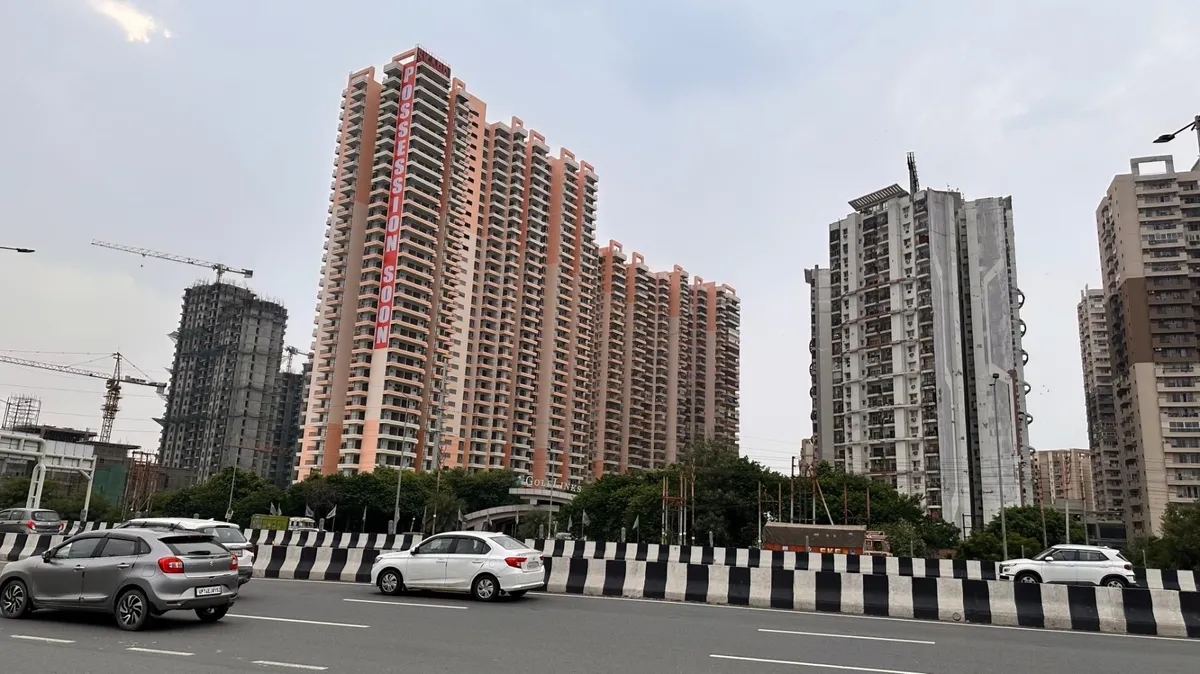
The rate cut is particularly significant for GDA’s inventory of 1,748 unsold dwelling units, which include flats across multiple housing categories EWS, LIG, mini-LIG, and standard 1, 2, and 3 BHK units. Unit prices range from Rs 5.7 lakh for EWS flats to Rs 69.4 lakh in other housing schemes. Experts believe the interest rate revision will drive higher bookings and help clear longstanding inventory.
Market Response and Expert Insights
Real estate analysts suggest that the Ghaziabad development cuts interest rate on properties will boost buyer confidence, especially among first-time homebuyers and investors seeking affordable housing options in urban areas. Reduced financing costs, coupled with lower penalties, make the Authority’s housing schemes more attractive compared to private market alternatives.
A GDA official further stated, “The new rates and reduced penalties are designed to make GDA properties financially accessible, while also ensuring timely collection of dues. We expect this measure to accelerate registrations and help homebuyers invest with confidence.”
Conclusion
With this proactive step, the Ghaziabad development cuts interest rate on properties, providing a significant impetus to unsold inventory sales and making homeownership more accessible. Buyers stand to benefit from competitive financing, lower penalties, and a streamlined process, while the Authority anticipates enhanced clearance of long-standing unsold flats. This policy aligns with broader government efforts to strengthen the real estate sector and support homebuyers across Uttar Pradesh.

_1792140859.webp)


_1792151285.webp)

Ans 1. The Ghaziabad Development Authority (GDA) has reduced its property interest rate from 10.7% to 8.7%, aligning it with SBI home loan rates.
Ans 2. The rate reduction aims to boost home sales, clear 1,748 unsold dwelling units, increase buyer confidence, and make Authority properties more financially accessible.
Ans 3. Alongside lower interest rates, the EMI penalty for delayed payments has been reduced from 3% to 2%, easing financial strain and encouraging timely payments.
Ans 4. The reduction applies to all unsold flats across EWS, LIG, mini-LIG, and standard 1, 2, and 3 BHK units, with prices ranging from ₹5.7 lakh to ₹69.4 lakh.
Ans 5. Yes, the rates are dynamic and will adjust automatically with changes in SBI’s home loan rates, ensuring competitive financing for buyers.
Ans 6. Buyers benefit from lower EMIs, reduced penalties, affordable financing, and improved access to GDA properties, making homeownership more attainable in Ghaziabad.
Ans 7. The move is expected to accelerate registrations, clear unsold inventory, and enhance buyer confidence, particularly among first-time homeowners and investors.