
✦ AI Summary
Table of Content
▲- Why Living Room Vastu Matters
- Common Living Room Vastu Doshas and Their Remedies
- Living Room Vastu Dosha and Solutions Comparison
- Seating Arrangement Mistakes in the Living Room
- Clutter and Storage Related Vastu Doshas
- Color Choices That May Create Vastu Imbalance
- Decorative Elements That Improve Living Room Vastu
- Entrance Related Living Room Vastu Doshas
- Quick Checklist for a Vastu-Compliant Living Room
- Conclusion
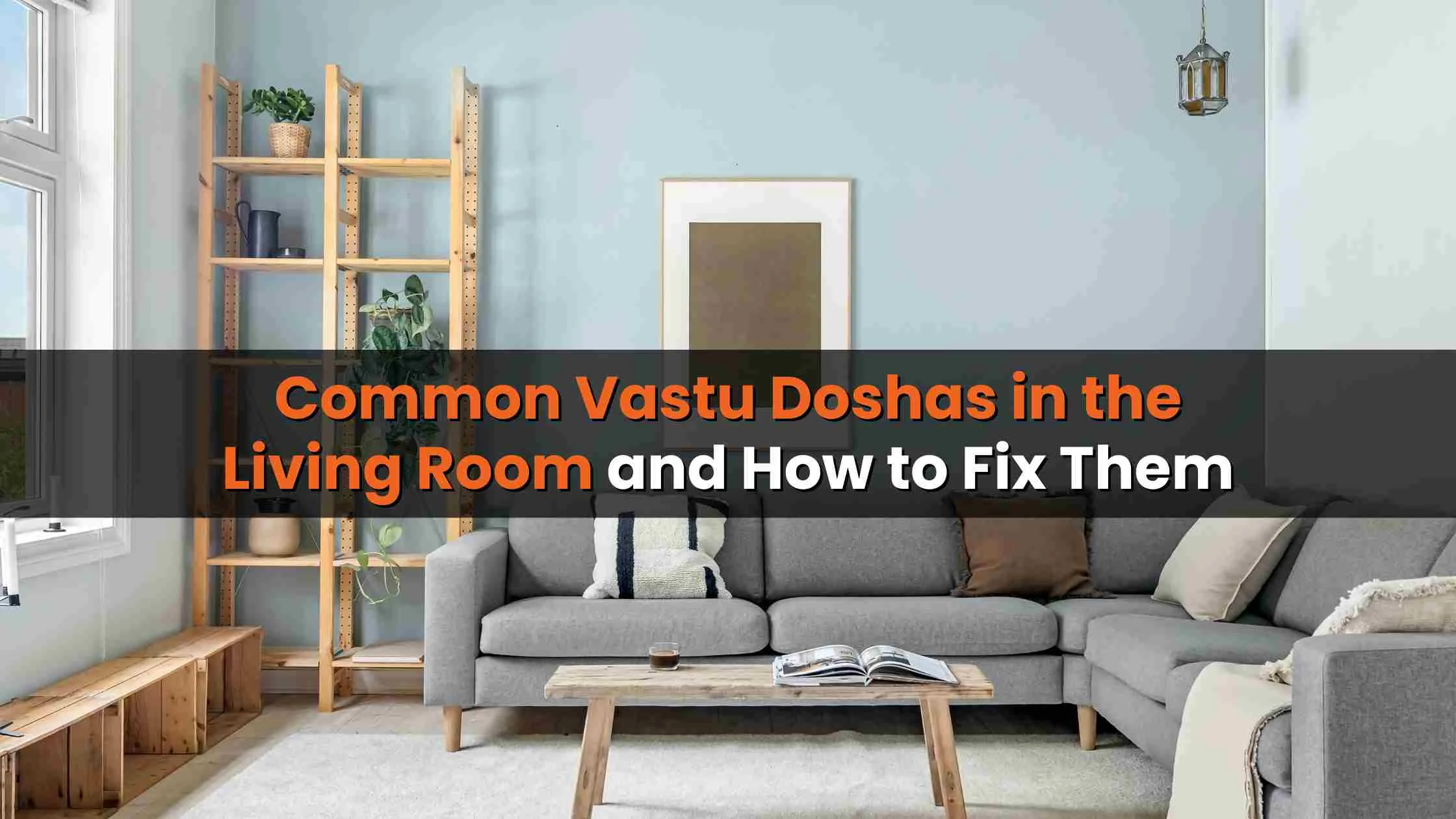
The living room is often considered the heart of a home. It is where family members gather, guests are welcomed, and daily interactions take place. According to Vastu Shastra, where furniture and decor items are positioned throughout a house, as well as where rooms are oriented in relation to each other, will affect how positive energy flows throughout the home. Some people may experience a condition known as a Vastu Dosha; these conditions may result from not following some of the basic principles of Vastu.
Fortunately, many of the issues associated with your living room's Vastu can be rectified without the necessity of making major structural changes and can usually be accomplished using common sense and a practical approach. By identifying each of the most frequently seen problems related to the Vastu in your living room and employing some basic corrective strategies you will be able to create a living room that is more balanced and provides for a harmonious environment that everyone can enjoy together as a family or with your friends and acquaintances.
Why Living Room Vastu Matters
The living room occupies a particular importance in Vastu Shastra that goes beyond its practical function as a shared space. It's the first room guests enter, the space where the family's social life happens, and energetically, it sets the tone for the entire home.
According to the principles of Vastu, the living room plays an important role in social relationships, finances, and providing harmony within the family. Therefore, if it has good energy flow, is not cluttered, and is arranged appropriately, it will provide favourable conditions for obtaining positive results within the home in these areas. On the other hand, when there is poor energy flow in the living room, even if there are small unbalances, over the course of time, the cumulative effect will affect the overall health of the household.
Benefits of a Vastu-Compliant Living Room
- Better flow of positive energy
- Improved family relationships
- Enhanced social interactions
- Greater mental peace
- Balanced and welcoming atmosphere
- Increased prosperity and happiness
Even small adjustments can help improve the energy balance of the space.
Also Read: Vastu Checklist Every Homebuyer Must Complete Before Paying a Token
Common Living Room Vastu Doshas and Their Remedies
Several common mistakes in layout and design can create Vastu imbalances. Here are the most frequently observed doshas and their practical solutions.
1. Living Room Located in the Wrong Direction
According to Vastu, a living room should ideally be situated in either the north, east or northeast areas of a home. Should a home have a living room located in the southwest area, this would create more problems than it would solve due to the nature of both Vastu and the characteristics associated with weight of the south-west region where the master bedroom is located compared to that of the most socially active space.
How to Fix It
- Use light and soothing wall colors.
- Ensure adequate natural lighting.
- Place indoor plants in appropriate corners.
- Keep the room clutter-free.
If relocation is impossible, proper interior adjustments can help reduce negative effects.
2. Heavy Furniture in the Northeast Corner
In Vastu Shastra, the northeast corner, also known as Ishan Kona, is the most spiritually significant corner of a room. This corner is where the most energetic sensitivity exists; therefore clarity, wisdom and positive energy can freely enter your space.
Placing heavy pieces of furniture such as tall bookshelves, bulky storage units or oversized sofas in the northeast corner of a room will block this area from allowing energy to flow freely into your home. Many homeowners will mistakenly place furniture in this area just because they think it makes sense to use this space as they see fit, but they do not recognize that the way in which the furniture is placed will have an effect on energy.
Remedy
- Shift bulky furniture to the southwest or west side.
- Keep the northeast area open and clean.
- Place decorative items or indoor plants instead of heavy units.
This helps maintain energy circulation throughout the room.
3. Incorrect Placement of Television
Television placement is one of those Vastu considerations that feels modern but actually follows the same directional logic as every other principle in the system. The television, like any active electronic appliance that produces heat, light, and electromagnetic energy belongs in the southeast direction according to Vastu, which is the zone associated with fire and active energy.
Placing the television on the northeast wall is the most common mistake. This directly contradicts the principle of keeping that corner open and energetically clear, and introduces a source of noise, heat, and distraction into the room's most sensitive directional zone.
Ideal Placement
- Install the television in the southeast direction.
- Avoid placing it in the northeast corner.
- Keep wires organized and concealed.
Proper placement ensures a cleaner and more balanced environment.
4. Mirrors Facing the Main Entrance
A mirror installed in the main entrance to reflect all that enters and exits through the way of this Doorway would be classified as one of the major defects in Vastu because it energetically represents that anything that enters the home through the Entrance will have positive energy bounced immediately out of the home once it enters through this Doorway.
The energetic logic of this is further supported by several different design philosophies, which identify an entrance creating immediate visual complexity or reflective surface, can subconsciously create an unwelcoming and/or unsettled feeling in the space, regardless of how individually appealing the components.
Remedy
- Move mirrors to the north or east wall.
- Avoid positioning mirrors directly across doors.
- Use decorative wall art instead if relocation is not possible.
This adjustment helps retain positive energy within the home.
5. Dark and Dull Living Room
Getting the light levels just right is one of the many things that are easily overlooked by many when it comes to how to decorate your home. Not only is it an essential aspect of how to create a peaceful and relaxing environment but it has also been shown to have a positive effect on our overall mood, thus creating an atmosphere of clarity and energy. When a living area has poor levels of light, either from natural sources or man-made ones, it creates a heavy and stagnant energy flow that can translate into an uninviting atmosphere.
Generally, there are two main categories of living areas with poor levels of lighting. The first type will typically contain enough natural light (although sometimes blocked by furniture or other structures) yet will not contain enough man-made light. This creates a problem with the energy flow and energy level within the room. The second type is bright (or harshly lit) such as with the use of fluorescent or LED tube lights and/or spotlights. These types of light create an intense glare that detracts from the warmth feel of any area and creates visually uncomfortable environments.
How to Correct It
- Increase natural light whenever possible.
- Use warm LED lighting.
- Choose light-colored curtains.
- Add reflective décor elements.
A bright living room promotes a cheerful and welcoming atmosphere.
Living Room Vastu Dosha and Solutions Comparison
|
Common Vastu Dosha |
Impact on Home |
Recommended Remedy |
|
Heavy furniture in northeast |
Blocks positive energy |
Keep the area open and light |
|
Mirror facing entrance |
Energy reflection |
Relocate mirror to east or north wall |
|
Poor lighting |
Negative ambience |
Improve natural and artificial lighting |
|
TV in northeast corner |
Energy imbalance |
Shift TV to southeast wall |
|
Excess clutter |
Restricts energy flow |
Declutter regularly |
|
Incorrect seating arrangement |
Disturbs harmony |
Arrange seating in south or west |
|
Sharp décor elements |
Creates tension |
Use rounded decorative pieces |
This table offers a quick reference for identifying and correcting common Vastu mistakes.
Also Read: 5 Things You Must Hang on Your Main Door to Attract Positive Energy
Seating Arrangement Mistakes in the Living Room
Furniture placement significantly affects energy flow and social interactions.
Common Seating Doshas
- Main sofa placed in the northeast
- Chairs facing away from each other
- Furniture blocking room movement
- Uneven seating layout
Vastu-Friendly Seating Tips
- Place heavy sofas in the south or west.
- Ensure guests face east or north while seated.
- Maintain open pathways.
- Create balanced seating arrangements.
A well-organized seating layout promotes comfort and positive interactions.
Clutter and Storage Related Vastu Doshas
Clutter is one of the biggest obstacles to positive energy flow in any room.
Signs of Clutter-Related Doshas
- Overfilled shelves
- Unused furniture
- Broken decorative items
- Excessive storage boxes
Simple Solutions
- Remove unused items regularly.
- Repair or discard broken objects.
- Keep storage organized.
- Avoid overcrowding decorative pieces.
Minimalism often aligns well with Vastu principles.
Color Choices That May Create Vastu Imbalance
Colors influence mood and energy. Certain shades may create imbalance when overused.
Colors to Avoid Excessively
- Dark black
- Deep red
- Very dark grey
- Harsh neon shades
Recommended Vastu Colors
- White
- Cream
- Beige
- Light yellow
- Pastel green
- Soft blue
These shades create a calm and welcoming environment.
Decorative Elements That Improve Living Room Vastu
Decor can help neutralize minor Vastu defects while enhancing aesthetics.
Recommended Decorative Items
- Indoor plants
- Fresh flowers
- Nature-themed paintings
- Brass or wooden décor
- Water-themed artwork on north walls
Items to Avoid
- Images depicting violence
- Broken clocks
- Dried flowers
- Sharp-edged decorative pieces
Choosing the right décor helps improve both visual appeal and energy balance.
Entrance Related Living Room Vastu Doshas
Since the living room is often connected to the main entrance, entrance-related issues can influence the room's energy.
Common Entrance Doshas
- Blocked doorway
- Damaged entrance door
- Poor lighting near the entrance
- Shoe racks directly in front of the door
Remedies
- Keep the entrance clean and well-lit.
- Repair damaged doors immediately.
- Position shoe racks away from the main entry.
- Add positive decorative elements near the entrance.
A welcoming entrance sets the tone for the entire home.
Quick Checklist for a Vastu-Compliant Living Room
Before finalizing your living room design, ensure the following:
- Living room located in north, east, or northeast direction
- Heavy furniture placed in south or west
- Good natural and artificial lighting
- Minimal clutter
- TV positioned in southeast
- Mirrors not facing the entrance
- Positive artwork and décor
- Balanced seating arrangement
- Light and soothing wall colors
- Clean and organized entrance area
Following these guidelines can significantly improve the overall energy of the space.
Conclusion
For many people, correcting their Vastu doshas in living rooms will be easier than they had always assumed. Many people believe that the primary source of their living room's problems lies in how their living rooms are furnished. As a rule of thumb, Vastu doshas are rarely caused by any sort of major structural problem; rather, they tend to result from poor lighting or clutter and how furniture is arranged, lack of space, mirrors being positioned incorrectly, etc.
Homeowners can enhance the inviting feel of their living room, such as rearranging furniture, enhancing lighting, choosing colors that are pleasing to the eye, and maintaining a level of tidiness appropriate to the space. While the ideal living room for Vastu practitioners may share similar characteristics with traditional spiritual philosophies, a Vastu-compliant living room is equally important when creating a pleasant experience for anyone who enters or occupies the area.








Ans 1. A Vastu Dosha is an imbalance or defect in the spatial arrangement, orientation, or design of a room that disrupts the natural flow of positive energy according to Vastu Shastra principles. In the living room specifically, common doshas arise from incorrect furniture placement, poor lighting, mirror positioning, clutter, or the room's directional location within the home. These imbalances are believed to affect family relationships, financial wellbeing, social harmony, and the general sense of peace and comfort experienced by people living in the house.
Ans 2. According to Vastu Shastra, the ideal directions for a living room are the north, east, or northeast quadrant of the home. These orientations receive favourable morning sunlight, benefit from natural energy flow, and align with the directional associations Vastu attributes to social and public spaces. A living room in the southwest is considered less ideal and may require compensating adjustments such as lighter colours, better lighting, and careful furniture placement to minimise the directional imbalance.
Ans 3. The main sofa or the heaviest seating unit in the living room should be placed along the south or west wall according to Vastu principles. These directions are associated with stability and grounding, qualities that align naturally with heavy furniture. The northeast corner should be kept clear of heavy pieces. Seating should ideally be arranged so that the family members and primary occupants face east or north while seated, as these are considered auspicious directions for sitting in a social space.
Ans 4. A mirror placed directly opposite the main entrance is considered a significant Vastu dosha because it is believed to reflect positive energy back out of the home the moment it enters. Energetically, this creates a condition where the household continually loses the beneficial energy associated with visitors, opportunities, and prosperity. The recommended remedy is to relocate the mirror to the north or east wall, where it reflects and amplifies the positive energy associated with those directions rather than bouncing it outward through the entrance.
Ans 5. Vastu Shastra recommends avoiding excessively dark or harsh colours in the living room. Colours to use with restraint include very dark black or charcoal as dominant wall tones, deep red in large quantities, very dark grey as the primary colour scheme, and bright neon or synthetic-looking shades. These colours are considered to create heaviness, agitation, or energetic imbalance in a social space. The recommended alternatives are light, warm, and neutral tones such as white, cream, warm beige, light yellow, pastel green, and soft blue.
Ans 6. No, placing the television in the northeast corner is considered one of the more significant living room Vastu doshas. The northeast is regarded as the most spiritually sensitive and energetically important corner of any room, and introducing an active electronic device with heat, light, and electromagnetic output into this zone is believed to disrupt its energy quality. The Vastu-recommended placement for the television is on the southeast wall, which aligns with the directional zone associated with fire and active energy.
Ans 7. Clutter disrupts the circulation of positive energy through a space according to Vastu principles. When a living room is filled with unused furniture, overpacked shelves, broken decorative items, or accumulated objects that don't serve a clear function, energy cannot flow freely, it stagnates around these obstructions. The practical effects include the room feeling heavier, more anxious, and less welcoming than it should. Regular decluttering, repairing or discarding broken objects, and maintaining organised storage are among the most effective and immediately impactful Vastu corrections available for any living room.
Ans 8. Living indoor plants are considered Vastu-supportive decorative elements that bring natural energy, freshness, and positive vitality into the living room. Plants with rounded or heart-shaped leaves are generally preferred over sharp or spiky varieties. Placement in the north or east corners of the living room is recommended to align with the directional energy of those zones. Plants like money plant, peace lily, bamboo, and pothos are commonly recommended. Thorny plants such as cacti should be avoided inside the living room according to Vastu guidelines, as their pointed structure is associated with discord.
Ans 9. Yes, in the vast majority of cases. Most living room Vastu doshas arise from furniture placement, lighting choices, mirror positioning, colour selection, clutter, and decorative decisions, all of which can be addressed through rearrangement and adjustment rather than structural renovation. The exceptions are doshas related to the room's directional position within the overall floor plan, which cannot be changed without a major redesign. However, even directional placement doshas can be significantly mitigated through compensating interior adjustments such as lighting, colour, and spatial management.
Ans 10. Vastu Shastra places significant emphasis on the emotional and symbolic content of artwork displayed in the living room. Artwork depicting violence, warfare, predatory animals, human suffering, or distressing scenes is considered Vastu-unfavourable regardless of its artistic quality, as it introduces negative imagery into the home's primary social space. Stopped or broken clocks are also considered inauspicious as they symbolise stagnation. Recommended alternatives include nature landscapes, flowing water scenes, birds in flight, sunrise imagery, and artwork depicting abundance, growth, or positive human connection.