
✦ AI Summary
Table of Content
▲- Why Was the G+4 Construction Ban Imposed?
- What Has KMC Allowed Now?
- Construction Status Before vs After the Decision
- Relief for Homebuyers
- Impact on Builders and Developers
- Safety Remains the Priority
- Why This Matters for Kolkata Real Estate
- What Buyers Should Check Before Investing
- Challenges That Still Remain
- Conclusion
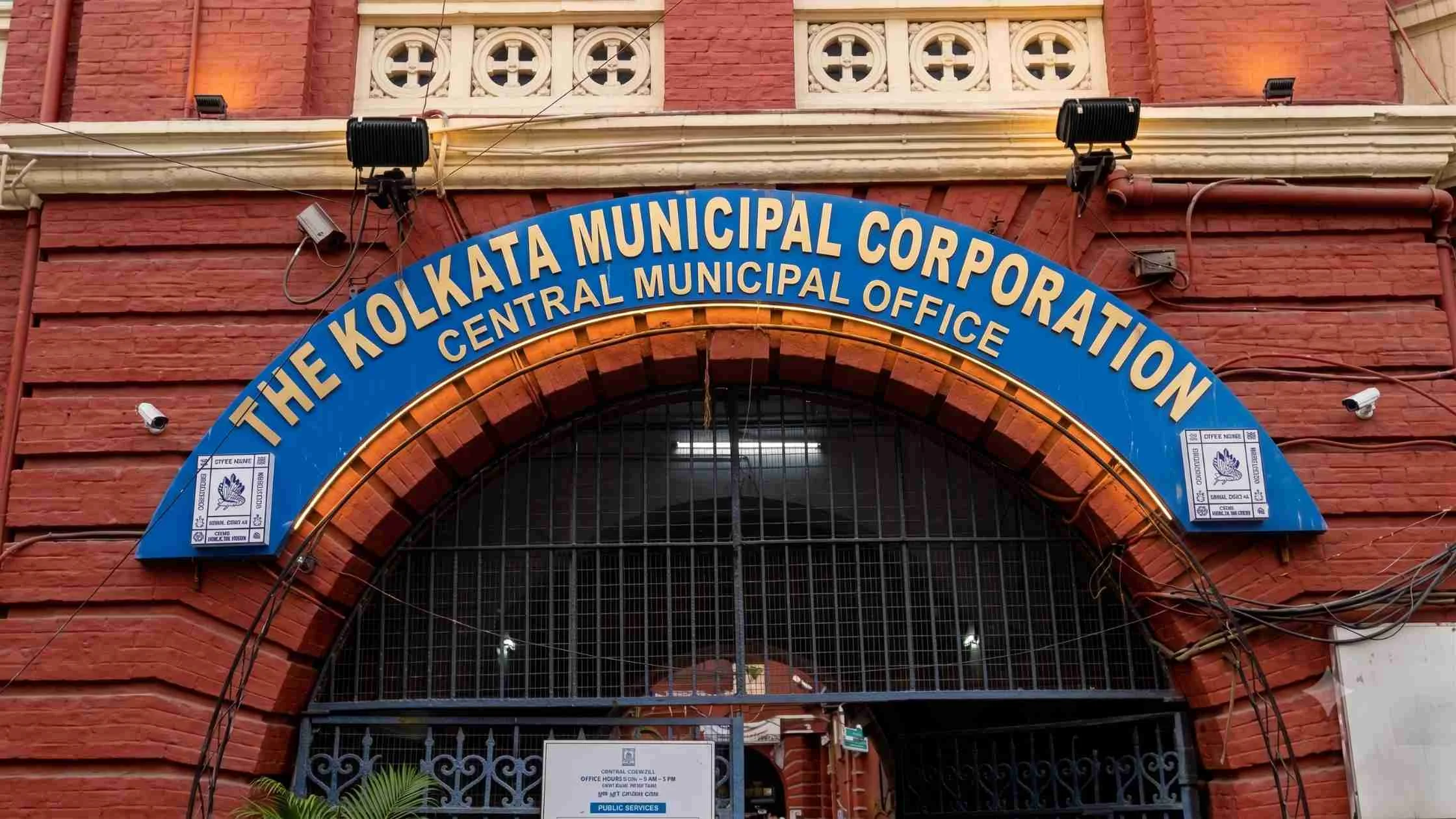
The Kolkata Municipal Corporation (KMC) has officially resumed construction activity for G+4 buildings across the city, providing significant relief to homebuyers, builders, contractors, and the real estate sector. The decision follows a temporary suspension imposed after concerns over building safety and structural compliance.
Along with allowing G+4 projects to continue, the civic body has also prioritised safety-critical work in high-rise buildings, ensuring that stalled projects can complete essential structural and safety-related activities. This move is expected to revive construction activity, improve project timelines, and restore confidence in Kolkata's residential market while maintaining stricter safety oversight.
Why Was the G+4 Construction Ban Imposed?
The Kolkata Municipal Corporation has announced a temporary halt on construction projects involving G+4 buildings following safety issues pointing to the structural integrity and regulatory compliance of G+4 buildings in various parts of the city.
However, this suspension is not uniform as it depends on the nature and size of the project; it applies only to some developers who are involved in this category of projects. The decision to impose this restriction has been prompted by the realization that some construction is not following the available guidelines on technical inspections or safety issues. This will help the civic authorities identify other areas where there are compliance-related concerns.
The suspension primarily affected:
- G+4 residential buildings
- Ongoing mid-rise projects
- Certain construction permissions under review
- Developments requiring additional safety checks
During the review period, many builders faced delays in construction schedules and project deliveries.
Also Read: Kolkata Circle Rates: Complete Guide For Buying and Selling Property
What Has KMC Allowed Now?
The Kolkata Municipal Corporation has officially lifted the suspension and permitted resumption of G+4 construction activity across the city. Alongside this, the civic authority has also specifically allowed safety-critical work in high-rise buildings to proceed recognising that stalled structural and safety installations in taller buildings created risks of their own that couldn't be addressed while work was paused.
The permission to resume is conditional construction must proceed in compliance with approved building plans and safety norms. This isn't a clean slate that erases the compliance concerns that triggered the suspension; it's a return to supervised activity with stricter monitoring than existed before.
Key Activities Allowed
- G+4 residential construction
- Structural repair work
- Fire safety installations
- Waterproofing and finishing work
- Stability-related construction
- Critical high-rise safety measures
Construction Status Before vs After the Decision
|
Aspect |
Before Decision |
After Decision |
|
G+4 Construction |
Suspended |
Resumed |
|
High-Rise Safety Work |
Restricted |
Allowed |
|
Project Timelines |
Delayed |
Expected to Improve |
|
Builder Activity |
Limited |
Reviving |
|
Buyer Sentiment |
Uncertain |
Improving |
|
Safety Oversight |
Under Review |
Stricter Monitoring |
Relief for Homebuyers
The decision is particularly important for buyers who had booked apartments in under-construction projects. Many projects had experienced delays due to the suspension.
Benefits for buyers include:
- Faster construction progress
- Reduced uncertainty
- Better visibility on possession timelines
- Continued work on safety systems
- Improved confidence in approved projects
For families waiting for possession, the resumption of work is a positive development.
Impact on Builders and Developers
The construction pause had affected cash flows, labour deployment, and project scheduling. Builders are expected to restart work across affected sites gradually.
Developers may now focus on:
- Completing pending construction
- Accelerating structural work
- Meeting RERA timelines
- Restoring labour and contractor activity
- Managing buyer expectations
However, compliance requirements are expected to remain strict.
Safety Remains the Priority
KMC has clarified that the resumption of construction does not mean relaxation of safety standards. Authorities are expected to continue monitoring projects for structural and regulatory compliance.
Key Safety Areas
- Structural stability
- Fire safety provisions
- Approved building plans
- Quality of construction materials
- Site safety measures
- Engineering supervision
Projects that fail to meet prescribed norms may still face action.
Why This Matters for Kolkata Real Estate
Kolkata's residential market has historically been characterised by steady, demand-led growth focused on affordable and mid-segment housing rather than the ultra-luxury concentration that defines some other Indian metro markets. The city has a large base of working professionals, government employees, teachers, healthcare workers, and small business owners who form a consistent and substantial buyer pool for mid-range residential projects, the exact segment that G+4 developments serve most directly.
The resumption could support:
- Housing supply
- Construction employment
- Material demand
- Local contractor activity
- Buyer confidence
- Project completion rates
For the broader economy, construction activity generates employment across multiple sectors.
Also Read: How to Pay Property Tax in Kolkata: Complete Step-by-Step Guide
What Buyers Should Check Before Investing
Even with construction resuming, buyers should conduct proper due diligence before booking any property.
- KMC building approval verification is the starting point. Confirm that the specific project you're buying in has valid, current KMC building approval for the floors being constructed. Approved plans should match what's actually being built — any deviation from the approved plan remains a compliance issue regardless of the ban being lifted.
- RERA registration should be verified directly on the West Bengal RERA portal for any project that was registered. Check the registration details including committed possession timeline and any extension notices that may have been filed. The suspension period may have resulted in RERA extension filings that change the committed possession date.
- Physical site visit is strongly recommended for buyers who haven't visited recently. The construction status on the ground after a suspension can vary significantly, some projects may have resumed actively while others are still working through compliance requirements before restarting. Seeing the current state of the project directly gives you information that no marketing material provides.
- Safety compliance status for the specific project whether fire safety systems, structural stability reports, and required engineering oversight are in place should be asked about explicitly and documented in writing from the developer rather than accepted as a verbal assurance.
- The developer's track record on delivery and compliance is particularly relevant in a post-suspension environment. Ask specifically about what compliance actions the developer took during the review period and whether any notices were issued by KMC regarding their projects.
- Updated possession timelines should be obtained in writing given that the suspension will have affected virtually every ongoing project's original schedule. Understand the revised commitment and the basis for it before making financial decisions around possession timing.
These checks help reduce risk and improve purchase decisions.
Challenges That Still Remain
Even with the ban lifted, the market's return to full operating normalcy won't be immediate. Several challenges will play out over the coming weeks and months that buyers and developers should be realistic about.
Labour redeployment takes time, workers who left construction sites during the suspension and found work elsewhere don't immediately return when work resumes. Some skilled trades face genuine scarcity in certain periods, and reactivating a full construction workforce on previously stalled sites takes several weeks of active effort.
Construction cost inflation has continued during the suspension period. Material costs, particularly structural steel and cement, have moved since projects were last active, which affects project economics and in some cases may require renegotiation of contractor agreements before work can resume at full pace.
Compliance-related delays for projects that still have outstanding items from the KMC review process will mean that not every project restarts simultaneously. Projects with clear compliance documentation will restart sooner; those still working through regulatory requirements will take longer.
Approval processing timelines for projects that need updated or revised permissions from KMC before resuming work add administrative time to construction restart even where there's full intention and capability to proceed.
Conclusion
The decision of the Kolkata Municipal Corporation to restart G+4 construction and allow safety-critical high-rise construction is a big relief to home buyers and developers. With the recommencement of construction works in Kolkata, safety compliance and oversight of the structure is still of utmost importance. For the buyers, this decision raises their confidence in ongoing projects and may help in minimizing delays in possession. For the real estate sector, the decision is also a great step in restoring momentum.


Ans 1. The Kolkata Municipal Corporation imposed a temporary suspension on G+4 building construction following concerns about building safety, structural quality, and regulatory compliance in certain ongoing projects across the city. Authorities initiated a review to ensure that construction was adhering to approved engineering designs, structural norms, and safety standards. The suspension allowed time for assessment and corrective action before permitting further construction to proceed.
Ans 2. KMC has permitted resumption of G+4 residential construction activity across Kolkata, subject to compliance with approved building plans and safety norms. Alongside this, the civic body has specifically allowed safety-critical work to continue in high-rise buildings, recognising that certain structural and safety system installations in taller buildings needed to proceed. The permitted activities include G+4 residential construction, structural repair work, fire safety installations, waterproofing and finishing, stability-related construction, and critical safety measures in high-rise projects.
Ans 3. For homebuyers who had booked apartments in G+4 projects that were stalled by the suspension, the lifting of the ban provides direct relief. Construction progress on their projects can resume, improving the reliability of possession timelines that had become uncertain during the pause. Safety system installations can now be completed, which improves the buildings being delivered. Buyers can expect developers to provide updated possession timeline commitments as construction restarts, and overall confidence in project completion has been restored.
Ans 4. No, KMC has explicitly clarified that the resumption of G+4 construction does not mean a relaxation of safety standards. The construction ban is lifted for projects that comply with approved plans and safety norms, and the civic body has committed to continuing structural and regulatory compliance monitoring at an elevated level. Projects that fail to meet prescribed safety requirements remain at risk of regulatory action. The heightened oversight environment is a permanent feature of the post-suspension context, not a temporary phase.
Ans 5. Before booking or resuming payments in a Kolkata G+4 project, buyers should verify that the specific project has valid and current KMC building approval for the floors under construction. RERA registration should be confirmed directly on the West Bengal RERA portal with a review of committed possession timelines and any extension filings. A physical site visit to assess actual construction status is advisable. Safety compliance including fire safety systems and structural stability documentation should be confirmed in writing from the developer. Updated possession timelines should also be obtained in writing given the disruption caused by the suspension.
Ans 6. G+4 buildings ground floor plus four storeys represent the dominant format for affordable and mid-segment residential development in Kolkata. They account for a substantial portion of the city's residential supply, particularly in older neighbourhoods and outer areas where this mid-rise format is the norm. These projects serve the large middle-income buyer segment of salaried professionals, small business owners, and families moving from rental to ownership. The suspension therefore affected a broad cross-section of Kolkata's housing market rather than a narrow luxury segment, which is why its lifting has significant citywide implications.
Ans 7. The resumption permits construction to progress after the suspension period, which directly improves possession timeline prospects for projects that had been stalled. However, the recovery won't be immediate, it takes time to redeploy labour, restart contractor activities, and work through any remaining compliance requirements on specific sites. Buyers should request updated possession commitments from their developer in writing after construction restarts and build in some personal financial flexibility around the revised timeline rather than assuming the original commitment will be met exactly.
Ans 8. The resumption of G+4 construction is unlikely to have an immediate dramatic impact on property prices but should contribute to improved market sentiment and transaction activity over the coming months. Pent-up buyer interest that had been cautious during the suspension period may convert into bookings as confidence returns. Increased supply from projects completing during the resumption period will help moderate any price pressure from demand exceeding available inventory. The more significant price impact will likely be in the medium term as improved delivery credibility and buyer confidence translate into healthier transaction volumes.
Ans 9. Developers resuming G+4 construction after the ban must comply with KMC's approved building plans for their specific project without unauthorised deviations, maintain structural safety standards including proper engineering supervision, implement required fire safety provisions, use construction materials meeting specification requirements, maintain site safety standards for workers and adjacent properties, and submit to KMC's ongoing monitoring and inspection. Projects that have any outstanding compliance items from the review period should address these before or concurrent with resuming construction to avoid further regulatory action.
Ans 10. Buying a RERA-registered, KMC-approved G+4 project from a developer with a solid compliance record is reasonable with appropriate due diligence. The suspension and subsequent heightened monitoring environment has, if anything, improved the regulatory accountability framework that protects buyers, KMC is now monitoring construction more closely than before, which benefits buyers who want their apartments built safely and to approved specifications. The due diligence requirements remain the same: verify approvals, visit the site, check RERA registration, confirm developer track record, and get clear written commitments on possession timelines.