
✦ AI Summary
Table of Content
▲- Why Property Registration Revenue Matters
- Indore Emerges as a Real Estate Growth Leader
- Property Registration Revenue Performance
- Key Areas Contributing to Registration Growth
- Infrastructure Development Supporting Real Estate Growth
- Indore Compared with Other Major Cities
- Benefits of Rising Property Registration Revenue
- Why Investors Are Focusing on Indore
- Future Outlook for Indore Real Estate
- Challenges to Monitor
- Conclusion
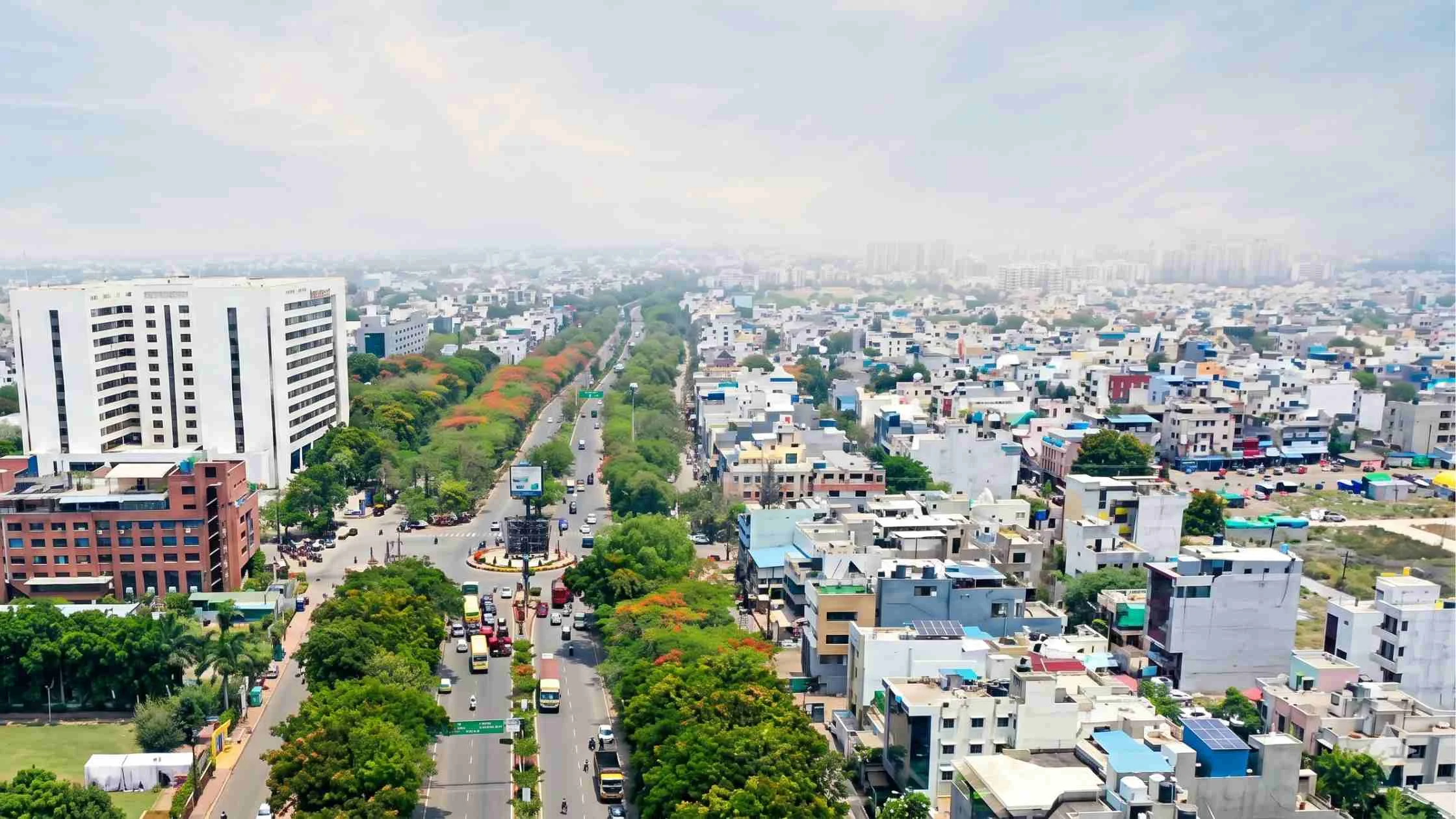
Indore’s reputation as one of the fastest-growing real estate markets in India has just been strengthened once again with another important milestone being reached. Indore has achieved the highest revenue growth in property registrations throughout Madhya Pradesh, demonstrating both the strength of its housing market, the increasing number of property transactions and the development of more urbanised infrastructure.
There is an increase in the price of registrations, driven by increasing buyer confidence, growing residential demand, and strong investment activity in key micro-markets of Indore. Property registrations are now a key indicator of the economic and real estate development within the area due to ongoing infrastructure projects and urban growth and development in Indore.
Why Property Registration Revenue Matters
Property registration revenue is generated through stamp duty and registration charges paid during property transactions. It serves as a key indicator of activity within the real estate sector and reflects the overall health of a city's property market.
In Madhya Pradesh, where multiple cities are at different stages of real estate market development, Indore's position at the top of registration revenue growth confirms that the city isn't just generating project launches and price appreciation; it's generating real transactions at volume. The underlying demand that drives those transactions is what makes the growth sustainable rather than speculative.
Higher registration revenue generally indicates:
- Increased transaction volume more buyers completing purchases, not just browsing
- Rising property values since stamp duty is typically a percentage of transaction value, higher values generate proportionally more revenue
- Growing investor confidence commit capital when they expect returns, and their participation in registrations indicates confidence in future appreciation
- Expanding urbanisation new suburban corridors and township developments are bringing previously undeveloped land into the formal property market
For policymakers and developers, registration revenue offers valuable insights into market trends and future growth potential.
Also Read: Omaxe Group Secures ₹75 Crore from WSB Partners for Tier II Real Estate Plots in Indore and Ujjain
Indore Emerges as a Real Estate Growth Leader
Over the last decade, Indore has consistently ranked among India's best-performing cities in terms of urban development, infrastructure improvements, and quality of life. The city's strong economic base and planned growth have contributed significantly to its real estate expansion.
Key Factors Driving Growth
Several factors have supported Indore's property market growth:
- Rapid infrastructure development
- Expansion of residential townships
- Growth of IT and industrial sectors
- Improved road connectivity
- Smart City initiatives
- Rising employment opportunities
- Increased migration from nearby regions
As a result, both residential and commercial property demand have witnessed steady growth.
Property Registration Revenue Performance
Recent registration data highlights Indore's strong position within Madhya Pradesh's property market.
Major Revenue Drivers
The increase in revenue has been supported by:
- Strong residential sales
- Rising demand for plotted developments
- Growth in premium housing projects
- Increased property valuations
- Higher registration volumes
- Expansion of suburban housing corridors
The city's real estate ecosystem has benefited from a balanced mix of end-user demand and investor participation.
Key Areas Contributing to Registration Growth
Registration volumes aren't uniformly distributed across Indore, they're concentrated in corridors where the combination of connectivity improvement, social infrastructure development, and developer activity has created the conditions for sustained transaction activity. The areas contributing most significantly to Indore's registration growth reflect where real demand is converting to completed transactions:
Popular Residential Corridors
Some of the most active real estate destinations include:
- Super Corridor Indore's single most discussed real estate corridor, where IT campuses, educational institutions, and the metro connectivity proposal have combined to create sustained demand from working professionals and investors. The corridor has appreciated significantly over the past several years but retains appreciation potential as infrastructure continues maturing.
- Ujjain Road and MR-10 Corridor established residential corridors where broader market growth and improving infrastructure have sustained transaction volumes at healthy levels for homebuyers at a range of price points.
- Bypass Road and AB Road among Indore's more established residential arteries, where social infrastructure is already in place and transactions represent a mix of upgrade buyers, investors, and families seeking well-connected addresses with complete amenities.
- Rau, Nipania, and Talawali Chanda emerging suburban growth zones where affordability relative to the city's more central areas attracts first-time buyers and investors seeking stronger appreciation potential from earlier-stage corridors.
These areas continue to attract buyers due to better connectivity, social infrastructure, and future growth prospects.
Demand Across Housing Segments
Property registrations have increased across multiple categories:
- Affordable housing
- Mid-segment apartments
- Premium residential projects
- Independent houses
- Plotted developments
- Integrated townships
This broad-based demand has strengthened overall market performance.
Infrastructure Development Supporting Real Estate Growth
Infrastructure remains one of the biggest contributors to Indore's property market success.
Major Development Projects
Several ongoing and completed projects have improved connectivity and livability:
- Smart City development initiatives
- Road widening projects
- Metro rail development
- New residential townships
- Improved public transportation
- Commercial business hubs
- Industrial corridor expansion
These improvements have increased the attractiveness of surrounding residential areas and supported higher property registrations.
Indore Compared with Other Major Cities
The city's performance becomes even more impressive when compared with several emerging urban centers.
|
Factor |
Indore |
Emerging Tier 2 Cities |
|
Property Demand |
High |
Moderate |
|
Registration Growth |
Strong |
Varies |
|
Infrastructure Development |
Rapid |
Developing |
|
Investor Interest |
High |
Moderate |
|
Housing Supply |
Expanding |
Limited |
|
Employment Opportunities |
Strong |
Growing |
|
Urban Planning |
Advanced |
Evolving |
The comparison highlights why Indore continues to attract both homebuyers and real estate investors.
Also Read: 7 Posh Areas in Indore for an Upscale Living Experience
Benefits of Rising Property Registration Revenue
Higher registration revenue benefits multiple stakeholders across the real estate ecosystem.
Benefits for Government
- Increased tax collection
- Higher public infrastructure funding
- Better urban planning resources
- Improved municipal development
Benefits for Homebuyers
- Improved infrastructure
- Better public services
- Increased property value appreciation
- Greater confidence in market stability
Benefits for Developers
- Stronger sales momentum
- Increased project viability
- Better investment opportunities
- Greater access to funding
A healthy registration market creates a positive cycle that supports long-term urban growth.
Why Investors Are Focusing on Indore
The city's property prices remain meaningfully more affordable than comparable quality of infrastructure and employment fundamentals would imply in a metro context which is the fundamental source of appreciation potential. As Indore's economy continues growing and its infrastructure continues improving, the price differential between Indore and metros with comparable lifestyle quality should narrow further.
Key Investment Advantages
- Consistent property appreciation
- Growing population base
- Expanding business ecosystem
- Infrastructure-led growth
- Strong rental demand
- Affordable entry prices compared to metros
- Government-backed urban development
The combination of affordability and growth potential continues to attract long-term investors.
Future Outlook for Indore Real Estate
The future of Indore's property market remains highly positive. Several factors are expected to support continued growth over the next few years.
Growth Catalysts
- Expansion of metro connectivity
- New industrial investments
- Rising housing demand
- Smart City initiatives
- Growth of commercial corridors
- Increased urbanization
- Higher disposable incomes
As these factors converge, property transactions and registration revenue are expected to remain on an upward trajectory.
Challenges to Monitor
Despite strong growth, stakeholders should remain aware of potential challenges.
Areas Requiring Attention
- Infrastructure pace versus population growth rapid urbanisation places pressure on civic infrastructure including water supply, drainage, and road capacity. Maintaining the infrastructure quality that differentiates Indore from less well-governed cities requires sustained investment that must keep pace with growth.
- Affordable housing supply as premium and mid-segment supply expands, ensuring that genuinely affordable housing options remain available for the working-class and lower-income households that are part of Indore's population mix is an equity and sustainability consideration.
- Traffic and urban congestion management as property development continues along suburban corridors, the road infrastructure supporting daily movement needs to evolve proportionally.
Addressing these issues will be important for maintaining long-term market stability.
Conclusion
The fact that Indore has achieved such an impressive amount of revenue through property registrations is indicative of how far the city has come as a leading real estate market in India. Factors including the continued strength of residential demand; growth in infrastructure; investor confidence; and proper planning for urban development have all played a part in this success.
Indore’s large-scale infrastructure projects along with an ongoing increase in the number of homes being built will contribute to the local real estate market remaining strong over the next few years. As time goes, there will be more opportunities for homebuyers, investors, and developers to take advantage of the rapidly developing real estate market in one of India’s fastest-growing cities. Indore is becoming a top centre for real estate growth in India because of the increase in registration revenue.

Ans 1. Indore has recorded the highest property registration revenue in Madhya Pradesh due to a combination of structural market strengths strong residential demand from multiple buyer segments, rapid infrastructure development including Smart City initiatives and metro rail, a diversified employment base across IT, industrial, and services sectors, migration-driven population growth from surrounding regions, and sustained investor confidence in the city's appreciation trajectory. Registration revenue reflects completed transactions rather than project launches or sentiment, making it the most reliable indicator that Indore's property market growth is fundamental rather than speculative.
Ans 2. The most active real estate investment areas in Indore in 2026 include the Super Corridor where IT campuses and metro connectivity proposal are driving sustained demand, MR-10 Corridor and Ujjain Road for established residential investment, Bypass Road and AB Road for well-connected mid-premium options, and emerging suburban areas including Rau, Nipania, and Talawali Chanda for buyers seeking stronger appreciation potential from earlier-stage corridors at more accessible entry prices. The best specific location depends on investment timeline, budget, and whether the priority is rental income or capital appreciation.
Ans 3. Indore's real estate growth is driven by several converging factors. Rapid infrastructure investment including Smart City development, road improvement, and metro rail has improved urban quality and connectivity. Employment base diversification across IT parks, industrial corridors, and commercial sectors has broadened housing demand beyond any single industry. Consistent migration from the broader Malwa region sustains demand across all housing price points. Urban governance quality — evidenced by the city's Clean City rankings and planned development approach makes Indore attractive for serious long-term residential investment. And relatively affordable pricing compared to comparable metro quality creates genuine appreciation potential.
Ans 4. Yes, Indore presents a credible real estate investment case in 2026 based on documented market fundamentals. The city leads Madhya Pradesh in property registration revenue growth, confirming genuine transaction demand rather than speculative interest. Infrastructure investment including metro development and Smart City initiatives continues improving fundamentals. Employment diversification provides demand stability across economic cycles. Strong rental demand from professionals, students, and migrants ensures investment properties generate income. And price levels remain more affordable than comparably growing cities in Maharashtra and Karnataka, offering a meaningful appreciation runway. Individual investment decisions should be based on specific location, property type, and personal financial circumstances.
Ans 5. The Super Corridor is Indore's most discussed and most actively invested real estate destination, anchored by IT campuses including TCS and Infosys that have established technology employment in the city. The corridor combines IT sector employment that creates professional housing demand, educational institutions that attract students and faculty requiring accommodation, proposed metro connectivity that will further improve access from across the city, and availability of both plotted developments and apartment projects across price points. Property prices along the Super Corridor have appreciated significantly over recent years but retain further appreciation potential as the metro proposal advances and the corridor's employment base continues growing.
Ans 6. Indore compares favourably to most Tier 2 Indian cities for real estate investment across several key dimensions. Governance quality reflected in consistent Smart City performance and infrastructure delivery is above average for Indian Tier 2 markets. Employment diversification across IT, industrial, and commercial sectors provides demand stability that single-industry cities lack. Urban planning quality creates development patterns that support long-term residential value rather than ad hoc sprawl. Infrastructure investment pace has been rapid and multi-dimensional compared to most comparable cities. And transaction depth across multiple housing segments and price points gives the market the liquidity that makes entry and exit timing more flexible for investors.
Ans 7. Key infrastructure projects supporting Indore's real estate growth include the metro rail development that will improve public transit connectivity across the city's main corridors, Smart City initiative implementations including road improvements, public space upgrades, and digital infrastructure, industrial corridor expansion attracting manufacturing and logistics investment and creating employment-driven housing demand, commercial business hub development in the city's growth zones, and road widening and connectivity improvement projects that reduce commute times between residential corridors and employment zones. Each infrastructure improvement incrementally improves the city's residential attractiveness and supports property value appreciation in served corridors.
Ans 8. Indore's property market shows active demand across multiple housing categories. Plotted developments attract the largest share of buyer interest, particularly in suburban corridors like Rau, Nipania, and Talawali Chanda, where land ownership is preferred for long-term investment. Affordable and mid-segment apartments serve the growing professional and migrant worker population that represents the broadest demand base. Premium residential projects targeting upper-middle and high-net-worth buyers are gaining market share as Indore's wealth base expands. Integrated townships offering comprehensive lifestyle infrastructure have strong end-user demand from families seeking complete residential communities.
Ans 9. Property registration revenue is one of the most reliable indicators of real estate market health because it measures completed transactions rather than project announcements, advertised prices, or buyer enquiries. Stamp duty and registration charges are only collected when a property transaction is actually completed and legally recorded making the data manipulation-proof compared to metrics that rely on developer reporting. Rising registration revenue confirms that buyers are completing transactions at current price levels, that market liquidity is sufficient to convert buyer interest into completed deals, and that the value base supporting transactions is genuine rather than aspirational.
Ans 10. Indore's Smart City designation has affected its property market through both direct infrastructure improvement and the indirect signal effect of demonstrating governance quality. Direct improvements including road development, public space upgrades, and civic infrastructure enhancement have improved the city's liveability and the residential environment in ways that buyers value and factor into location decisions. The indirect signal that Indore's municipal administration can deliver on complex, multi-year initiatives builds buyer and developer confidence in a way that poorly governed cities find difficult to replicate. Smart City classification also attracts additional government investment that further improves urban infrastructure over time.