
✦ AI Summary
Table of Content
▲- Why DLF Remains Confident About Future Growth
- Residential Real Estate Continues to Drive Demand
- DLF's Commercial Portfolio Remains a Key Strength
- Growth of GCCs Is Supporting Office Demand
- DLF's Residential and Commercial Growth Strategy
- Residential vs Commercial Real Estate Growth Drivers
- Macroeconomic Risks Remain on DLF's Radar
- Why Investors Continue to Prefer DLF
- Opportunities for Homebuyers and Investors
- Future Outlook
- Final Thoughts
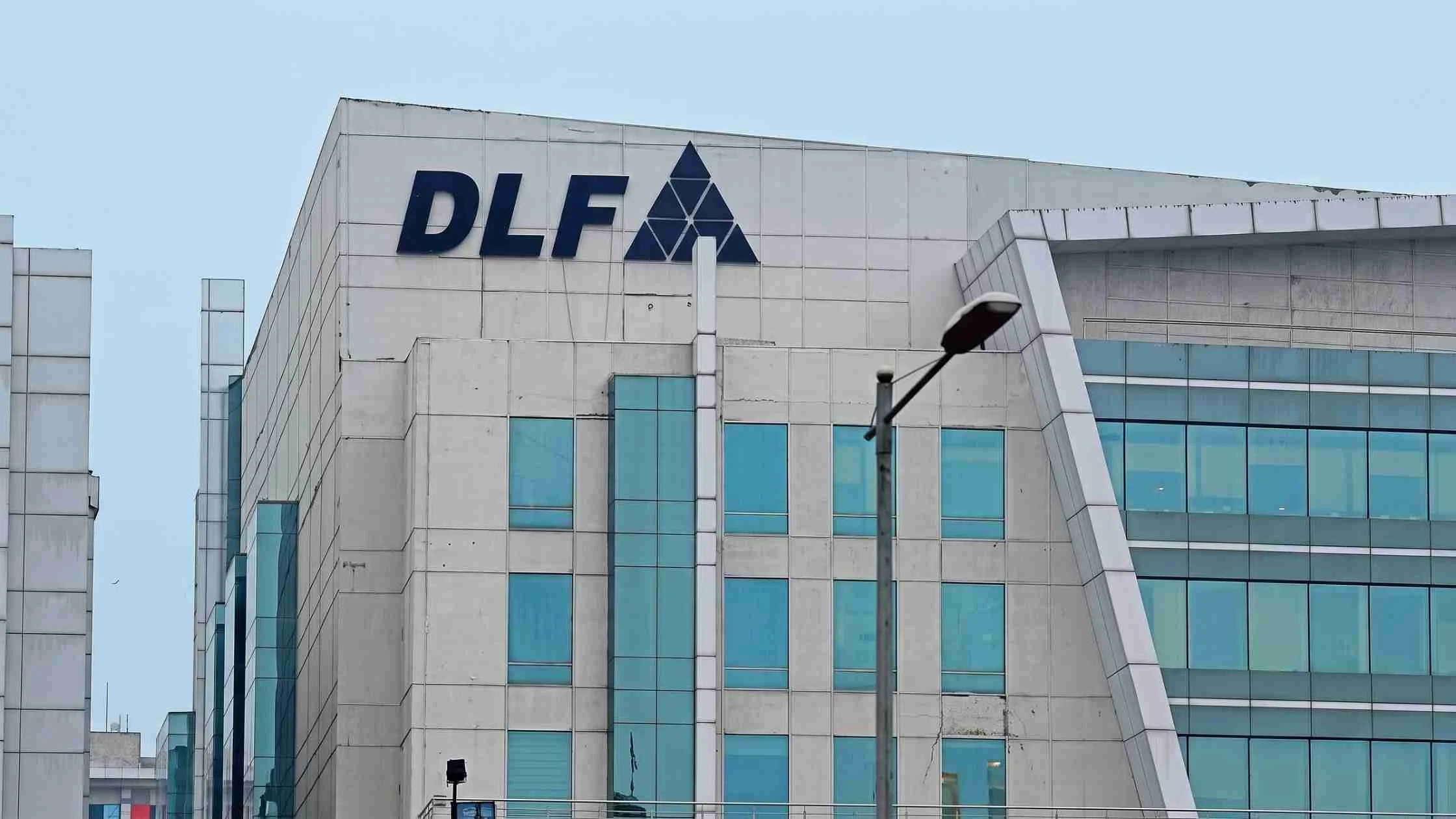
As India’s biggest real estate company, DLF is standing by its strategy of growth and moving forward with its plans of expansion within the industry. The chairman of DLF, Rajiv Singh, mentioned the need to observe the condition of the global economy and the state of the local market while sharing his views about the solid position of the real estate market in India.
The company arrives at this opinion at a time when there is high demand for high-class properties, Grade A offices, and mixed-use properties in all cities in India. With its new real estate projects and solid financial standing, DLF is ready for its expansion.
Why DLF Remains Confident About Future Growth
Over the past several years, India's real estate market has genuinely transformed. Rising incomes, steadily improving infrastructure, and shifting buyer expectations have pushed up demand across both housing and commercial real estate simultaneously, rather than one segment carrying the market while the other lags.
DLF's leadership has been fairly explicit that the underlying fundamentals supporting this growth remain intact, even with global economic uncertainty hanging in the background.
Key Growth Drivers for DLF
- Strong demand for premium and luxury housing
- Rising office leasing activity across major cities
- Growth of Global Capability Centers (GCCs)
- Infrastructure development across NCR and other regions
- Increasing urbanization and housing demand
- Stable interest in Grade A commercial assets
- Expanding rental income opportunities
The company has generally tried to maintain a balanced posture here pushing genuinely aggressive expansion plans while still keeping a close watch on the broader economic signals that could shift market sentiment.
Also Read: DLF's ₹20,000 Crore Bet: How India's Biggest Realtor Is Rewriting Luxury Real Estate
Residential Real Estate Continues to Drive Demand
Housing demand remains one of the central pillars of DLF's overall strategy, and the company's recent numbers back that up in a fairly dramatic way. FY25 residential sales bookings hit a record ₹21,223 crore, up 44% year-on-year, a genuinely strong performance that Singh has attributed to what he's called "exceptional execution" alongside sustained buyer demand across both residential and rental segments.
That momentum has carried into the following fiscal year too. DLF has set a target of ₹20,000-22,000 crore in housing pre-sales for FY26, broadly in line with FY25's record performance, and the company has planned residential project launches worth more than ₹17,000 crore over the course of the year specifically to meet what Singh describes as the market's "aspirational needs."
Why Residential Demand Remains Strong
Several factors continue to support India's housing sector:
Rising Aspirations Among Homebuyers
Modern buyers are increasingly seeking:
- Larger homes
- Premium amenities
- Better community infrastructure
- Sustainable developments
- Wellness-oriented living environments
Infrastructure-Led Growth
Projects such as:
- Dwarka Expressway
- Delhi-Mumbai Expressway
- Metro network expansions
- Smart city developments
have significantly improved residential investment prospects.
Wealth Creation Through Real Estate
Many buyers continue to view residential property as a long-term wealth creation asset, particularly in premium urban markets.
DLF's Commercial Portfolio Remains a Key Strength
In addition to residential sales, the commercial aspect of DLF's business is another source of true strength with repeated cash flows that balance out the cyclical residential sales segment. DLF now has one of the largest commercial real estate portfolios in India, across office parks, retail centers, and mixed-use projects, mainly managed through DLF Cyber City Developers (DCCDL), a joint venture with Singapore's state investment firm GIC.
At present, DLF's annuity portfolio primarily office complexes and shopping malls spans roughly 46 million sq. ft., generating annual rental income of over ₹6,000 crore. Singh has set what he's called an "ambitious" target of crossing ₹10,000 crore in annual rental revenue in the medium term, a target that would represent a substantial step up from current levels.
Key Commercial Assets Driving Growth
- Premium office spaces
- IT and business parks
- Retail malls
- Mixed-use commercial hubs
- Rental income-generating properties
The increasing demand for high-quality office space from multinational companies and Global Capability Centers continues to support occupancy levels.
Growth of GCCs Is Supporting Office Demand
One of the more significant structural trends shaping India's commercial real estate market right now is the continued expansion of Global Capability Centres. Companies across a wide range of sectors have been steadily increasing their India presence to support global operations, and this trend shows no real signs of slowing.
Why GCCs Are Expanding
- Access to skilled workforce
- Cost advantages
- Digital transformation initiatives
- Technology and innovation ecosystems
- Strong business infrastructure
Cities such as Gurugram, Bengaluru, Hyderabad, Chennai, and Pune continue to attract substantial office leasing activity. For developers like DLF, this trend creates sustained demand for premium office assets.
DLF's Residential and Commercial Growth Strategy
The company plans to maintain a diversified growth approach by expanding both development and rental businesses.
Key Focus Areas
Residential Expansion
DLF plans to:
- Launch new premium housing projects
- Expand presence in high-demand markets
- Focus on luxury and upper-mid segment housing
- Develop integrated townships
Commercial Expansion
The company is also focusing on:
- New office developments
- Grade A commercial spaces
- Retail asset expansion
- Strengthening rental income portfolio
This dual strategy allows DLF to benefit from both property sales and recurring rental revenue.
Residential vs Commercial Real Estate Growth Drivers
|
Factor |
Residential Real Estate |
Commercial Real Estate |
|
Demand Source |
Homebuyers and Investors |
Corporates and Businesses |
|
Revenue Model |
Property Sales |
Rental Income and Leasing |
|
Growth Potential |
High |
High |
|
Investment Horizon |
Medium to Long Term |
Long Term |
|
Market Stability |
Demand Driven |
Lease Driven |
|
Income Generation |
Capital Appreciation |
Recurring Cash Flow |
|
Infrastructure Impact |
Significant |
Highly Significant |
The combination of both segments creates a balanced business model for large developers.
Also Read: DLF Posts ₹20,143 Crore in Bookings And India's Luxury Housing Market Is Just Getting Started
Macroeconomic Risks Remain on DLF's Radar
While the company remains optimistic, DLF leadership acknowledges that global economic conditions require careful monitoring.
Key Economic Factors Being Watched
- Global inflation trends
- Interest rate movements
- Geopolitical developments
- Currency fluctuations
- Economic growth forecasts
- Corporate investment activity
These factors can influence both investor confidence and business expansion decisions. However, India's domestic growth story continues to provide strong support for real estate demand.
Why Investors Continue to Prefer DLF
DLF has built a genuinely strong reputation in Indian real estate over nearly eight decades, largely on the back of a consistent execution track record.
Key Strengths
- Established brand reputation
- Strong balance sheet
- Large land bank
- Diversified revenue streams
- Premium project portfolio
- Consistent delivery record
- Strong rental income base
These factors help the company maintain resilience across market cycles.
Opportunities for Homebuyers and Investors
DLF's expansion plans create opportunities for both end-users and investors.
Benefits for Homebuyers
- Access to premium housing options
- Better lifestyle amenities
- Strong infrastructure connectivity
- Long-term value appreciation
Benefits for Investors
- Potential capital appreciation
- Strong developer credibility
- Rental income opportunities
- Exposure to premium real estate markets
As India's urban population continues to grow, demand for quality residential and commercial spaces is expected to remain healthy.
Future Outlook
Industry observers remain broadly optimistic about India's long-term real estate prospects. Continued housing demand, sustained infrastructure investment, GCC-driven office expansion, and steady economic growth are all expected to keep supporting both residential and commercial segments of the market over the coming years.
DLF's strategy reflects that broader confidence directly. By expanding across both housing and commercial segments while maintaining financial discipline and setting concrete, ambitious targets like ₹10,000 crore in rental income and ₹20,000-22,000 crore in housing pre-sales — the company is clearly positioning itself to strengthen its leadership position in India's real estate sector rather than simply defending existing market share.
Final Thoughts
The faith shown by the DLF Chairman Rajiv Singh in the company’s growth pipeline is an indication of the resilient real estate climate in India. The strong demand for housing, as well as the growth in the commercial real estate segment and interest from foreign investors, play a key role in strengthening DLF's prospects for the future.
Due to uncertain global economic factors, there are several challenges that the company needs to take care of. However, the company is well-positioned to achieve long-term success because of its sustained growth strategy, valuable project portfolio, and solid assets in the commercial real estate sector.


Ans 1. DLF has targeted ₹20,000-22,000 crore in housing pre-sales for FY26, following a record ₹21,223 crore in residential sales bookings in FY25, a 44% year-on-year increase.
Ans 2. DLF Chairman Rajiv Singh has set a target of crossing ₹10,000 crore in annual rental income from commercial assets in the medium term, up from the current annual rental income of over ₹6,000 crore.
Ans 3. DLF's annuity portfolio, comprising primarily office complexes and shopping malls, currently spans approximately 46 million sq. ft.
Ans 4. DLF has been expanding beyond Delhi-NCR into new markets including Mumbai and Goa, with projects like 'West Park' in Mumbai receiving a strong market response.
Ans 5. DLF's identified residential pipeline carries an estimated sales potential of approximately ₹1.1 trillion.
Ans 6. Notable recent projects include The Dahlias and Privana in Gurugram, along with The Camellias, which together have recorded combined bookings exceeding ₹26,000 crore.
Ans 7. DLF's commercial business generates revenue primarily through rental income and leasing of office spaces, retail malls, and mixed-use developments, largely operated through its joint venture DCCDL with Singapore's GIC.
Ans 8. GCCs are driving substantial demand for premium office space in cities like Gurugram, Bengaluru, and Hyderabad, directly supporting occupancy levels in DLF's commercial portfolio.
Ans 9. DCCDL, or DLF Cyber City Developers, is DLF's commercial rental arm and joint venture with Singapore's sovereign wealth fund GIC, which holds a 33.34% stake in the entity.
Ans 10. DLF has planned residential project launches worth more than ₹17,000 crore during FY26 to meet growing demand for premium and upper-mid segment housing.