
✦ AI Summary
Table of Content
▲- Why the Supreme Court Is Investigating Homebuyers Fund Diversion
- What Is Fund Diversion in Real Estate?
- How Homebuyers Get Affected
- Supreme Court’s Focus Areas
- Role of RERA in Protecting Homebuyers
- Why Noida and Yamuna Expressway Projects Are Frequently in News
- Comparison Between Regulated and Financially Stressed Projects
- Why This Case Matters for India’s Real Estate Sector
- Growing Demand for Financial Transparency in Real Estate
- What Homebuyers Should Check Before Investing
- Could This Case Trigger Policy Changes?
- Final Thoughts
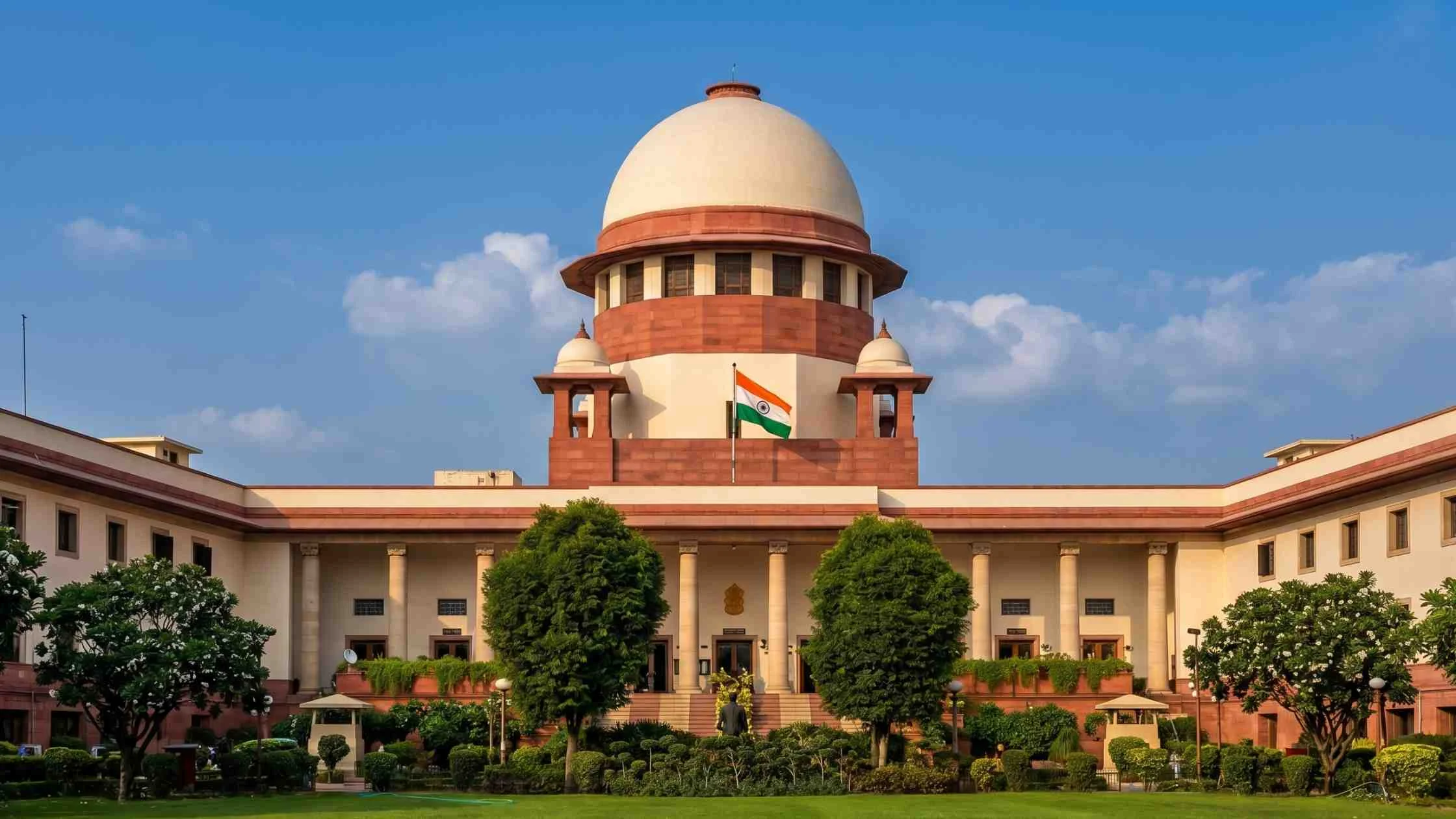
India’s real estate space is once again getting hit by heavy legal regulatory checks, after the Supreme Court asked responses from the Centre, Enforcement Directorate (ED) and Reserve Bank of India (RBI) on allegations tied to diversion and improper use of homebuyers’ money in projects connected to Noida, and also the Yamuna Expressway belt.
This case has significant public interest as it highlights a persistent problem within the Indian Real Estate sector that occurs when a buyer's payment for one home is then used to pay for a different home, to buy unrelated property, to service debt, or to finance an entirely different project. Because of these kinds of actions, many thousands of people throughout the National Capital Region have experienced delays in receiving their homes, stopped construction on their homes, and increased financial pressure.
The Supreme Court’s intervention could potentially become an important turning point for homebuyer protection, financial transparency, and accountability in India’s property market.
Why the Supreme Court Is Investigating Homebuyers Fund Diversion
The ongoing plea says that large amounts that were collected from homebuyers, were improperly diverted, rather than being put toward project construction and delivery. Petitioners argue that diversion had a very big role in making the project timelines drag and causing financial instability across multiple housing developments.
The court has now sought responses from:
- Central Government
- Reserve Bank of India (RBI)
- Enforcement Directorate (ED)
The matter mainly concerns housing projects in:
- Noida
- Greater Noida
- Yamuna Expressway region
These areas have witnessed multiple stalled and delayed real estate projects over the last decade.
What Is Fund Diversion in Real Estate?
Fund diversion in real estate is not always as obvious as it might sound; it doesn't necessarily involve money being stolen or hidden. It's frequently more mundane and more insidious than that, which is partly why it continued as long as it did under the regulatory frameworks that existed before RERA.
The most common forms of fund diversion that have been documented across India's residential real estate sector include:
Using Buyer Funds for New Land Purchases
Developers may redirect project money toward acquiring additional land banks instead of completing existing projects.
Debt Repayment
Funds are sometimes used to repay older corporate loans or unrelated liabilities.
Cross Funding Between Projects
Money collected for one project may be shifted to another struggling development.
Corporate Expenses
Operational or promoter-level expenses may also consume project funds improperly.
Such practices often create liquidity problems that directly impact project completion timelines.
Also Read: Supreme Court on RERA: Says It May Be ‘Better to Abolish’ Authority Serving Defaulting Builders
How Homebuyers Get Affected
The biggest impact of project fund diversion is faced by ordinary homebuyers who continue paying EMIs while waiting for possession. Many NCR homebuyers who booked apartments in projects that subsequently stalled found themselves carrying two simultaneous housing costs continuing EMI payments on a loan for a flat that didn't yet exist, alongside rent payments for the accommodation they were actually living in.
This dual financial burden, sustained over years, depleted savings, forced lifestyle changes, and in some cases led to families defaulting on the home loans that were supposed to be building their assets.
Major Problems Faced by Buyers
- Delayed possession for several years
- Ongoing rent plus EMI burden
- Legal disputes and uncertainty
- Loss of savings and investments
- Incomplete or abandoned housing projects
- Reduced trust in developers
Many NCR homebuyers have already experienced delays exceeding five to ten years in some large housing projects.
Supreme Court’s Focus Areas
The Supreme Court appears to be examining broader systemic issues instead of limiting the matter to only one project or developer. What distinguishes the Supreme Court's current intervention from previous enforcement actions in the Noida real estate space is the scope of the scrutiny.
The court is looking at whether there was enough regulation and financial oversight in place to prevent this type of situation from occurring by escalating the issue to both the Centre, the Reserve Bank of India (the regulator), and the Enforcement Directorate (the financial watchdog) at the same time instead of looking solely at developer-level accountability. If those systems were inadequate, then what must change in order for that not to happen again?
Key Areas Under Scrutiny
1. Financial Monitoring of Real Estate Funds
The court may evaluate whether current financial monitoring systems are sufficient to prevent misuse of buyer money.
2. Banking Oversight
The role of banks and financial institutions in monitoring project cash flows may also come under review
3. Enforcement Action
The ED’s role becomes important if financial irregularities, money laundering concerns, or diversion of funds are established.
4. Regulatory Gaps
The matter may expose weaknesses in real estate regulation despite the implementation of RERA.
Role of RERA in Protecting Homebuyers
The Real Estate (Regulation and Development) Act, 2016 RERA was introduced substantially in response to exactly the kind of fund diversion that the current Supreme Court case is examining. The Parliament was explicitly aware, when drafting RERA, that buyers' money being used for purposes other than the project it was collected for was one of the primary causes of project failures.
Under RERA rules:
- 70% of buyer collections must remain in an escrow account
- Funds should only be used for construction and land costs
- Developers must provide project updates regularly
- Financial transparency is mandatory
However, enforcement challenges still remain in many states.
How Escrow Rules Work Under RERA
|
RERA Requirement |
Purpose |
|
70% escrow account rule |
Prevent fund diversion |
|
Chartered accountant certification |
Monitor withdrawals |
|
Construction-linked withdrawals |
Ensure project completion |
|
Quarterly project updates |
Improve transparency |
|
Mandatory registration |
Increase accountability |
Despite these safeguards, several delayed projects continue facing financial stress.
Why Noida and Yamuna Expressway Projects Are Frequently in News
The Noida, Greater Noida, and Yamuna Expressway real estate market experienced a boom of extraordinary intensity in the years before RERA's implementation. The combination of relatively affordable land (compared to Delhi and Gurugram), aggressive developer launches targeting Delhi NCR's growing professional population, easy credit availability, and buyer willingness to book under-construction apartments at attractive prices created a rapid accumulation of housing project commitments across the corridor.
However, several projects later faced problems because of:
- Overleveraging
- Funding shortages
- Weak sales
- Delayed approvals
- Rising debt obligations
- Project mismanagement
As a result, thousands of buyers across NCR remain stuck in delayed housing projects.
Comparison Between Regulated and Financially Stressed Projects
|
Feature |
Well Managed Projects |
Financially Stressed Projects |
|
Construction Progress |
Steady |
Delayed |
|
Buyer Fund Usage |
Project specific |
Often diverted |
|
Possession Timelines |
Mostly on schedule |
Significant delays |
|
Financial Transparency |
Higher |
Limited |
|
Buyer Confidence |
Strong |
Weak |
|
Legal Disputes |
Lower |
Higher |
Financial discipline has become one of the biggest differentiators in India’s real estate market today.
Also Read: Supreme Court: Renting a Flat Doesn’t Remove Homebuyer’s Consumer Rights
Why This Case Matters for India’s Real Estate Sector
The Supreme Court’s scrutiny may have long term implications for developers, lenders, regulators, and investors. If the Supreme Court's intervention produces concrete responses from the Centre, RBI, and ED and if those responses lead to policy action, the potential impacts on India's real estate regulatory framework include:
Stronger Financial Compliance
Developers may face stricter rules regarding fund utilisation and disclosures.
Improved Banking Supervision
Banks financing real estate projects may be required to monitor fund flows more closely.
Better Homebuyer Protection
Future housing buyers could benefit from tighter regulatory safeguards.
Increased Investor Confidence
Transparent regulation improves long term trust in the real estate market.
Faster Resolution Mechanisms
The case could encourage faster action against stalled or financially distressed projects.
Growing Demand for Financial Transparency in Real Estate
Homebuyers today are far more cautious than before. Buyers increasingly evaluate:
- Developer track record
- Project funding structure
- RERA compliance
- Construction progress
- Debt exposure
- Delivery history
Financial transparency is now becoming as important as project location and amenities.
What Homebuyers Should Check Before Investing
The Supreme Court case doesn't resolve the situation for buyers already stuck in delayed projects; resolution will come through individual legal proceedings, insolvency processes, and RERA orders that are separate from the Supreme Court matter. But it does create important context for buyers evaluating new purchases.
Verify RERA Registration
Always check whether the project is registered with the state RERA authority.
Monitor Construction Progress
Compare actual site progress with promised delivery timelines.
Check Developer History
Review previous project delivery records carefully.
Understand Funding Structure
Projects with healthier cash flow management usually carry lower delivery risk.
Review Legal Approvals
Ensure land titles and approvals are clear.
Buyers are now prioritising financially disciplined developers more than ever before.
Could This Case Trigger Policy Changes?
Industry experts believe the Supreme Court’s observations may eventually influence:
- Real estate financing rules
- Escrow monitoring systems
- Banking regulations
- Developer compliance frameworks
- Homebuyer compensation mechanisms
Authorities may also strengthen coordination between RERA, RBI, banks, and enforcement agencies.
Final Thoughts
The Supreme Court’s investigation into the alleged misuse of homebuyers' funds underscores the growing call for accountability and transparency in India’s real estate industry. With many buyers still facing postponed possession in Noida and Yamuna Expressway developments, this situation highlights gaps in regulatory compliance and fiscal responsibility in the sector.
For homebuyers, this issue highlights the necessity of assessing project funding stability, RERA adherence, and developer trustworthiness prior to investing. As India's housing market keeps evolving, enhanced financial governance might be crucial for rebuilding long-term trust in the real estate sector.



Ans 1. The Supreme Court is examining allegations that developers diverted buyer funds collected for housing projects toward unrelated expenses. The case mainly involves stalled projects in Noida and Yamuna Expressway regions.
Ans 2. Fund diversion happens when money collected from homebuyers for one project is used for other purposes like land purchases debt repayment or different projects instead of construction.
Ans 3. The Supreme Court has sought responses from the Central Government Enforcement Directorate and Reserve Bank of India regarding alleged financial irregularities in housing projects.
Ans 4. Buyers often face delayed possession ongoing EMI payments rental expenses legal disputes and financial stress when project funds are misused or construction stops.
Ans 5. RERA requires developers to keep 70 percent of buyer funds in escrow accounts and use them only for project construction and land related expenses.
Ans 6. Several projects in these regions faced funding shortages weak sales high debt approvals delays and alleged financial mismanagement over the last decade.
Ans 7. An escrow account is a separate bank account where developers must deposit a major portion of buyer payments to ensure funds are used only for construction.
Ans 8. Buyers should verify RERA registration developer track record construction progress legal approvals and financial discipline before investing in any project.
Ans 9. Authorities may impose penalties freeze accounts investigate financial records or initiate legal and enforcement action if violations are established.
Ans 10. Financial transparency helps ensure projects are completed on time reduces fraud risk and improves buyer confidence in the housing market.