
Table of Content
▲- Key Market Numbers Reflect Seasonal Moderation
- Why Did Property Registrations Decline?
- Stamp Duty Growth Highlights Market Resilience
- What Are Homebuyers Purchasing?
- Demand for Compact Homes Remains Strong
- Suburban Markets Continue to Lead
- What Does This Mean for Homebuyers and Investors?
- Conclusion
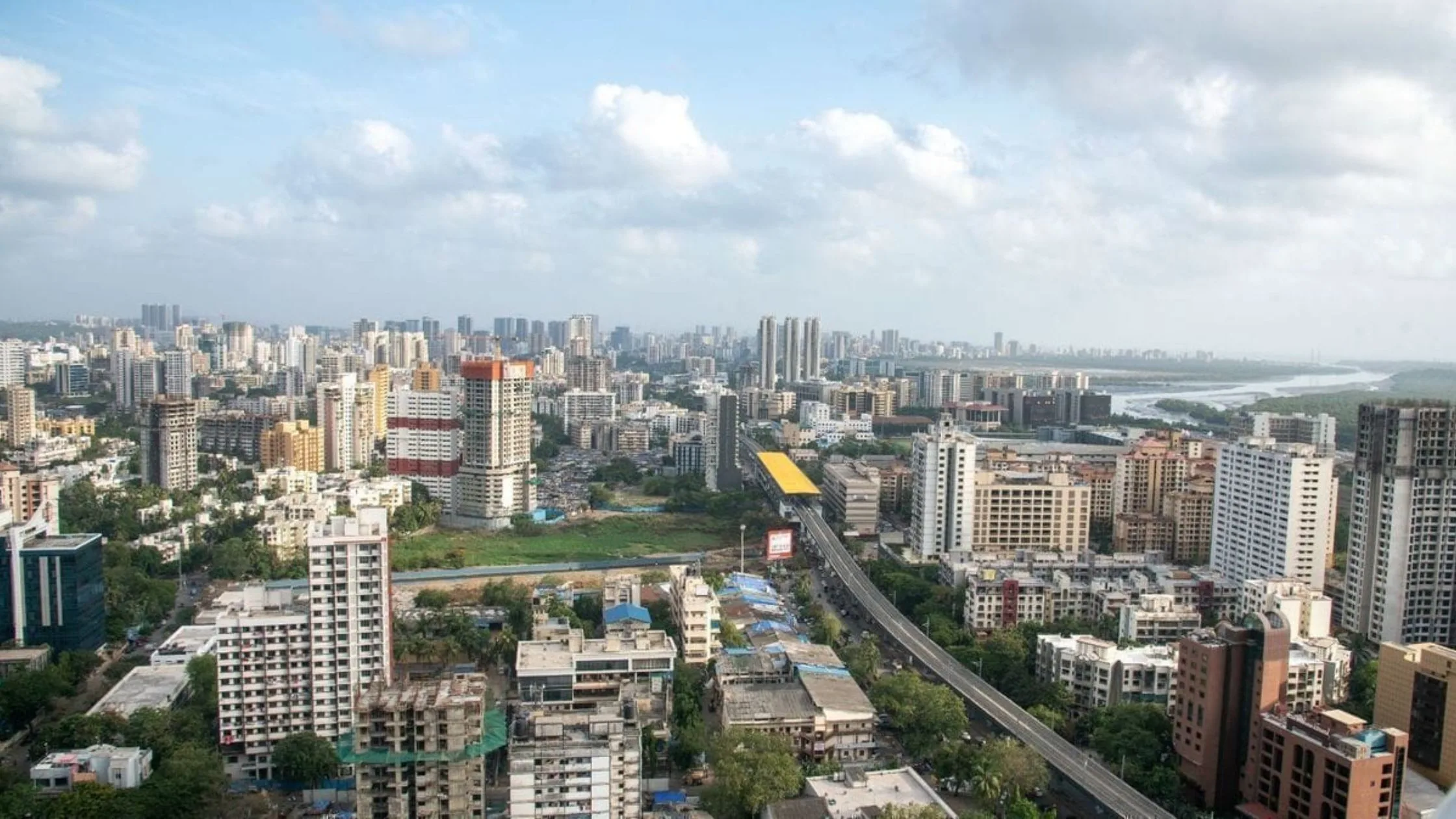
The Mumbai real estate market witnessed a mixed start to 2026, with property registrations declining while stamp duty collections showed resilience. This contrasting trend reflects a shifting market dynamic, where transaction volumes moderated but higher-value deals continued to support revenue growth.
According to official data from Maharashtra’s Inspector General of Registration (IGR), Mumbai recorded 11,219 property registrations in January 2026, marking an 8% decline compared to the same period last year. However, stamp duty collections increased by 2%, reaching ₹1,012 crore, indicating sustained demand in premium segments of the Mumbai real estate market.
On a month-on-month basis, registrations dropped sharply by 22%, while stamp duty revenue declined by 19%. Yet, experts believe this decline is largely seasonal and does not indicate a structural slowdown in the Mumbai real estate sector.
Key Market Numbers Reflect Seasonal Moderation
The January slowdown in transaction volumes is not unusual for Mumbai’s property market. Historically, property registrations tend to soften after the high activity seen in December, when buyers rush to close deals before the year-end.
Despite the drop in volumes, the underlying fundamentals of Mumbai real estate remain strong. Stable economic conditions, improving infrastructure, and sustained end-user demand continue to support the market.
Real estate analysts note that while registration numbers dipped, the overall health of the Mumbai real estate market appears stable due to consistent buyer interest in mid-to-premium housing.
Also Read: Karnataka’s Auto Land Conversion Reform: Key Impact on Homebuyers and Bengaluru Real Estate
Why Did Property Registrations Decline?
Several factors contributed to the dip in registrations in January 2026:
1. Seasonal Slowdown
January typically witnesses lower transaction activity compared to the previous month, as buyers reassess their financial plans after year-end purchases.
2. Shift in Buyer Preferences
The Mumbai real estate market is increasingly seeing a shift towards premium and mid-segment properties. Higher-value transactions often involve longer decision cycles, which can temporarily impact overall registration volumes.
3. Operational and Market Factors
Minor disruptions towards the end of the month and cautious buyer sentiment in certain segments also contributed to the decline.
However, experts emphasize that these factors represent short-term fluctuations rather than a fundamental slowdown in the Mumbai real estate market.
Stamp Duty Growth Highlights Market Resilience
While registrations declined, stamp duty collections rose, highlighting a key trend in Mumbai real estate the growing share of high-value transactions.
According to market experts, Mumbai recorded its highest January stamp duty collections in over a decade, driven by premium housing demand. This indicates that buyers are increasingly investing in higher-priced properties, reinforcing the structural strength of the Mumbai real estate market.
The rise in stamp duty revenue suggests that end-user confidence remains intact, supported by infrastructure development, employment stability, and long-term growth prospects.
What Are Homebuyers Purchasing?
Shift Towards Higher Price Segments
Data reveals a noticeable shift in buyer preferences within the Mumbai real estate market:
- Properties priced above ₹5 crore accounted for a higher share of registrations compared to last year.
- Homes in the ₹2–5 crore range also witnessed increased demand.
- The share of properties below ₹1 crore declined, reflecting affordability challenges in this segment.
This trend highlights the growing dominance of mid-to-premium housing in the Mumbai real estate landscape.
Demand for Compact Homes Remains Strong
Despite the rise in premium transactions, compact homes continue to dominate the Mumbai real estate market.
- Properties up to 1,000 sq ft accounted for over 80% of registrations.
- The 500–1,000 sq ft segment remained the most preferred choice among buyers.
- Larger homes above 2,000 sq ft continued to attract niche demand.
This indicates that affordability and practicality remain key drivers in the Mumbai real estate market, especially among end-users.
Suburban Markets Continue to Lead
The suburban regions of Mumbai continue to dominate property registrations, reinforcing their importance in the Mumbai real estate ecosystem.
- Western suburbs accounted for the largest share of registrations.
- Central suburbs also recorded significant activity.
- South Mumbai and Central Mumbai contributed a smaller share of transactions
The dominance of suburban markets reflects a combination of better affordability, improved infrastructure, and connectivity advantages, making them attractive destinations in the Mumbai real estate market.
Also Read: Noida Plans Land Pooling Policy to Acquire Farmer Land for Development
What Does This Mean for Homebuyers and Investors?
The January 2026 data highlights several key insights for stakeholders in the Mumbai real estate market:
For Homebuyers
- The market remains stable, with strong demand in mid-to-premium segments.
- Seasonal dips may present opportunities for negotiation and better deals.
For Investors
- Growing premium demand indicates long-term capital appreciation potential.
- Suburban markets continue to offer strong growth prospects in the Mumbai real estate sector.
For Developers
- Demand is shifting towards higher-value and well-located projects.
- Compact homes and premium housing are likely to remain key focus areas.
Conclusion
The January 2026 performance of the Mumbai real estate market reflects a balanced picture short-term moderation in transaction volumes alongside sustained revenue growth driven by premium housing demand.
While seasonal factors impacted registrations, the resilience in stamp duty collections underscores the structural strength of the market. With ongoing infrastructure development, stable economic conditions, and evolving buyer preferences, the Mumbai real estate market is well-positioned for steady growth in 2026 and beyond.
Overall, the data suggests that Mumbai’s property market is not slowing down but rather transitioning into a more mature and value-driven phase.

_1792140859.webp)


_1792151285.webp)
Ans 1. Registrations declined due to seasonal slowdown after year-end activity, longer decision cycles for premium properties, and minor operational factors.
Ans 2. Stamp duty revenue stayed strong because high-value and mid-to-premium property transactions increased, supporting overall revenue growth.
Ans 3. Buyers are increasingly choosing mid-to-premium homes priced above ₹2 crore, while compact homes under 1,000 sq ft continue to dominate demand.
Ans 4. Suburban regions led registrations, with the western suburbs taking the largest share, followed by central suburbs, while South Mumbai recorded fewer transactions.
Ans 5. No, the decline is mainly seasonal and short-term, while strong stamp duty collections show the market remains structurally healthy.
Ans 6. Homebuyers can expect stable market conditions, better negotiation opportunities during seasonal dips, and continued demand in mid-to-premium segments.
Ans 7. Investors can benefit from long-term capital appreciation, especially in suburban and premium housing segments that show consistent demand.
Ans 8. Developers are focusing on mid-to-premium projects, compact homes, and well-located properties to meet shifting buyer preferences.
Ans 9. The market is expected to grow steadily, with a more mature, value-driven phase marked by premium demand and resilient suburban markets.
Ans 10. Yes, properties up to 1,000 sq ft remain the most preferred, driven by affordability, practicality, and high end-user demand.