
Table of Content
▲
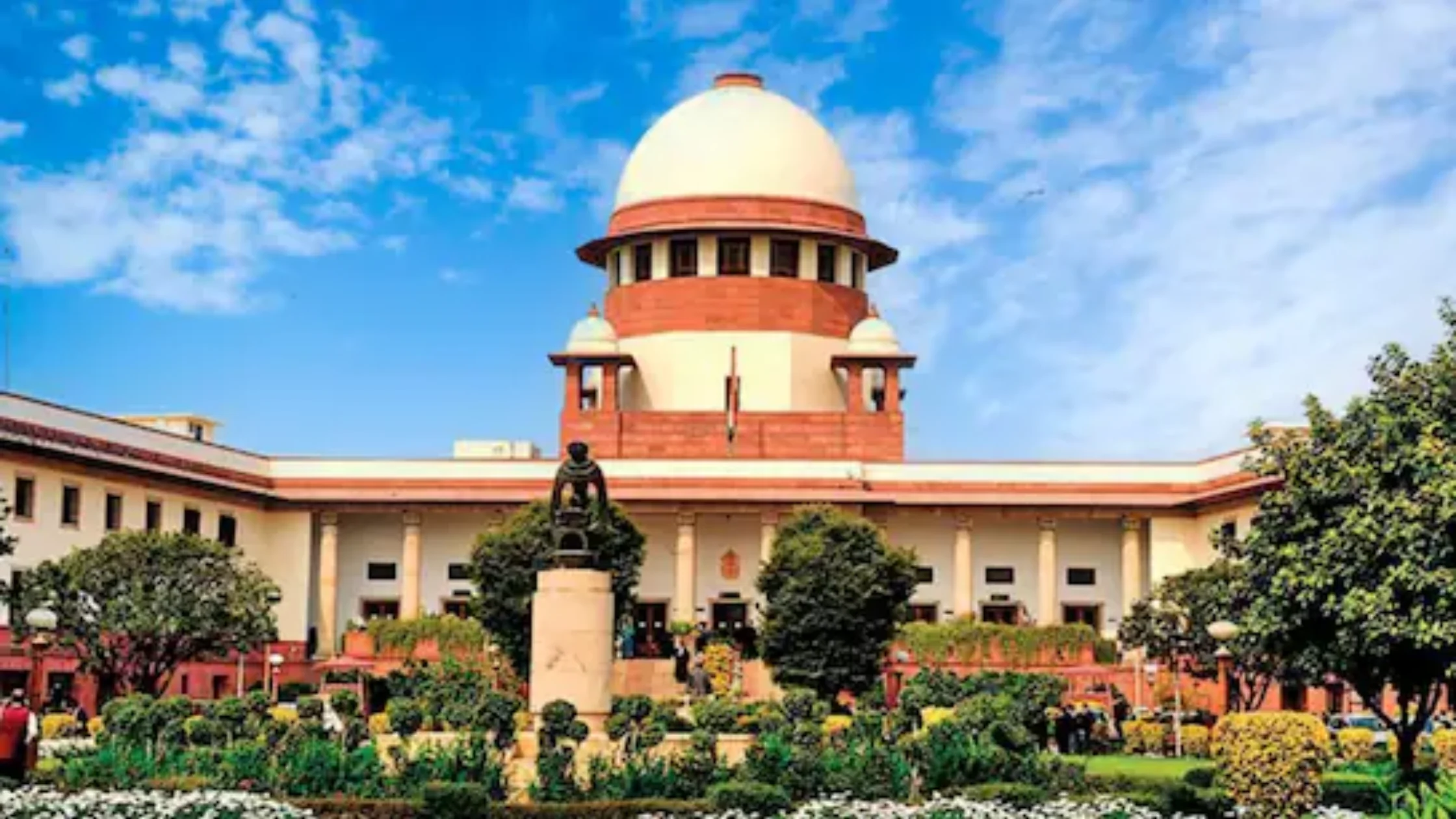
The Supreme Court has delivered a significant ruling clarifying that homebuyers' maintenance societies and Resident Welfare Associations (RWAs can't intervene in insolvency process of developer firm under the Insolvency and Bankruptcy Code (IBC), 2016. The verdict reinforces the structured and creditor-driven nature of insolvency proceedings, limiting participation strictly to entities recognised under the statute.
Supreme Court Upholds Insolvency Proceedings Against Developer
A bench comprising Justices JB Pardiwala and R. Mahadevan upheld the insolvency proceedings initiated against Takshashila Heights India Private Ltd. The court dismissed an intervention plea filed by a homebuyers’ cooperative housing society, affirming earlier orders of the National Company Law Appellate Tribunal (NCLAT) that rejected the society’s locus standi.
The ruling makes it clear that homebuyers' maintenance societies, RWAs can't intervene in insolvency process of developer firm merely on the basis of representational or associative interests.
Also Read: Tier-2 and Tier-3 Cities Power India’s Home Loan Growth in 2025, Outpacing Metros
IBC Is a Self-Contained Code, Says Supreme Court
The apex court reiterated that the Insolvency and Bankruptcy Code is a self-contained legislation that defines who can participate in insolvency proceedings. Rights under the IBC flow strictly from statutory recognition and debt relationships.
The court observed that if creditors invoke insolvency provisions, they must do so with a genuine intention to revive the corporate debtor. The insolvency framework, it said, cannot be converted into a recovery mechanism when alternative remedies under laws such as SARFAESI are available.
Why Maintenance Societies and RWAs Lack Locus Standi
Explaining why homebuyers' maintenance societies, RWAs can't intervene in insolvency process of developer firm, the bench stated that such societies are separate juristic entities distinct from individual allottees. Unless a society has itself advanced funds, entered into allotment agreements, or is owed a financial debt, it cannot claim the status of a financial creditor.
The court clarified that while individual homebuyers may be treated as financial creditors under Section 5(8)(f) of the IBC, this recognition does not automatically extend to societies or associations formed for maintenance and management purposes.
Financial Creditor Status Cannot Be Assumed
The Supreme Court emphasised that the right to initiate or participate in the Corporate Insolvency Resolution Process (CIRP) arises from the debt transaction itself. Associative or representative interests, the court noted, cannot override statutory definitions.
Accordingly, homebuyer’s maintenance societies, RWAs can't intervene in insolvency process of developer firm unless they are explicitly recognised as authorised representatives under the IBC a status that is regulated and arises only after the admission of insolvency proceedings.
Preventing Delay and Abuse of Insolvency Proceedings
The bench cautioned that permitting RWAs or societies to intervene at the pre-admission or appellate stage would undermine the efficiency of the insolvency framework. Such interventions, it warned, could allow errant developers to delay proceedings under the guise of collective representation.
Referring to earlier rulings, including the Pioneer Urban Land case, the court reiterated that insolvency proceedings are bipartite at the admission stage, involving only the financial creditor and the corporate debtor.
Implications for Homebuyers
While reiterating its commitment to safeguarding homebuyers’ interests, the Supreme Court stated that the appropriate mechanism for collective representation is through statutorily recognised authorised representatives after the constitution of the Committee of Creditors.
The ruling underscores that homebuyers' maintenance societies, RWAs, can't intervene in the insolvency process of a developer firm, but individual allottees retain their rights under the IBC when procedures are followed as prescribed.
Conclusion
The Supreme Court’s ruling strengthens procedural discipline under the Insolvency and Bankruptcy Code and prevents the expansion of creditor definitions beyond legislative intent. By holding that homebuyers' maintenance societies, RWAs, can't intervene in the insolvency process of a developer firm, the court has reaffirmed the structured, time-bound, and creditor-centric nature of India’s insolvency framework, ensuring that revival, not obstruction, remains the primary objective.
Ans 1. No, the Supreme Court has clarified that homebuyer's maintenance societies and RWAs cannot intervene in the insolvency process of a developer under the Insolvency and Bankruptcy Code, 2016, unless they are recognised as authorised representatives after the constitution of the Committee of Creditors.
Ans 2. The court held that the IBC is a self-contained statute where only entities recognised under the law, such as financial creditors, can participate. RWAs and societies cannot claim financial creditor status merely based on collective representation or maintenance responsibilities.
Ans 3. Yes, individual allottees may be treated as financial creditors if they have advanced funds or have financial claims against the developer. Their rights are recognised under Section 5(8)(f) of the IBC, allowing them to participate in the Corporate Insolvency Resolution Process (CIRP).
Ans 4. Authorised representatives are statutorily recognised individuals or entities appointed to represent a class of financial creditors, such as homebuyers, in the insolvency process. They participate in the Committee of Creditors and help safeguard collective interests within the IBC framework.
Ans 5. Yes, the ruling reinforces procedural discipline under the IBC, ensuring that insolvency proceedings remain creditor-centric and time-bound. It prevents delays caused by interventions from RWAs or societies while preserving homebuyers’ statutory rights through proper channels.
Ans 6. RWAs and maintenance societies are separate juristic entities and do not automatically qualify as financial creditors. Unless they have directly advanced funds or hold recognised claims under the IBC, they cannot initiate or participate in insolvency proceedings.
Ans 7. While RWAs cannot directly intervene, individual homebuyers retain their rights to claim dues through the CIRP or be represented via authorised representatives. This ensures homebuyers’ interests are protected without compromising the structured insolvency process.