
✦ AI Summary
Table of Content
▲- Why Lighting Impacts Your Electricity Bill More Than You Think
- Smart Lighting and its Core Features
- How Motion Sensors Reduce Power Waste
- How Smart Lighting & Motion Sensors Deliver 20% Savings
- Benefits Beyond Electricity Savings
- Ideal Smart Lighting Setup for Homes
- Cost vs Savings Is It Worth It?
- Who Should Consider Smart Lighting?
- Conclusion
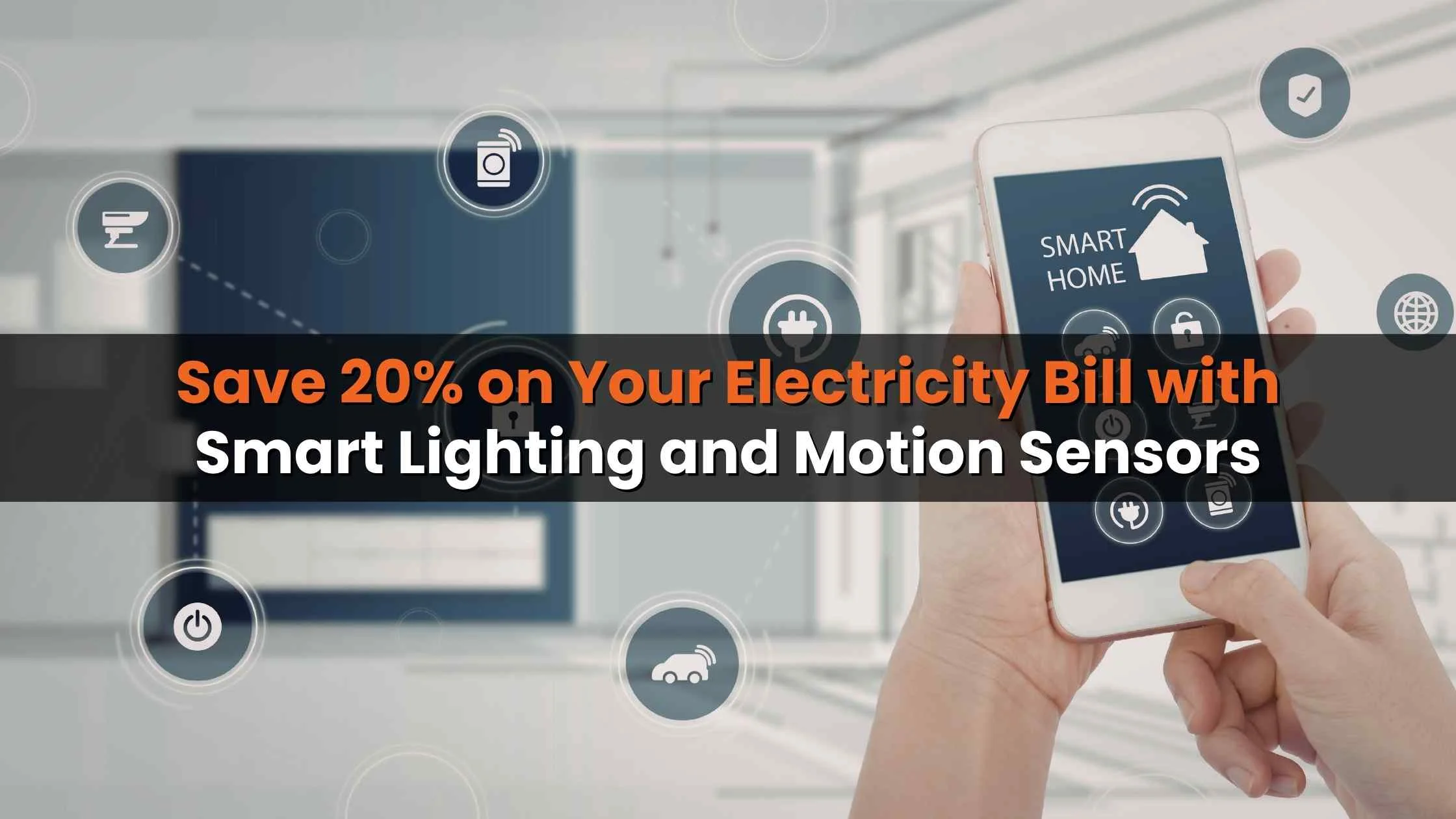
Electricity bills continue to climb every year for most households, due to excessive electricity usage like sometimes there are unnecessarily lights open in a room. For this you do not need solar panels or a major home upgrade to bring those numbers down. Smart lighting and motion sensors are practical, affordable tools that can shave up to 20% off your electricity bill, sometimes more without changing how you live.
This guide covers how smart lighting works, where motion sensors make the biggest difference, and how to set the whole thing up at home. If you want lower bills without the hassle, this is a genuinely easy place to start.
Why Lighting Impacts Your Electricity Bill More Than You Think
Lights run in almost every room, for hours every day. Small inefficiencies add up fast when they repeat 365 days a year. The usual culprits are:
- Lights burning in empty rooms nobody remembered to switch off
- Rooms lit at full brightness when half that would do the job
- Old bulbs pulling way more watts than modern alternatives
- No system that responds to whether someone is actually in the room
The real fix is not just swapping bulbs. It is putting the right controls in place, so lights come on when needed, dim when they can, and turn off on their own when a room is empty.
Smart Lighting and its Core Features
Smart lighting enables control of LED bulbs and smart switches through centralized systems which allow users to control automated lighting operations instead of manual toggle operations between on and off states.
Core Features of Smart Lighting
- App and voice control through your phone or smart assistant
- Dimming and brightness adjustment based on the time of day or activity
- Scheduling so lights follow a routine without your input
- Daylight sensors that reduce artificial light when sunlight is sufficient
- Energy monitoring so you can actually see where power is going
- Scene settings for different activities reading, sleeping, watching TV
Rather than flipping switches manually, smart lighting adjusts in real time based on what is actually happening in your home.
Also Read: Smart Energy Saving Made Easy: Top Home Tips for Lower Electricity Costs
Smart Lighting Products Worth Considering
- Wipro WiFi Smart LED Bulb (9W) will work with Alexa & Google Home, can be scheduled and dimmed; approximate cost per bulb around ₹600 – ₹800.
- Philips Wiz Smart Bulb is available in both colour and white variants; if you want an app-controlled product that you can dim a great deal, their price is around ₹900 – ₹1,200.
- Syska Smart LED provides a budget-friendly entry point to smart LED lighting; basic scheduling options and price range of ₹500 – ₹700.
- Havells Motion Sensor Light is a standalone motion-activated lighting fixture that does not require a hub; its average retail price will range from ₹400 – ₹600.
- Schneider Electric Motion Sensor Switch will provide a retrofit option for existing fittings; it replaces standard switches at an average price of ₹800 – ₹1,200.
For most homes, smart bulbs in the main rooms combined with motion sensor fittings in bathrooms and corridors give the best result without needing a full smart home setup.
How Motion Sensors Reduce Power Waste
A motion sensor watches for activity and switches the light on when someone enters and off again when they leave. Simple concept, surprisingly large impact on your bill.
Where Motion Sensors Work Best
- Bathrooms
- Corridors and staircases
- Parking areas and garages
- Balconies and terraces
- Store rooms
- Building lobbies
- Outdoor security lighting
These are all spots where lights get left on for hours simply because nobody went back to turn them off.
Types of Motion Sensors
- Passive Infrared (PIR) picks up body heat to detect movement
- Ultrasonic Sensors sends sound waves to detect occupancy
- Microwave Sensors covers bigger areas with higher sensitivity
- Dual Technology Sensors combines PIR and ultrasonic for fewer false triggers
How Smart Lighting & Motion Sensors Deliver 20% Savings
Used together, smart lighting and motion sensors cut out electricity consumption that was never serving any purpose to begin with.
Saving Mechanism
- Lights shut off the moment a room is empty, no human memory required
- Brightness adjusts based on available daylight rather than running at full power all day
- LED bulbs use a fraction of the power older bulb types consumed
- Scheduled routines stop lights running through the night unnecessarily
- Energy usage reports show you exactly where the waste is happening so you can fix it
Real-World Impact
A home running 10 to 12 lights daily can cut off thousands of rupees, its annual electricity spend once intelligent automation takes over for managing lights.
Traditional Lighting vs Smart Lighting Comparison
|
Feature |
Traditional Lighting |
Smart Lighting + Motion Sensors |
|
Control |
Manual switches |
App, voice, automation |
|
Energy Efficiency |
Depends on user habits |
Optimised automatically |
|
Power Consumption |
Higher (old bulbs common) |
Low (LED + dimming tech) |
|
Lights Left On |
Very common |
Rare due to sensors |
|
Customisation |
None |
Scenes, schedules, mood lighting |
|
Safety |
Basic |
Auto-lit pathways, security lighting |
|
Monitoring |
Not available |
Real-time energy tracking |
|
Long-Term Savings |
Limited |
Up to 20% lower bills |
Benefits Beyond Electricity Savings
Switching to smart lighting does more than reduce your monthly bill.
Convenience
- No fumbling for a switch in a dark hallway
- Voice-activated lighting when your hands are full
- Automatic night lighting that works without waking anyone up
Safety
- Motion-activated outdoor lights make a difference for home security
- Staircase sensors light the path before your foot finds the step
- Emergency pathway lighting during power fluctuations
Comfort & Ambience
- Warm or cool lighting depending on what you are doing
- Proper task lighting for reading without glare
- Movie-mode lighting at home without touching a dimmer
Environmental Impact
- Lower power draw reduces your household's carbon footprint
- LED bulbs last years longer than older types, creating less waste
Ideal Smart Lighting Setup for Homes
If you are starting fresh, focus on the rooms where the savings will be highest first.
Step-by-Step Upgrade Plan
Start Here (High Savings Zones)
- Living room main lights
- Kitchen ceiling lighting
- Bedroom primary lights
- Bathroom motion sensor lights
Next Level
- Hallways and staircases
- Balcony and outdoor lights
- Parking areas
Advanced Automation
- Whole-home lighting scenes
- Sunrise and sunset automation
- Integration with your existing smart home ecosystem
Cost vs Savings Is It Worth It?
|
Component |
Average Initial Cost |
Lifespan |
Savings Potential |
|
Smart LED Bulbs |
Moderate |
10–15 years |
High |
|
Smart Switches |
Moderate |
8–12 years |
High |
|
Motion Sensors |
Low to Moderate |
6–10 years |
Very High |
|
Full Automation System |
Higher |
10+ years |
Maximum |
Return on Investment
Most households recover what they spent on installation within 2 to 4 years purely through lower electricity bills and continue saving every month after that.
Also Read: How to Save Electricity With 6 Easy Tips
Who Should Consider Smart Lighting?
Smart lighting makes sense for:
- Homeowners who want to bring down monthly running costs
- Families with young children or elderly members who benefit from hands-free and automatic lighting
- Apartment residents dealing with common area electricity charges
- Independent house owners with outdoor and garden lighting
- Rental property owners who want to reduce maintenance and utility costs
Common Mistakes to Avoid
- Fitting sensors in rooms where they are rarely useful
- Buying devices that do not talk to each other
- Cutting corners on LED quality, cheap bulbs fail faster and save less
- Over-automating spaces that barely get used
- Setting sensor timeout durations too long, this defeats the purpose
A bit of planning upfront saves a lot of frustration later.
Conclusion
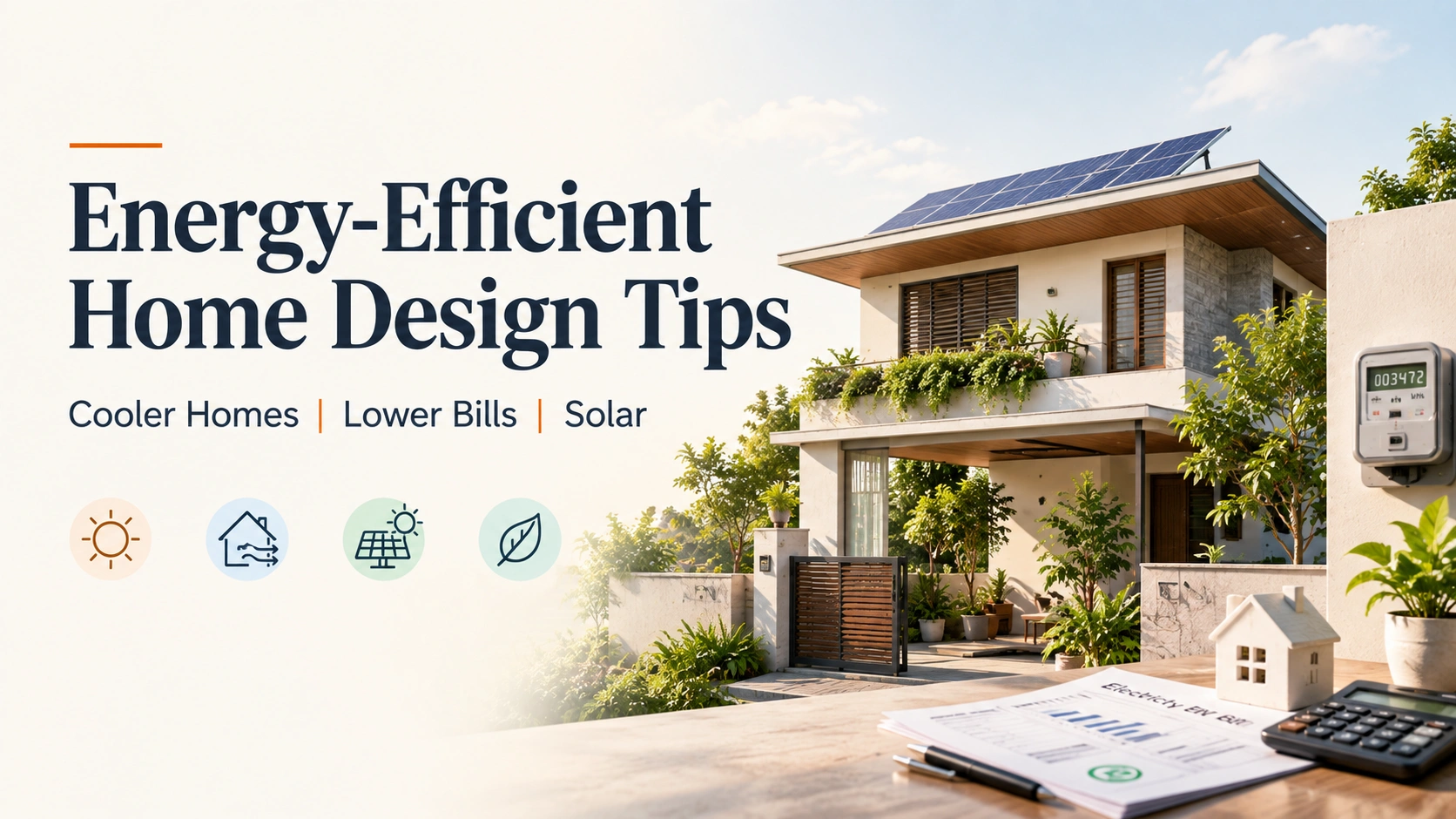
You can reduce your electricity expenses by 20 percent without needing solar panels or a home energy audit or major building work. The installation of smart lighting together with motion sensors serves as an effective solution which homeowners can implement without spending much money and which delivers results from the moment of installation.
The upfront cost is manageable, the payback period is under two years for most homes, and the day-to-day improvement is real, lights that work when you need them and stop when you do not. For any household watching electricity costs climb, this is one of the smartest and simplest things you can do right now.



Ans 1. Smart lights use LED technology automation dimming schedules and occupancy detection to prevent unnecessary power usage which lowers overall electricity consumption significantly.
Ans 2. Yes motion sensors switch lights off automatically when rooms are empty eliminating waste caused by lights being left on for long periods.
Ans 3. Most homes can reduce lighting related electricity usage by up to 20 percent depending on usage patterns number of fixtures and automation setup.
Ans 4. Smart bulbs add automation scheduling remote control and dimming features on top of LED efficiency making them more energy optimized.
Ans 5. Bathrooms corridors staircases parking areas balconies store rooms entrances and outdoor security zones benefit the most.
Ans 6. Basic features may work via Bluetooth or local networks but full automation remote control and voice commands require internet.
Ans 7. Entry level smart bulbs start affordably while full home automation costs vary based on home size devices and integration needs.
Ans 8. Quality smart LED bulbs typically last 10 to 15 years depending on usage making them cost effective long term.
Ans 9. Most modern systems integrate with popular voice assistants allowing hands free lighting control.
Ans 10. Yes they automatically light pathways entrances and outdoor areas reducing accident risks and improving security visibility.