
Table of Content
▲- Proposed Metro Corridor: Key Highlights
- Connectivity Boost and Urban Integration
- Real Estate Sentiment Gains Momentum
- Residential Market Outlook Along the Corridor
- Commercial and Industrial Real Estate Growth
- Rise of Transit-Oriented Development (TOD)
- Key Locations Likely to Benefit
- Long-Term Real Estate Implications
- Conclusion
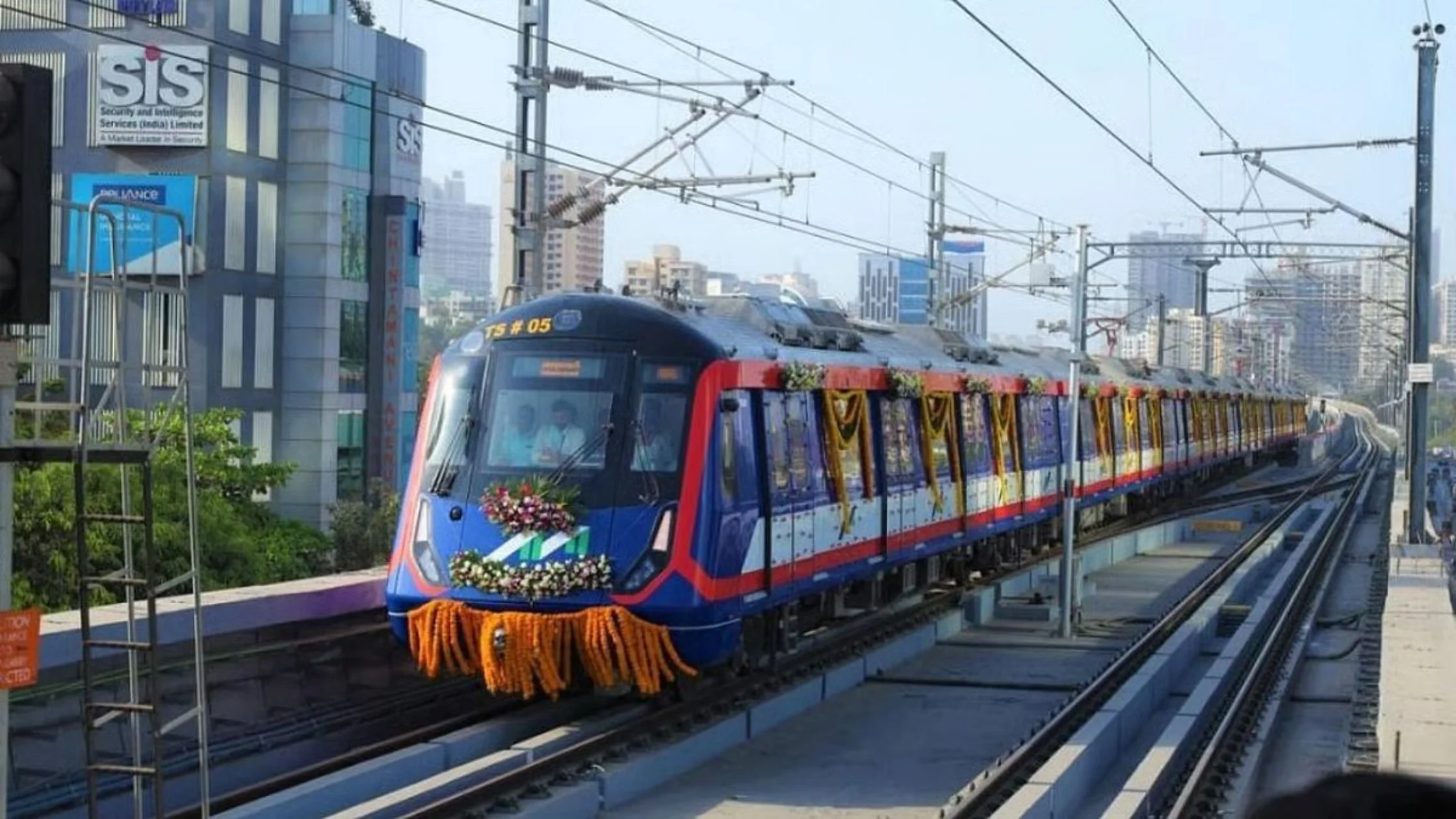
The Maharashtra government’s approval of a new Metro corridor connecting Mumbai’s Chhatrapati Shivaji Maharaj International Airport with the Navi Mumbai International Airport marks a major milestone in regional infrastructure development. The project is expected to transform urban mobility while reshaping real estate dynamics across Mumbai and Navi Mumbai.
The Metro link between Mumbai and Navi Mumbai airports is not just a transportation upgrade it is a strategic infrastructure investment that could significantly influence residential, commercial, and investment demand in key micro-markets along the corridor.
Proposed Metro Corridor: Key Highlights
The approved Metro project will span approximately 35 kilometres and is designed to reduce travel time between the two airports to around 30 minutes. The corridor will feature a mix of elevated and underground stations, enhancing connectivity across major business districts and residential hubs.
With an estimated project cost exceeding ₹22,000 crore, the Metro link between Mumbai and Navi Mumbai airports will be developed through a public-private partnership model, reflecting its scale and long-term economic significance.
The corridor is expected to integrate with existing Metro lines, creating a seamless transport network across the Mumbai Metropolitan Region (MMR).
Also Read: Economic Survey: RERA and GST Drive Sustained Real Estate Growth and Sales
Connectivity Boost and Urban Integration
One of the most significant benefits of the Metro link between Mumbai and Navi Mumbai airports is improved regional connectivity. By directly linking two major aviation hubs, the project will strengthen economic integration between Mumbai and Navi Mumbai.
Enhanced accessibility to business districts such as Bandra-Kurla Complex, Andheri East, Kurla, and Navi Mumbai’s industrial zones is likely to improve commuting efficiency and reduce dependency on road transport.
This connectivity upgrade could also make Navi Mumbai more attractive as a business and residential destination.
Real Estate Sentiment Gains Momentum
Infrastructure projects often act as catalysts for real estate growth, and the Metro link between Mumbai and Navi Mumbai airports is expected to follow the same pattern. Real estate stakeholders anticipate that improved connectivity will boost buyer confidence and attract fresh investments in key locations.
Market sentiment is already showing positive signs, with developers and investors closely tracking areas along the proposed Metro route. The expectation of faster travel and better accessibility is likely to increase property demand across multiple segments.
Residential Market Outlook Along the Corridor
The Metro link between Mumbai and Navi Mumbai airports could significantly influence residential real estate, particularly in emerging nodes such as Ulwe, Panvel, Kharghar, Taloja, and Seawoods.
Affordable and mid-income housing markets are expected to witness stronger end-user demand, driven by improved connectivity and relatively lower property prices compared to central Mumbai. Over time, these areas could see gradual capital appreciation as infrastructure development accelerates.
Additionally, suburban pockets in Mumbai may also experience increased demand as homebuyers seek well-connected locations with better lifestyle amenities.
Commercial and Industrial Real Estate Growth
Beyond residential markets, the Metro link between Mumbai and Navi Mumbai airports is expected to stimulate commercial real estate activity. Improved access to airports and business districts could accelerate office leasing, logistics parks, data centres, and hospitality investments.
Navi Mumbai, in particular, may emerge as a stronger commercial hub due to its proximity to the new airport and improved transit connectivity. Businesses may increasingly consider relocating or expanding operations in well-connected suburban and peripheral areas.
Rise of Transit-Oriented Development (TOD)
Another major outcome of the Metro link between Mumbai and Navi Mumbai airports could be the growth of transit-oriented developments. Metro stations often evolve into high-density urban nodes, attracting retail, mixed-use, and lifestyle projects.
Developers may strategically plan residential and commercial projects around Metro stations to capitalise on rising footfall and demand. Over time, these zones could transform into vibrant urban centres with integrated living, working, and retail spaces.
Key Locations Likely to Benefit
The impact of the Metro link between Mumbai and Navi Mumbai airports is expected to be felt across multiple micro-markets.
In Mumbai, areas such as Santacruz, Bandra, Ghatkopar, Mankhurd, and BKC could see improved connectivity benefits. In Navi Mumbai, nodes including Vashi, Sanpada, Juinagar, Nerul, Belapur, Kharghar, Ulwe, and Panvel are likely to attract increased real estate activity.
Over the medium to long term, demand may gradually shift toward well-connected suburban and Navi Mumbai locations.
Also Read: No New Affordable Housing Projects in Gurugram & Faridabad for Two Years
Long-Term Real Estate Implications
While the immediate impact of the Metro link between Mumbai and Navi Mumbai airports may be more sentiment-driven, its long-term implications could be substantial. Infrastructure-led growth typically unfolds over several years, with gradual increases in property values, rental yields, and development activity.
As connectivity improves and economic activity expands, Navi Mumbai could increasingly be viewed not as a peripheral extension of Mumbai but as an integral part of the region’s urban ecosystem.
Conclusion
The approval of the Metro link between Mumbai and Navi Mumbai airports represents a transformative step in the evolution of Mumbai’s urban infrastructure. By enhancing connectivity between two major aviation hubs and key economic zones, the project is poised to reshape real estate trends across the Mumbai Metropolitan Region.
From residential demand and commercial expansion to transit-oriented development and long-term capital appreciation, the Metro corridor is likely to play a crucial role in defining the future of property markets in Mumbai and Navi Mumbai.
As infrastructure continues to drive urban growth, the Metro link between Mumbai and Navi Mumbai airports stands out as a powerful catalyst for real estate transformation.




Ans 1. It is a 35 km Metro corridor approved by the Maharashtra government to connect Chhatrapati Shivaji Maharaj International Airport in Mumbai with Navi Mumbai International Airport, reducing travel time to about 30 minutes.
Ans 2. The project is estimated to cost over ₹22,000 crore and will be developed through a public-private partnership (PPP) model.
Ans 3. In Mumbai: Santacruz, Bandra, Ghatkopar, Mankhurd, BKC. In Navi Mumbai: Vashi, Sanpada, Juinagar, Nerul, Belapur, Kharghar, Ulwe, and Panvel.
Ans 4. The Metro is expected to cut travel time from several hours via road to approximately 30 minutes.
Ans 5. Improved connectivity is likely to boost demand in emerging nodes such as Ulwe, Panvel, Kharghar, and Seawoods, particularly for affordable and mid-income housing.
Ans 6. Yes, areas near the corridor are expected to see increased office leasing, logistics parks, data centres, and hospitality investments due to enhanced accessibility.
Ans 7. TOD refers to high-density, mixed-use development around transit hubs. Metro stations along this corridor are likely to attract residential, retail, and commercial projects.
Ans 8. Over the medium to long term, property values and rental yields are expected to rise in areas along the corridor due to better connectivity and urban development.
Ans 9. Bandra-Kurla Complex (BKC), Andheri East, Kurla, and other key business hubs will experience enhanced accessibility.
Ans 10. While the project is approved, detailed timelines for construction and commissioning are yet to be announced by authorities.
Ans 11. Yes, improved transit and airport connectivity are expected to boost both residential demand and commercial investments in Navi Mumbai.
Ans 12. The corridor will connect with existing Metro lines, enabling seamless regional travel across Mumbai Metropolitan Region (MMR).
Ans 13. The project will feature a mix of elevated and underground stations to suit urban and airport connectivity needs.
Ans 14. It will reduce road congestion, cut travel time between two major airports, and enhance regional economic integration across Mumbai and Navi Mumbai.
Ans 15. It could transform suburban and peripheral areas into well-connected urban nodes, increase property values, encourage transit-oriented development, and attract long-term investments.