
Table of Content
▲- Bombay High Court Takes a Firm Stand on Sewage Management
- Case Background: Ulhas River Pollution Raises Alarm
- Clear Court Directive: No OC Without Full Compliance
- Civic Authorities Also Under Scrutiny
- Mandatory STPs: A Non-Negotiable Requirement
- Builders Face Blacklisting for Violations
- Statewide Survey of Non-Compliant Buildings Ordered
- Impact on Maharashtra’s Real Estate Sector
- What Homebuyers Should Know
- Conclusion
The Bombay High Court has issued a decisive directive aimed at addressing one of Maharashtra’s most pressing environmental challenges unchecked sewage pollution. In a landmark ruling, the court has made it clear that no occupation certificate will be granted to any building unless developers strictly comply with approved plans and ensure proper sewage management systems are in place.
This ruling applies across Maharashtra and marks a significant shift in how civic authorities, builders, and developers will be held accountable for environmental compliance.
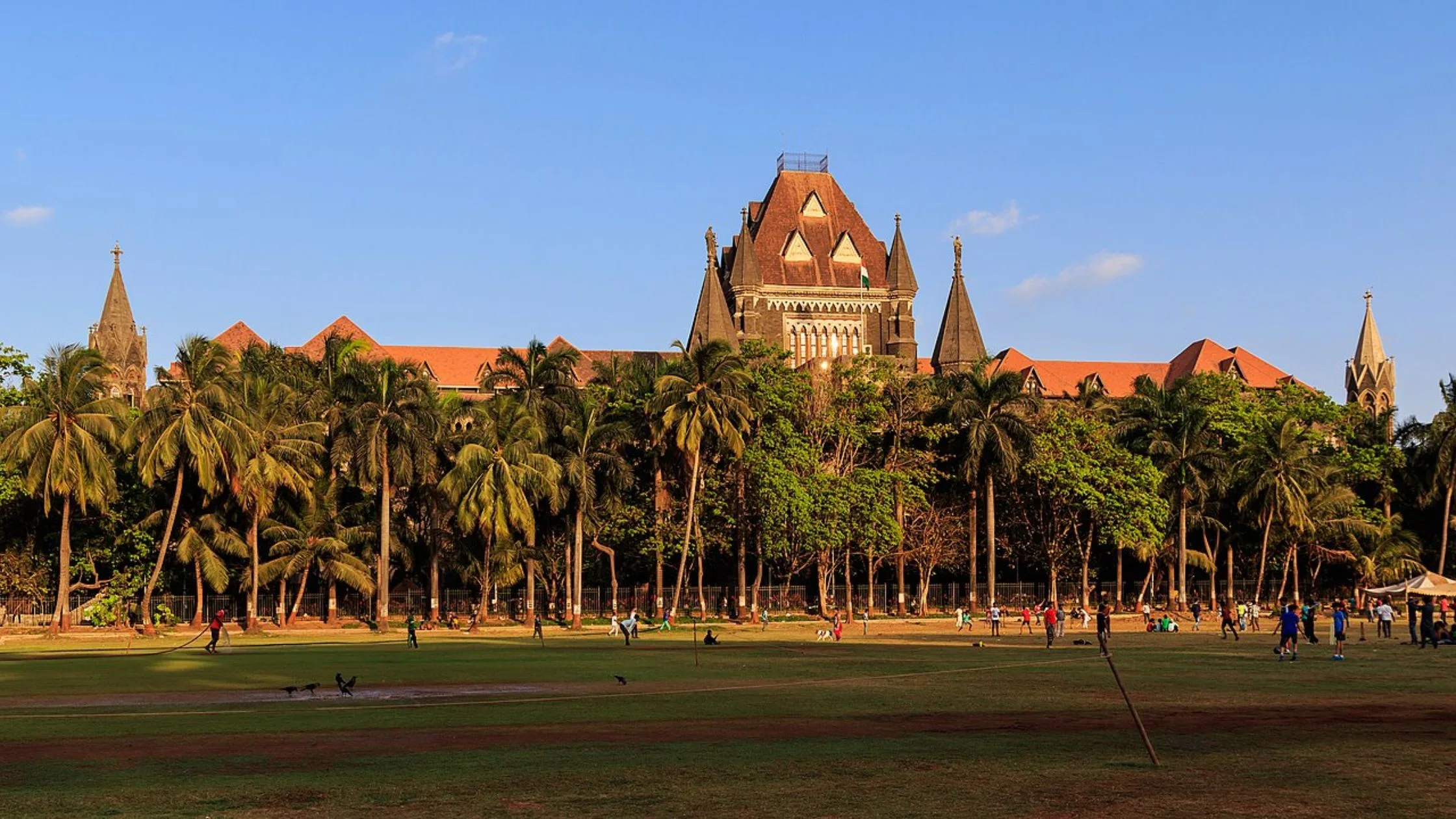
Bombay High Court Takes a Firm Stand on Sewage Management
The Bombay High Court observed that untreated sewage discharge into rivers has reached an alarming scale, posing serious risks to public health and the environment. To curb this growing problem, the court directed all municipal corporations, councils, and local authorities to ensure that no occupation certificate is issued unless buildings meet all legal and environmental norms.
The ruling underscores that environmental protection cannot be compromised for the sake of rapid urbanisation or unauthorised construction.
Also Read: YEIDA Announces 973 Residential Plots Near Noida International Airport
Case Background: Ulhas River Pollution Raises Alarm
The court was hearing a petition filed by a resident of Badlapur, who raised concerns over illegal constructions by a developer in the Thane district. During the proceedings, the bench noted that as many as 438 unauthorised structures had failed to install sewage treatment plants (STPs), resulting in untreated sewage being dumped directly into the Ulhas River.
The judges described the situation as being of an “enormous magnitude,” highlighting the severe ecological damage caused by the absence of sewage treatment infrastructure.
Clear Court Directive: No OC Without Full Compliance
A bench comprising Justices Ravindra Ghuge and Abhay Mantri categorically stated that no occupation certificate should be issued unless:
- The structure strictly follows approved building plans
- All building permissions are complied with
- A functional sewage treatment plant is installed for high-rise buildings
- Or the sewage system is connected to an authorised underground drainage network
This directive leaves no room for interpretation, placing environmental compliance at the centre of urban development.
Civic Authorities Also Under Scrutiny
The Bombay High Court made it clear that accountability does not rest solely with builders. Municipal authorities that issue an occupation certificate in violation of these conditions will also face consequences.
The court warned that if, in the future, any civic body grants a no occupation certificate exemption without verifying sewage infrastructure, strict action would be initiated against both the builder and the concerned officials.
Mandatory STPs: A Non-Negotiable Requirement
The ruling places sewage treatment plants at the core of building approvals, especially for high-rise and large residential projects. The court stressed that pumping untreated sewage into rivers must be reduced immediately and eventually stopped altogether.
Unless a building has an operational STP or a verified underground sewage connection, no occupation certificate can legally be granted.
Builders Face Blacklisting for Violations
In one of the strongest warnings issued, the High Court directed authorities to initiate steps toward blacklisting builders and construction companies that fail to provide proper sewage management systems.
This move is expected to act as a deterrent against unauthorised construction practices and push developers toward responsible, sustainable development.
Statewide Survey of Non-Compliant Buildings Ordered
Recognising the scale of the issue, the court ordered a statewide drive to identify buildings where STPs have not been provided. Civic authorities have been instructed to take stock of such structures and initiate corrective measures.
This exercise is expected to bring long-pending sewage violations under regulatory oversight.
Impact on Maharashtra’s Real Estate Sector
The ruling is likely to reshape development practices across Maharashtra. While developers may face higher compliance costs, the long-term benefits include:
- Improved environmental standards
- Reduced legal disputes
- Greater buyer confidence
- Sustainable urban growth
The no occupation certificate mandate ensures that environmental safeguards are built into the real estate ecosystem.
Also Read: Institutional Investments in Indian Real Estate Surge 68% to Record $3.73 Billion in Q4 2025
What Homebuyers Should Know
For homebuyers, this ruling is a crucial safeguard. Buyers must now verify whether a project has:
- A valid occupation certificate
- An operational sewage treatment plant
- Approval from local civic authorities
A property without an OC not only faces legal risks but may also contribute to environmental damage.
Conclusion
The Bombay High Court’s directive that there will be no occupation certificate without proper sewage management marks a turning point in Maharashtra’s urban governance. By holding builders and civic bodies equally accountable, the court has reinforced the principle that development cannot come at the cost of environmental degradation.
As the matter returns for further hearing on January 28, this ruling already stands as a strong signal that sustainable infrastructure is no longer optional it is mandatory.


Ans 1. The Bombay High Court took this step to address the growing problem of untreated sewage being discharged into rivers across Maharashtra. The court observed that allowing buildings to be occupied without proper sewage management causes serious environmental damage and public health risks. By denying occupation certificates, the court aims to force strict compliance with environmental and building regulations.
Ans 2. The court has clearly ruled that no occupation certificate can be issued unless the building strictly follows approved plans and has a functional sewage system. This includes installing a sewage treatment plant for high-rise buildings or ensuring proper connection to an authorised underground drainage network. Without these, occupation certificates are not legally valid.
Ans 3. This directive applies across the entire state of Maharashtra. All municipal corporations, municipal councils, and local planning authorities are bound by this order. Civic bodies can no longer relax sewage compliance norms while issuing occupation certificates.
Ans 4. The ruling emerged from a petition related to illegal construction in Badlapur, Thane district. During the hearing, the court found that over 400 unauthorised buildings lacked sewage treatment plants and were dumping untreated sewage into the Ulhas River. This alarming situation prompted the court to issue strict statewide directions.
Ans 5. Yes, the court made it clear that responsibility does not lie only with builders. If any municipal authority issues an occupation certificate without verifying sewage infrastructure, action can be taken against both the builder and the concerned officials. This ensures shared accountability in enforcing environmental laws.
Ans 6. Sewage treatment plants are mandatory for high-rise and large residential projects that are not connected to an authorised underground sewage system. If such a connection exists and is verified, a separate STP may not be required. However, untreated sewage discharge is strictly prohibited in all cases.
Ans 7. Builders who fail to provide proper sewage management systems may face serious consequences, including blacklisting. The High Court has directed authorities to initiate strict action against developers who ignore environmental norms, making non-compliance a high-risk decision.
Ans 8. Yes, the court has ordered a statewide survey to identify buildings that do not have sewage treatment plants or proper sewage connections. Civic authorities have been instructed to assess these structures and take corrective or punitive action where required.
Ans 9. While developers may face higher compliance and infrastructure costs, the ruling is expected to improve long-term sustainability. It will reduce legal disputes, enhance buyer trust, and promote environmentally responsible development across cities and towns in Maharashtra.
Ans 10. Homebuyers should verify that the project has a valid occupation certificate, an operational sewage treatment plant or approved sewage connection, and all necessary civic approvals. Buying a property without an occupation certificate can lead to legal complications and environmental concerns.