
✦ AI Summary
Table of Content
▲- What Determines Anti-Termite Treatment Cost?
- Anti-Termite Treatment Cost by Property Size
- Types of Anti-Termite Treatment in India
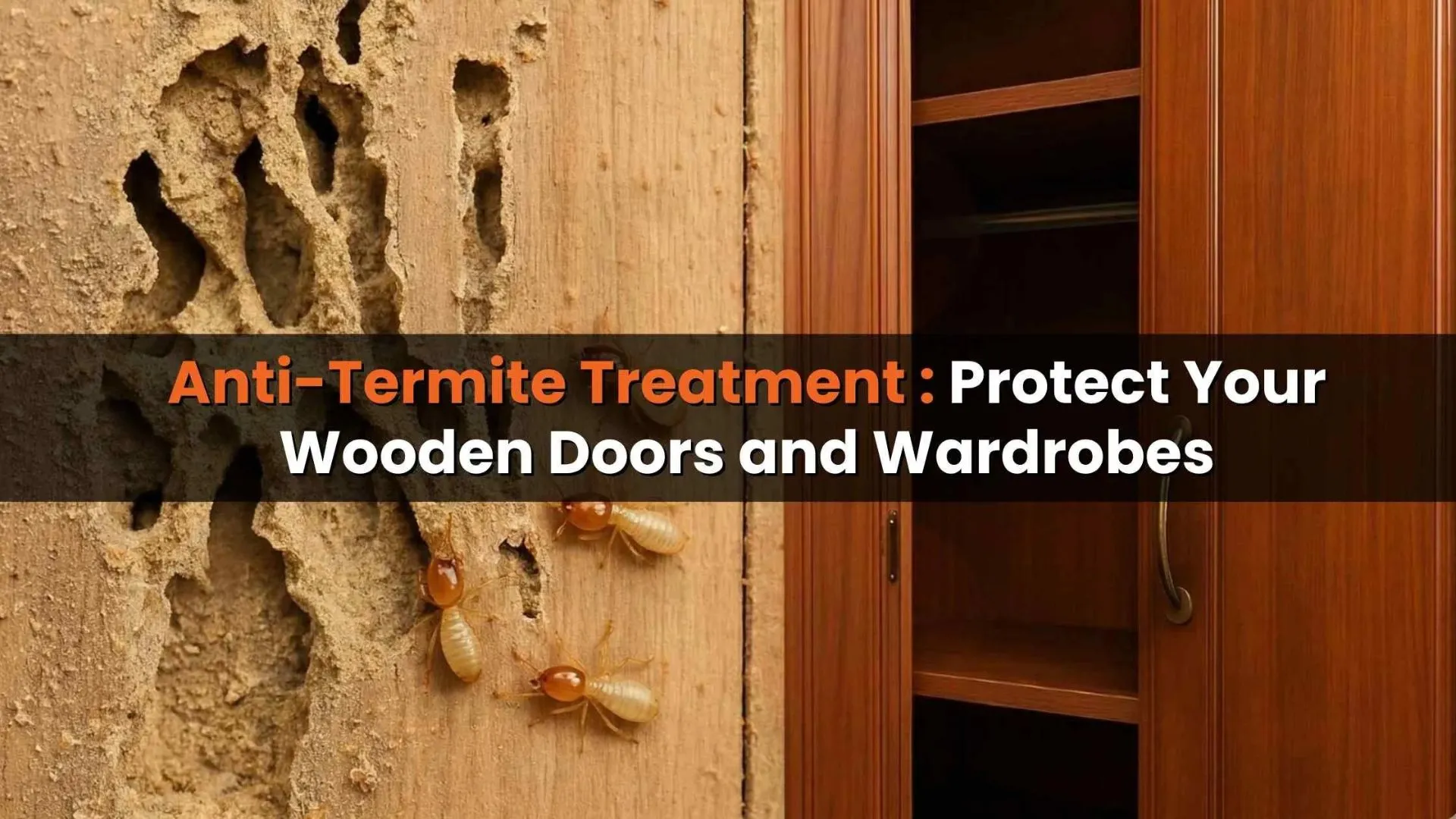
- How to Protect Wooden Doors and Wardrobes
- DIY vs Professional Treatment
- Hidden Costs to Watch Out For
- How to Calculate Your Treatment Cost
- How to Reduce Costs Without Compromising Quality
- Conclusion
People only begin to think about anti-termite treatment when they experience problems with their wooden structures. Maybe you knock on a wooden door one morning and it sounds strangely hollow. You can observe a faint trail of sawdust near the skirting. The damage has already reached an advanced stage by that time. The first practical question needs to be answered through two different situations. People want to know what the total costs will be.
The situation requires multiple solutions because one answer cannot resolve the problem. The rates start at ₹3 and reach ₹25 per square foot because different factors including your location and house condition and the selected method determine pricing. The cost of home treatment for a 2 BHK flat ranges between ₹3,500 and ₹5,000. The construction work will cost between ₹5,600 and ₹10,000 for you.
The guide presents all information in simple terms which do not include any technical vocabulary. The guide gives readers precise information about what to request from others, which payment amount to expect as reasonable, and which things they should observe.
What Determines Anti-Termite Treatment Cost?
1. Treatment Method
The method you choose is the single biggest cost driver:
- ₹3–₹8 per sq ft. Post-construction (Drill-Fill-Seal)
- ₹8–₹25 per sq ft. Pre-construction soil barrier
- ₹12–₹20 per sq ft. Anti-Termite Piping System (ATPS)
- ₹15–₹30 per sq ft. Bait stations
- site-specific quote Spot treatment (furniture/wardrobes)
2. Property Size and Complexity
Think of it this way, a bigger home means more ground to cover, more chemicals to pump in, and more hours for the technician on site. That all adds up. And if you own an independent house with a basement or a crawl space underneath, expect to pay around 15–20% more than what a standard apartment in the same city would cost. Those hidden spaces are exactly where termites love to settle in first.
3. Severity of Infestation
Preventive treatment on a new flat is far cheaper than treating an active, advanced infestation. Structural damage requiring multiple sessions can push costs 40–60% above the standard rate.
4. City and Labour Charges
|
City |
Labour Rate Per Sq Ft (Approx.) |
|
Mumbai |
₹12–₹18 |
|
Delhi / NCR |
₹10–₹16 |
|
Bengaluru |
₹10–₹15 |
|
Hyderabad / Pune |
₹9–₹14 |
|
Chennai |
₹9–₹13 |
|
Kolkata |
₹8–₹13 |
|
Tier 2 Cities |
₹5–₹9 |
5. Chemical Grade
Basic chlorpyrifos treatments cost less than premium fipronil or imidacloprid applications. Licensed and GreenPro-certified providers typically charge 10–20% more than local operators.
Also Read: Painting Cost Per Sq Ft in India 2026: Budget Guide for Homes
Anti-Termite Treatment Cost by Property Size
|
Property Type |
Area |
Pre-Construction |
Post-Construction |
ATPS |
|
1 BHK |
400–600 sq ft |
₹3,200–₹6,000 |
₹1,200–₹1,500 |
₹4,800–₹9,000 |
|
2 BHK |
700–1,000 sq ft |
₹5,600–₹10,000 |
₹3,500–₹5,000 |
₹8,400–₹15,000 |
|
3 BHK |
1,100–1,400 sq ft |
₹8,800–₹14,000 |
₹5,000–₹7,500 |
₹13,200–₹21,000 |
|
4 BHK / Bungalow |
1,500–3,000+ sq ft |
₹12,000–₹30,000 |
₹7,500–₹18,000 |
₹18,000–₹45,000 |
Types of Anti-Termite Treatment in India
Pre-Construction Treatment
Applied during the building phase before flooring is completed. A chemical barrier exists in the soil at the foundation and plinth and wall locations. The solution which provides the best long-term value requires IS 6313 compliance according to multiple Indian states. The warranty period lasts between 5 and 10 years.
Post-Construction Treatment (Drill-Fill-Seal)
The process involves drilling small holes into floors and walls to inject termiticide under pressure before sealing the holes with cement. This method serves as the official solution for all existing houses that have active or potential termite infestations. The warranty period extends from three to five years.
Anti-Termite Piping System (ATPS)
A network of 16–18mm PVC pipes is embedded along the home's perimeter during or shortly after construction. Periodic refilling every 12–24 months eliminates the need for drilling. Best long-term ROI for new builds. Warranty: 10+ years with regular refills.
Spot Treatment
Chemical solutions applied directly to infested furniture, wooden doors, or wardrobes. Ideal for tenants or homeowners dealing with isolated infestations. Warranty: 1–2 years.
Bait Stations
The perimeter of the area needs to have slow-acting bait cylinders installed at its boundaries. The termites transport the bait to their nesting site which leads to their complete destruction. The process needs 3 to 5 monitoring visits which continue for a duration of 4 to 8 weeks. This choice represents the highest-cost alternative. The warranty duration extends from 2 to 3 years.
Also Read: Repair Cracks and Holes in Internal Walls Complete DIY & Professional Guide
How to Protect Wooden Doors and Wardrobes
Wooden furniture and door frames require a specific focus beyond a general home treatment:
- Teak, rosewood, and Sal wood offer natural resistance. Avoid untreated pine in high-humidity areas. Choose termite-resistant wood:
- Blocks moisture absorption, the primary factor that attracts termites to wood grain. Apply wood sealant every 1–2 years:
- Costs ₹200–₹500 per application and disrupts termite digestion on exposed wood surfaces. Use diluted boric acid spray:
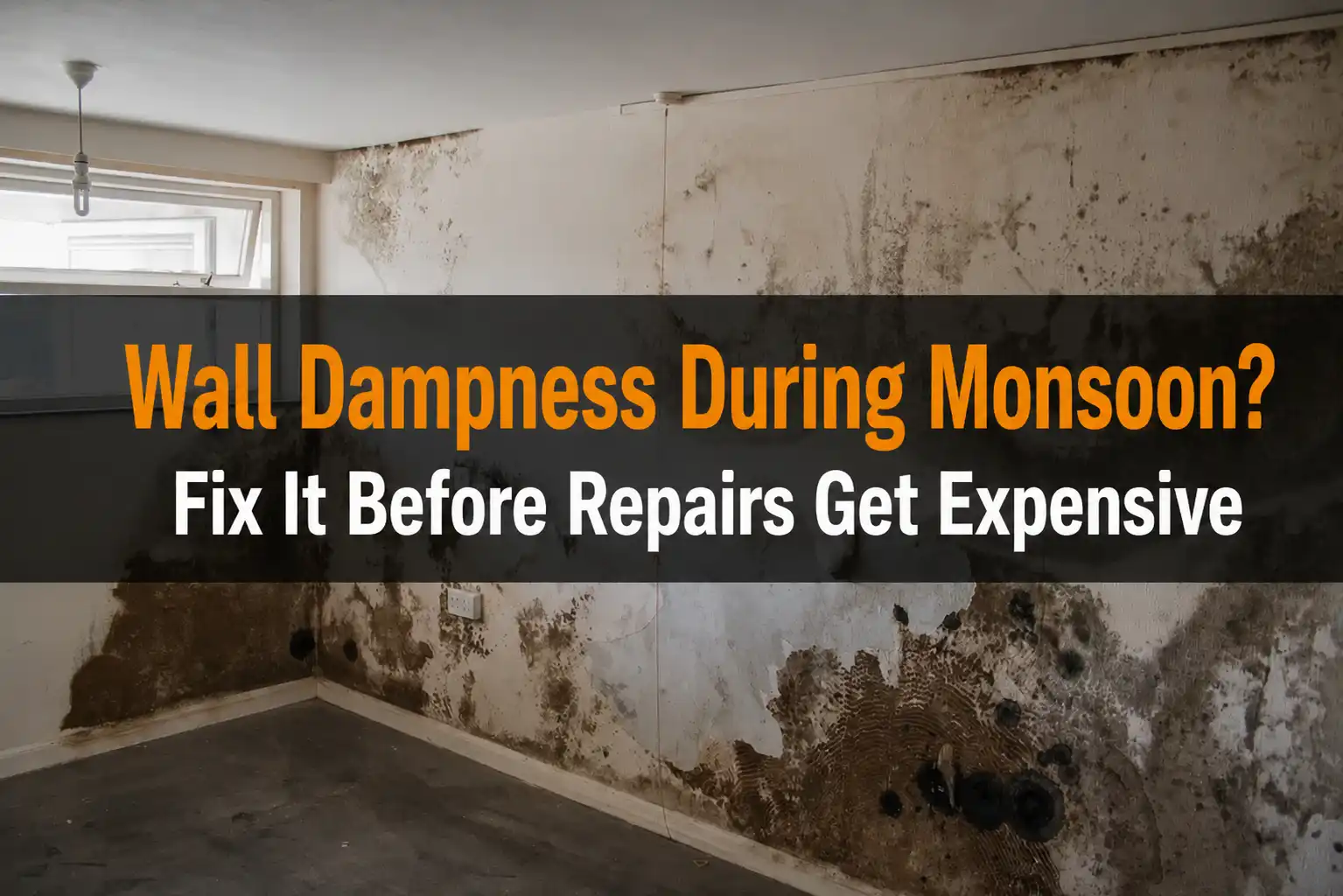
- Fix leaking pipes, seal wall-to-door-frame joints, and use a dehumidifier in damp rooms. Control moisture:
- Direct sunlight kills termites through heat. Particularly effective for freestanding wardrobes. Sun-expose movable furniture:
- Early-stage detection costs a fraction of treating a fully infested wardrobe worth ₹60,000–₹120,000. Book an annual professional inspection:
DIY vs Professional Treatment
|
Parameter |
DIY Treatment |
Professional Treatment |
|
Upfront Cost |
₹400–₹1,500 |
₹1,200–₹40,000+ |
|
Effectiveness |
Surface level only |
Deep structural penetration |
|
Warranty |
None |
1–5 years |
|
Re-treatment Needed |
Every 6 months |
Every 3–5 years |
|
Best For |
Mild preventive care |
Any active infestation |
For a new flat with no visible infestation, a boric acid preventive spray (₹400–₹900) is a reasonable interim step. If you notice hollow wood, mud tubes, or frass powder, call a licensed professional immediately.
Hidden Costs to Watch Out For
- Bait station monitoring visits cost ₹500–₹1,500 each. Repeat visit charges
- Switching from chlorpyrifos to fipronil adds ₹1,500–₹4,000. Chemical upgrades
- ₹2,000–₹5,000 per session, every 12–24 months. ATPS refilling
- Wood replacement due to infestation can cost ₹5,000–₹50,000+, not covered under warranty. Structural repairs:
- Confirm in writing whether drywood termites and furniture are included. Warranty fine print:
Always ask for an itemized quotation before work begins.
How to Calculate Your Treatment Cost
Formula: Total Cost = Treated Area (sq ft) × Rate per sq ft
Treated Area = Floor Area × 1.2 to 1.5 (accounts for walls, plinth, and perimeter)
Example: 2 BHK, 900 sq ft carpet area, post-construction treatment at ₹5/sq ft:
- Treated area = 900 × 1.3 = 1,170 sq ft
- Estimated total = 1,170 × ₹5 = ₹5,850
Use this formula to benchmark every contractor quote you receive before inviting a technician for a physical inspection.
How to Reduce Costs Without Compromising Quality
- Prices for the same 2 BHK can vary by 30–50%. Get at least three written quotes
- ₹8–₹25/sq ft today can save ₹50,000+ in future repairs. Choose pre-construction treatment for new homes
- for 20–30% savings on inspections and top-ups. Sign an Annual Maintenance Contract (AMC)
- for a 10–20% discount. Bundle with cockroach or bedbug treatment
- when prices are 10–15% higher. Book outside monsoon months (June–September)
Conclusion
The price for anti-termite treatment in India ranges from ₹3 to ₹8 per square foot for post-construction work and from ₹8 to ₹25 per square foot for pre-construction work. The expenses to rent a 2 BHK flat range from ₹3,500 to ₹10,000 based on the selected rental option. The best value for pre-construction treatment exists because it provides more benefits during a 10-year period than post-construction treatment, which requires higher initial expenses. The most effective method for treating current residential properties remains Drill-Fill-Seal. The most effective and cost-efficient method to address specific furniture issues requires using spot treatment. Before selecting any service provider you need to obtain complete written estimates which include details about the chemical products used and the total area covered and the number of treatment sessions and the warranty conditions.




Ans 1. Post-construction treatment averages ₹3–₹8 per sq ft including labour and standard termiticide. Pre-construction soil barriers run ₹8–₹25 per sq ft. A 2 BHK apartment typically costs ₹3,500 to ₹10,000 depending on the method chosen.
Ans 2. Multiply your floor area by 1.2 to 1.5. This covers the foundation soil, plinth, internal floors, and wall perimeter zones. A 900 sq ft carpet area flat has roughly 1,100–1,350 sq ft of treated surface.
Ans 3. Pre-construction treatment costs ₹8–₹25 per sq ft but lasts 7–10 years with minimal follow-up. Post-construction treatment costs ₹3–₹8 per sq ft but requires re-treatment every 3–5 years. Pre-construction works out cheaper over a 10-year period despite the higher upfront price.
Ans 4. Most modern termiticides are low-toxicity formulations approved under India's Insecticides Act. Vacate the premises for 4–6 hours after treatment and allow full ventilation. Always inform the technician about children, pets, or aquariums before treatment begins so the safest chemical grade is selected.
Ans 5. Post-construction chemical treatment lasts 3–5 years under standard conditions. Pre-construction treatment with quality termiticides lasts 7–10 years. ATPS piping systems last indefinitely as long as the pipes are refilled on schedule every 12–24 months.
Ans 6. Fipronil (Termidor) and imidacloprid (Premise SC) are the most effective for colony elimination due to their transfer effect, termites carry the chemical back to the nest. Chlorpyrifos and bifenthrin are cost-effective for preventive soil barriers. Always confirm the chemical brand in your written quotation.
Ans 7. Spot treatment for an individual wardrobe or set of wooden doors typically costs ₹800–₹2,500 depending on the surface area and severity of infestation. A full set of bedroom furniture including wardrobe, bed, and side tables may attract a combined charge of ₹2,000–₹5,000.
Ans 8. For surface-level prevention, DIY boric acid sprays or commercial termite sprays (₹200–₹900) can help. However, for any active infestation inside the wood, professional spot treatment is mandatory to eliminate the colony rather than just surface activity. DIY solutions do not penetrate deep wood grain.
Ans 9. Collect three written quotes before committing. Book outside peak monsoon months. Bundle with other pest control services for a discount. Sign an AMC plan for 20–30% savings on annual maintenance. Supply your own material after price verification to eliminate contractor mark-up if dealing with a trusted local technician.
Ans 10. Most standard home insurance policies in India do not cover termite or pest damage, as it is classified as a maintenance issue rather than sudden structural damage. Some comprehensive policies offer limited coverage, always review the specific exclusions clause in your policy document before assuming coverage.