
✦ AI Summary
Table of Content
▲- Why Ganga Expressway Is a Game-Changer
- Logistics and Warehousing Boom: The First Wave
- Residential Real Estate: The Silent Winner
- Rise of Tier II Cities as Economic Hubs
- Development Timeline: What to Expect
- Comparison: Impact Across Real Estate Segments
- Multimodal Connectivity: A Bigger Advantage
- Opportunities for Investors and Homebuyers
- Challenges to Watch Out For
- Final Thoughts
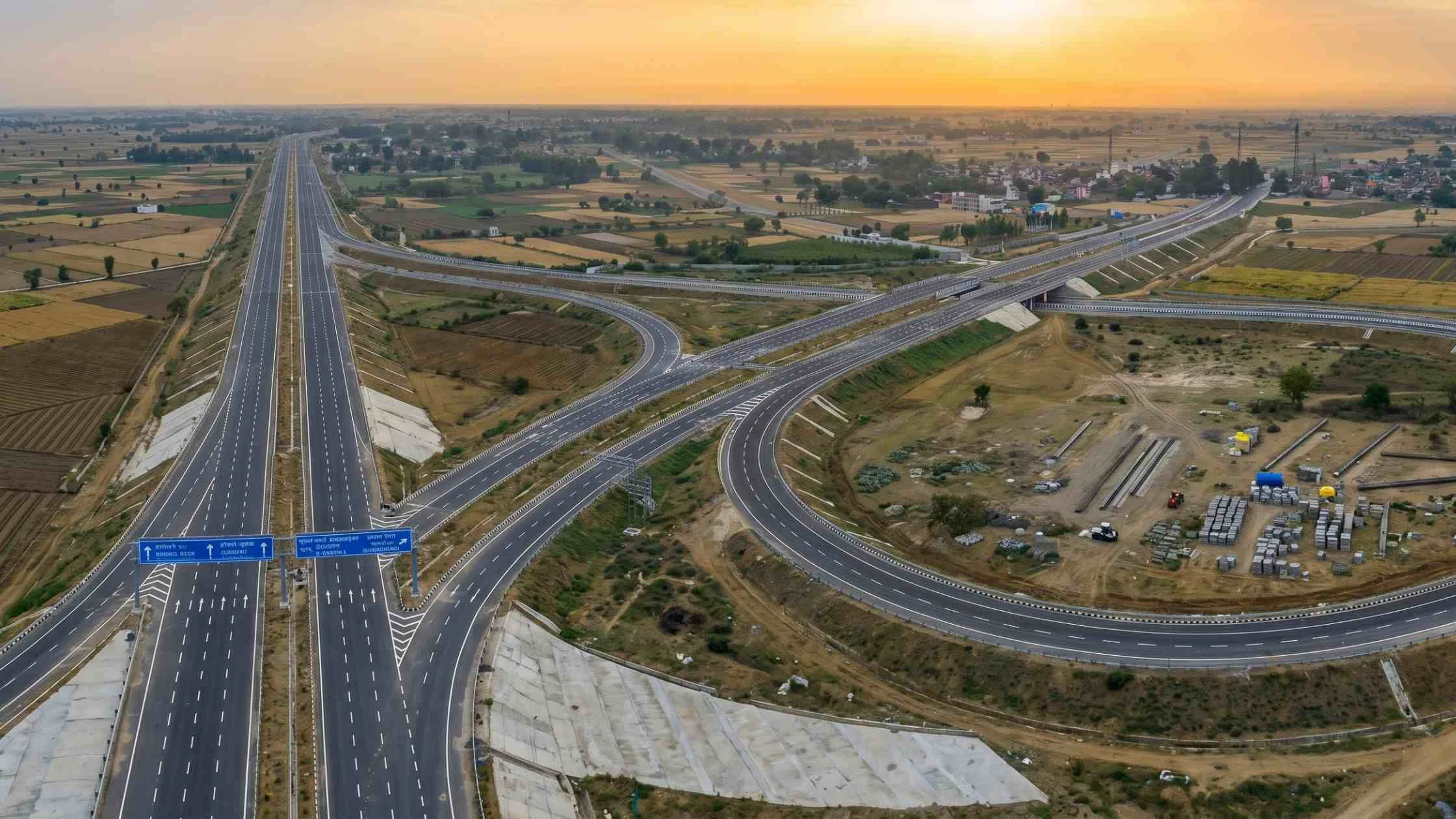
The Ganga Expressway is more than just a connectivity upgrade and it establishes a new direction for real estate development and industrial expansion throughout Uttar Pradesh. The high-speed corridor which measures approximately 594 kilometers that connects Meerut to Prayagraj will transform both logistics operations and warehousing facilities while creating new residential needs in Tier II and Tier III cities.
For decades, real estate growth in Uttar Pradesh was concentrated in a few urban pockets. The expressway creates a new growth pattern which develops through corridors to support decentralized development while assisting people to reach various development areas.
Why Ganga Expressway Is a Game-Changer
The infrastructural projects often do create the real estate cycles but the Ganga Expressway was quite an exception to it and discretion primarily because of the large scale and rightly identified alignment to industrial and economic corridors.
Key Highlights of the Expressway
- Connects 12 districts from Meerut, Hapur, Hardoi, and Prayagraj
- Six-grooves expandable to eight with a maximum speed of 120k/m/hr
- Will reduce travel time to approximately 40%, or 60%, on this route
- Connects all major corridors e.g. Purvanchal and Agra Lucknow Expressways
This improved connectivity is not just about faster travel, it directly impacts how goods move, where businesses operate, and where people choose to live.
Also Read: Delhi–Dehradun Expressway Opens Big Connectivity, Bigger Returns What Every Homebuyer Must Know
Logistics and Warehousing Boom: The First Wave
The most immediate impact of the Ganga Expressway will be visible in logistics and warehousing. Faster connectivity reduces transportation costs, making previously underdeveloped regions attractive for industrial use.
Why Logistics Demand Will Surge
- Reduced transit time improves supply chain efficiency
- Lower logistics costs attract manufacturers
- Better connectivity to ports and freight corridors
- Availability of large, affordable land parcels
Emerging Warehousing Hotspots
- Shahjahanpur and Hardoi for large-scale logistics parks
- Badaun and Sambhal for distribution hubs
- Pratapgarh and Unnao for cold storage and agro logistics
The establishment of Integrated Manufacturing and Logistics Clusters (IMLCs) will build an industrial ecosystem that produces continuous demand for warehousing facilities.
Residential Real Estate: The Silent Winner
While logistics may lead the initial growth cycle, residential real estate is expected to follow closely behind. As jobs and industries move into these regions, housing demand naturally rises.
Key Drivers of Residential Growth
- Employment generation through industrial clusters
- Improved connectivity to NCR and other cities
- Rising demand for affordable housing
- Growth of plotted developments and townships
Cities Likely to See Housing Demand Surge
- Meerut: Strong NCR spillover, emerging as a residential anchor
- Hapur & Unnao: Improved commute times attracting new buyers
- Prayagraj: Boost from tourism and infrastructure investments
- Rae Bareli & Amroha: Transitioning from rural to semi-urban housing markets
The expressway is also anticipated to push the development of integrated townships, where residential, commercial, and social infrastructure co-exist.
Rise of Tier II Cities as Economic Hubs
One of the biggest shifts triggered by the expressway is decentralization. Instead of metro cities dominating growth, smaller cities are now stepping into the spotlight.
How Tier II Cities Are Benefiting
- Emergence as secondary office hubs
- Increased participation from developers and investors
- Lower land costs attracting industries
- Better quality of life compared to metros
Meerut, Kanpur, and Prayagraj are not just marginal residential zones anymore; they are evolving into self-sufficient economic centers.
Development Timeline: What to Expect
The development of real estate along infrastructure corridors shows a predictable pattern which includes multiple phases of growth and the Ganga Expressway will develop through this same pattern.
Growth Phases Along Ganga Expressway
- 0–3 Years: Warehousing and logistics development
- 2–5 Years: Residential and commercial expansion
- 5+ Years: Mature real estate ecosystem with townships and offices
This phased development ensures long-term value creation rather than short-term speculation.
Comparison: Impact Across Real Estate Segments
|
Factor |
Logistics & Warehousing |
Residential Real Estate |
|
Growth Timeline |
Immediate (0–3 years) |
Gradual (2–5 years) |
|
Key Drivers |
Supply chain efficiency, industrial demand |
Employment, connectivity, affordability |
|
Investment Size |
Large-scale land parcels |
Individual and township projects |
|
Risk Level |
Moderate |
Low to moderate |
|
Return Potential |
High in early phase |
Strong long-term appreciation |
|
Key Locations |
Hardoi, Shahjahanpur, Badaun |
Meerut, Hapur, Prayagraj |
This comparison clearly shows that while logistics leads the growth cycle and residential real estate offers stable long-term returns.
Also Read: Kalyani Expressway 2026: Key Facts, Route Map & Advantages
Multimodal Connectivity: A Bigger Advantage
The Ganga Expressway's economic impact is amplified by its integration with other infrastructure investments that are simultaneously being developed or expanded across Uttar Pradesh. An expressway in isolation creates road connectivity. An expressway integrated with freight rail, waterways, and other expressways creates a multimodal logistics ecosystem, which is a fundamentally more powerful proposition for industrial location decisions.
Supporting Infrastructure Network
- Eastern Dedicated Freight Corridor
- National Waterway 1
- Yamuna Expressway
The multimodal connectivity improves transportation efficiency through its road, rail and waterway systems, establishing Uttar Pradesh as an efficient logistics and industrial center.
Opportunities for Investors and Homebuyers
The Ganga Expressway generates distinct business opportunities that work together with each other according to your specific needs and your expected time frame for investments.
For Investors
- Early entry into emerging markets
- High appreciation potential in Tier II cities
- Growing demand for warehousing assets
- Long-term rental income opportunities
For Homebuyers
- Affordable housing options in developing regions
- Better connectivity to job hubs
- Improved infrastructure and lifestyle
- Potential for future price appreciation
Challenges to Watch Out For
The upcoming period shows positive prospects but there are still existing obstacles. The corridor's growth potential needs to be evaluated through a complete risk assessment that identifies all potential factors which might hinder or postpone development.
Key Risks
- Delay in cluster development
- Uneven infrastructure rollout
- Dependence on industrial growth
- Speculative land buying in early stages
A careful, research-driven approach is essential before investing.
Final Thoughts
The Ganga Expressway functions more than a typical highway because it serves as a development engine for Uttar Pradesh's real estate market. The project establishes a sustainable development system through its simultaneous expansion of logistics and residential areas which enables industrial growth and job creation and housing development to progress together.
Tier II cities now serve as main contributors to state development for the first time in history. The corridor provides two main benefits to investors who seek early opportunities and to homebuyers who want affordable yet valuable properties. The upcoming ten years will see these emerging cities gain dominance because the expressway functions as their fundamental development infrastructure.

_1792140859.webp)

_1792151285.webp)
Ans 1. The expressway will increase demand for logistics warehousing and residential housing by improving connectivity reducing travel time and attracting industries across Tier II cities
Ans 2. Meerut, Hapur, Prayagraj, Kanpur, Shahjahanpur, Hardoi and Unnao are expected to see major growth in real estate and industrial development
Ans 3. Yes property prices are likely to rise due to better infrastructure industrial investment and increasing housing demand in connected regions.
Ans 4. It reduces transportation time and costs making it ideal for warehouses cold storage and distribution hubs across Uttar Pradesh
Ans 5. Job creation and improved connectivity will increase housing demand leading to growth in affordable housing plotted developments and townships
Ans 6. The expressway is approximately 594 kilometers long connecting Meerut to Prayagraj
Ans 7. Warehousing growth is expected in 0 to 3 years while residential and commercial development will follow in 2 to 5 years
Ans 8. Early investment can offer high appreciation potential especially in emerging Tier II cities and logistics hubs
Ans 9. It connects 12 districts and links major expressways creating a strong multimodal transport network
Ans 10. Yes improved infrastructure and industrial growth will transform Tier II cities into key residential and commercial hubs