
Table of Content
▲
AI is rapidly evolving Indian homes, transforming them from static spaces into dynamic, intelligent environments. From predictive security systems to energy-efficient AI solutions, homebuyers are exploring new possibilities. But are Indian buyers ready for this AI-driven revolution? In this article, we delve into the current state, challenges, and future of AI-integrated homes in India.
What Are AI-Integrated Homes?
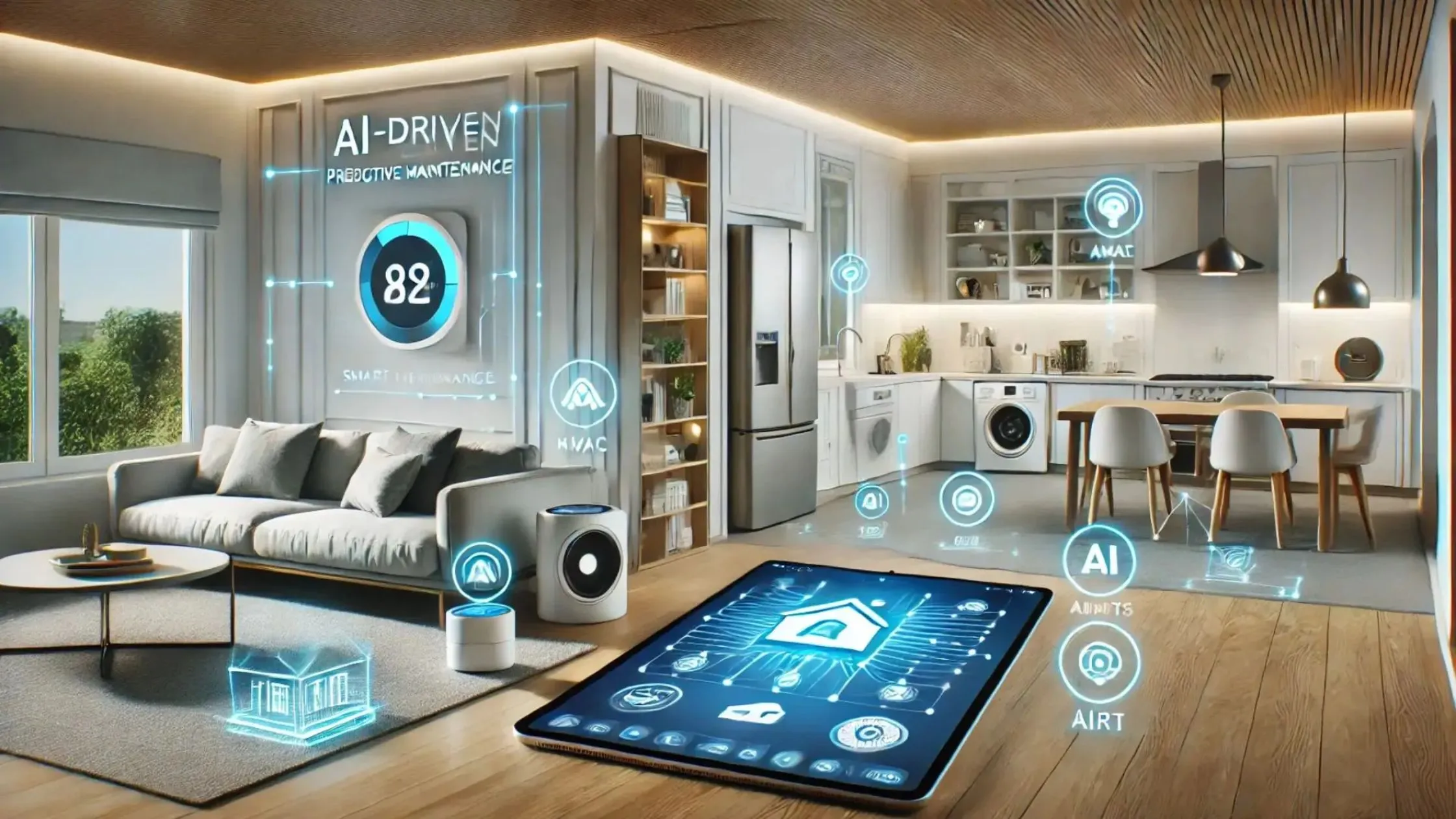
AI-integrated homes leverage artificial intelligence to automate, predict, and optimize everyday activities. Beyond smart switches and app-controlled devices, AI enables homes to learn and adapt to residents' behaviors, ensuring convenience, security, and energy efficiency.
Examples of AI Features in Indian Homes
- Smart Climate Control: AI adjusts temperature based on occupancy and preferences.
- Predictive Maintenance: Appliances alert users for servicing before failure.
- AI Security Systems: Cameras recognize familiar faces and unusual activities.
- Smart Energy Management: Optimizes electricity usage to save costs.
- Voice Assistants: Automate schedules, shopping, and household tasks.
Also Read: Best Home Security System Automation Ideas for Modern Homes
Why Are Indian Buyers Considering AI Homes?
Convenience
Urban families seek AI integration for time-saving and simplified living. Features like automated lighting, smart grocery reminders, and predictive home maintenance enhance daily life.
Sustainability
AI enables energy-efficient homes, reducing electricity consumption and carbon footprint. Systems that regulate usage in real time help reduce environmental impact.
Enhanced Security
AI-enabled surveillance, facial recognition, and predictive threat detection make homes safer and reduce manual monitoring.
Long-term Investment
Homes with integrated AI systems often retain higher resale value due to modern features and efficiency benefits.
Are Indian Home Buyers Ready for AI-Driven Living?
Market Readiness
- Metro Cities Lead Adoption: Mumbai, Bengaluru, and Delhi see higher demand for AI-integrated homes.
- Tier-2 Cities Lag: Limited infrastructure, affordability, and awareness slow adoption.
Affordability Challenges
- AI-enabled homes are often priced higher.
- Retrofitting older homes with AI is expensive.
Infrastructure Limitations
- Reliable high-speed internet is essential.
- Power reliability is critical for AI-dependent systems.
Awareness and Comfort
- Millennials and Gen Z are more tech-savvy and receptive.
- Older buyers often require training and support.
How Developers Are Shaping AI Homes in India
Smart Residential Projects
- Integration of AI from Planning Stage: Some projects incorporate predictive security and automated energy systems.
- Examples:
- Brigade Group in Bengaluru offers AI-enabled smart apartments.
- Godrej Properties integrates AI-driven building management in select Mumbai projects.
Operational Support
- Developers provide AI orientation sessions.
- Regular system maintenance ensures long-term functionality.
Value-Added Services
- Smart parking allocation.
- AI-assisted community management.
- App-based service requests and notifications.
AI and Sustainability: How Smart Homes Reduce Environmental Impact
|
Feature |
AI Function |
Benefit |
|
Energy Management |
Auto-regulates electricity based on occupancy |
15-20% savings on electricity bills |
|
Water Usage |
Monitors and predicts water consumption |
Reduces wastage by 10-15% |
|
Smart Lighting |
Adjusts lighting intensity |
Extends bulb life, saves energy |
|
HVAC Control |
Optimizes AC and heating schedules |
Reduces energy consumption and emissions |
Challenges in Adoption
- Cost Barriers: Premium pricing limits mass adoption.
- Infrastructure Dependency: Unstable internet or power outages hinder AI functionality.
- Technology Acceptance: Older generations may struggle with advanced systems.
- Security and Privacy: Data collected by AI systems raises privacy concerns.
Also Read: The Complete Guide to the Best Websites for Renting Your Home
Future of AI in Indian Homes
- AI as Standard Feature: Future homes may come with built-in AI systems.
- Affordable AI Solutions: Modular AI devices will allow gradual adoption.
- Integration with IoT: AI will work seamlessly across home appliances and infrastructure.
- Energy and Climate Optimization: AI will play a bigger role in sustainable urban living.
Conclusion
AI is steadily evolving Indian homes into intelligent, responsive living spaces. While metros show readiness for AI-driven living, affordability, infrastructure, and awareness remain barriers in Tier-2 cities. Developers and policymakers must focus on inclusive adoption to ensure the AI revolution in Indian real estate reaches a wider audience.






Ans 1. An AI-integrated home uses artificial intelligence to automate, monitor, and optimize daily activities such as lighting, security, climate control, and energy usage. Unlike basic smart homes, AI-enabled homes learn from user behavior and adjust settings automatically for better comfort and efficiency.
Ans 2. AI is transforming Indian homes into intelligent spaces that can predict maintenance needs, enhance security with facial recognition, manage electricity consumption, and automate household routines through voice commands and mobile apps.
Ans 3. Readiness is higher in metro cities where buyers are more tech-savvy and infrastructure is stronger. However, affordability concerns, internet reliability, and awareness levels still influence adoption, especially in Tier-2 cities.
Ans 4. Cities like Mumbai, Bengaluru, and Delhi are leading adoption due to higher disposable incomes, better connectivity, and greater exposure to technology-driven lifestyles.
Ans 5. Yes, AI-enabled homes typically have higher upfront costs because of advanced systems and installation expenses. Retrofitting older homes with AI technology can also be costly, although modular solutions are making adoption more flexible.
Ans 6. AI-powered security systems can detect unusual activities, recognize familiar faces, send real-time alerts, and reduce the need for constant manual monitoring, making homes safer and more responsive.
Ans 7. Yes, AI systems optimize energy usage by adjusting lighting, air conditioning, and appliances based on occupancy and habits, which can significantly reduce electricity consumption and lower monthly bills.
Ans 8. AI systems collect usage data to function effectively, which raises concerns about data security and privacy. Buyers should check data protection policies and choose trusted technology providers to minimize risks.
Ans 9. Developers like Brigade Group and Godrej Properties have introduced smart residential projects with AI-based features in select cities.
Ans 10. AI is expected to become a standard feature in new residential projects, with more affordable and modular solutions entering the market. As infrastructure improves and awareness grows, AI-driven living is likely to expand beyond metro cities.