
Table of Content
▲
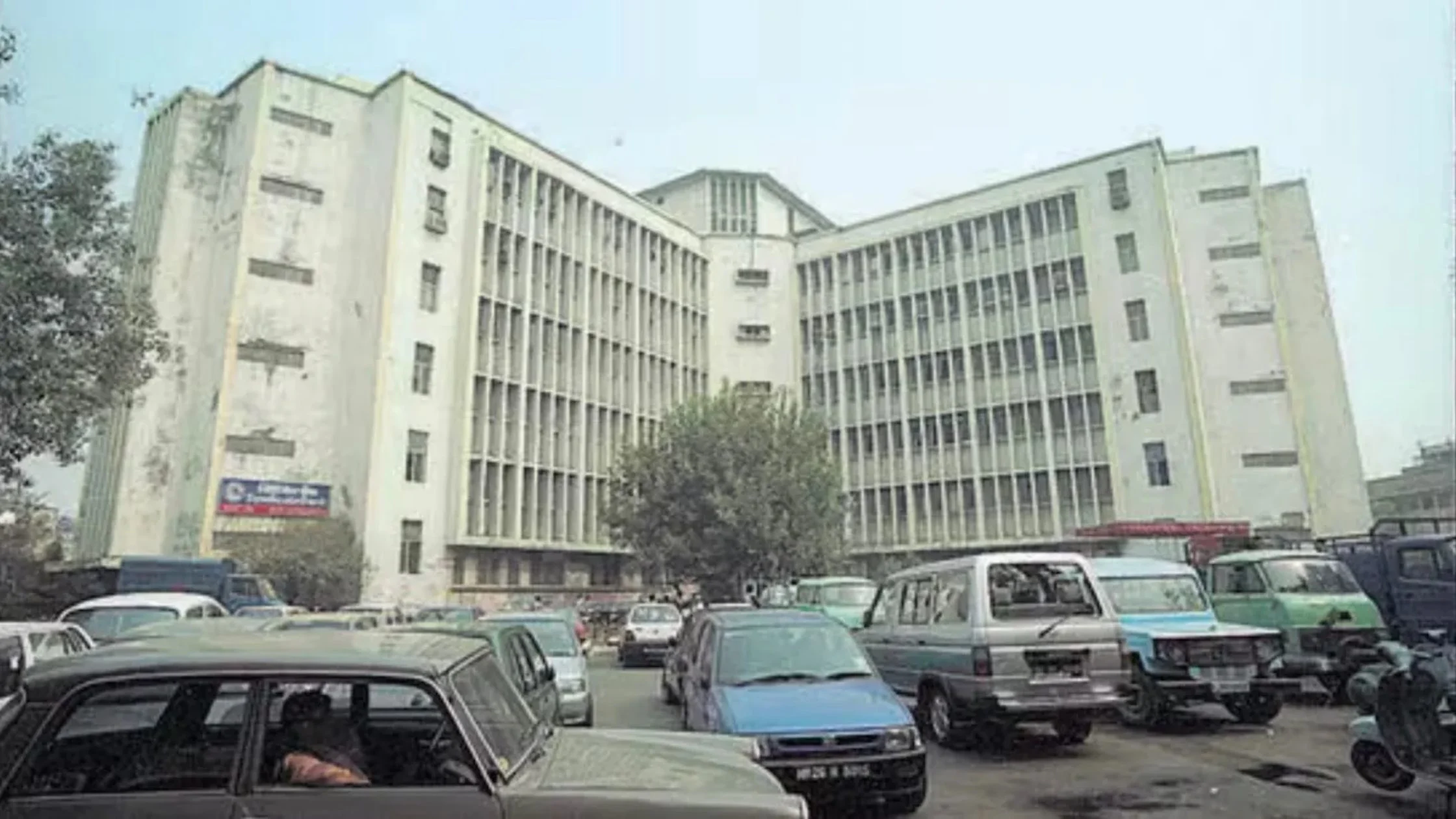
The iconic Connaught Place Super Bazar, once a bustling hub for Delhi’s middle-class shoppers, is set to undergo a major redevelopment as the New Delhi Municipal Council (NDMC) begins its revival process. The six-storey building on Connaught Place’s Outer Circle, India’s first modern superstore, is poised to get a complete makeover, blending its historical significance with modern commercial potential.
A Landmark’s Revival in the Heart of Delhi
The Connaught Place Super Bazar holds a unique place in Delhi’s retail and cultural history. Established in 1966, just after the 1965 India–Pakistan war, the store was designed as a people’s marketplace to provide affordable daily essentials. Its shelves stocked everything from subsidized sugar and palm oil to HMT watches, transistors, and later, computers — meeting the evolving needs of a growing metropolis. NDMC’s redevelopment plans aim to restore this landmark, making it relevant to today’s retail landscape while preserving its legacy.
Also Read: Housing Sales Dip in 2025; Bengaluru, Hyderabad, and Chennai Buck the Trend
Historical Significance of Connaught Place Super Bazar
Super Bazar was more than just a shopping destination; it was a reflection of Delhi’s socio-economic transformation. Serving middle-class families, it became a trusted source for everyday commodities, electronics, and household items. Its six-storey structure was one of India’s first modern supermarket formats, catering to a city transitioning toward modern retail. Over decades, it became embedded in Delhiites’ collective memory as a convenient and affordable marketplace.
Decline and Closure
Despite its popularity, the Super Bazar experienced a decline in the mid-1990s. Reports cite management inefficiencies, overstaffing, outdated business practices, and inadequate working capital as primary factors. The store eventually closed in 2002. A 2018 report by the Ministry of Consumer Affairs traced the challenges back to as early as 1996, emphasizing that poor strategic planning and a lack of competitive approach led to its downturn. The closure left a void in Connaught Place’s retail ecosystem, which NDMC now seeks to address.
NDMC’s Redevelopment Plans
The NDMC plans to place the redevelopment proposal for Connaught Place Super Bazar before its council in the coming weeks. While a final timeline is yet to be fixed, the project aims for a complete makeover of the six-storey structure. The site was allotted in 1962 by the Centre’s Land and Development Office (L&DO) with a clear mandate that it be used for commercial purposes. NDMC intends to honor this stipulation, ensuring the building continues as a shopping complex while enhancing its modern appeal.
The redevelopment will focus on preserving the landmark’s architectural integrity while updating it with contemporary retail facilities. “The Super Bazar redevelopment will revive a historic retail hub, offering modern shopping experiences without compromising its legacy,” said an NDMC official.
Connaught Place Retail Market Context
Connaught Place remains one of India’s most sought-after retail destinations. According to Cushman & Wakefield’s “Main Streets Across the World” report, rental growth in CP rose 14% year-on-year in 2025, reaching ₹1,250 per sq ft. Limited supply, strong demand, and the area’s heritage architecture contribute to its enduring appeal. Unlike other areas with modern malls, CP offers unmatched visibility, metro connectivity, and a loyal consumer base — factors that make the Super Bazar redevelopment a strategically valuable opportunity.
Strategic Importance of the Redevelopment
For brands and retailers, the redevelopment addresses a significant gap in Delhi’s prime retail market. The Connaught Place Super Bazar location offers unparalleled visibility and footfall, a combination that is increasingly rare in the city. Real estate experts highlight that new retail projects in CP are limited, making the revitalized Super Bazar an attractive destination for both national and international brands.
The project also aligns with broader trends in premium retail and heritage preservation. By modernizing the infrastructure while retaining its historical charm, the redevelopment can enhance commercial value and customer experience simultaneously.
Also Read: Pune Real Estate 2025: Registrations Dip 2.3%, Stamp Duty Hits ₹7,119 Cr
Expert Opinions and Market Outlook
Experts believe that NDMC’s initiative will reinforce Connaught Place’s status as a top retail hub in India. The redevelopment is expected to attract leading brands and high footfall, bridging the gap between heritage charm and contemporary retail needs. “The Super Bazar project combines nostalgia with modern retail potential, which is rare in India’s urban centers,” said a retail consultant.
As retail trends shift towards experiential shopping and mixed-use developments, the Super Bazar’s revival could set a benchmark for similar projects across the country, balancing heritage, commercial viability, and urban development.
Conclusion
The Connaught Place Super Bazar redevelopment is more than a real estate project; it is an opportunity to preserve a cultural landmark while enhancing Delhi’s retail landscape. NDMC’s plans promise a modern shopping hub that respects the building’s historical significance and caters to today’s consumers. Once complete, this revival is expected to position Connaught Place as an even more vibrant, premium retail destination while keeping the city’s rich heritage alive.
The redevelopment of Connaught Place Super Bazar underscores the balance between history and modernization, offering retailers and consumers a unique opportunity in Delhi’s heart.



Ans 1. The iconic Connaught Place Super Bazar is set for a major redevelopment by the New Delhi Municipal Council (NDMC). The six-storey building will be modernized with contemporary retail facilities while preserving its historical significance, making it a key shopping hub in Delhi once again.
Ans 2. The redevelopment aims to revive a historic retail landmark that was once a central shopping destination for Delhi’s middle-class families. NDMC plans to modernize the structure, enhance commercial value, and maintain its architectural legacy while addressing the growing demand for premium retail space in Connaught Place.
Ans 3. Super Bazar was established in 1966 as India’s first modern supermarket. It was designed to provide affordable daily essentials and became a popular shopping destination for Delhiites over several decades.
Ans 4. The store experienced a decline in the mid-1990s due to management inefficiencies, overstaffing, outdated practices, and insufficient working capital. It eventually closed in 2002, leaving a gap in Connaught Place’s retail ecosystem.
Ans 5. Connaught Place is one of India’s most sought-after retail destinations due to high footfall, metro connectivity, heritage architecture, limited supply of modern retail spaces, and strong rental growth. Revitalizing Super Bazar at this location offers unmatched visibility and commercial potential for brands.
Ans 6. Experts believe the project will attract national and international brands, boost footfall, and strengthen CP’s position as a top retail hub. It may also serve as a model for heritage preservation combined with modern commercial development in other Indian cities.
Ans 7. NDMC is preparing to place the redevelopment proposal before its council in the coming weeks. While a final timeline is yet to be fixed, the project is planned as a full-scale makeover of the six-storey structure.
Ans 8. Yes. The redevelopment is designed to modernize retail infrastructure without compromising the building’s historical significance, preserving its legacy as one of Delhi’s first modern supermarkets.
Ans 9. Both retailers and consumers will benefit. Retailers gain a prime, high-footfall location for national and international brands, while consumers can enjoy a modern shopping experience in a heritage-rich environment.