
Table of Content
▲- What Is the National Blockchain Property Register?
- Current Challenges in India’s Land and Property Records
- Raghav Chadha’s Proposal and Key Arguments
- How Blockchain Technology Works in Property Registration
- Global Examples: Sweden, UAE, and Georgia
- Potential Benefits for Homebuyers
- Impact on India’s Real Estate Sector
- Legal Perspective and Supreme Court Observations
- Challenges and Limitations of Implementation
- Future Outlook for India’s Property Ecosystem
- Conclusion
India’s land and property record system has long been criticised for its complexity, lack of transparency, and vulnerability to disputes. Millions of property transactions take place every year, yet issues such as unclear titles, fraudulent documents, and prolonged litigation continue to undermine trust in the real estate ecosystem. In this context, the idea of a National Blockchain Property Register has emerged as a transformative reform that could redefine how property records are created, stored, and verified in India.
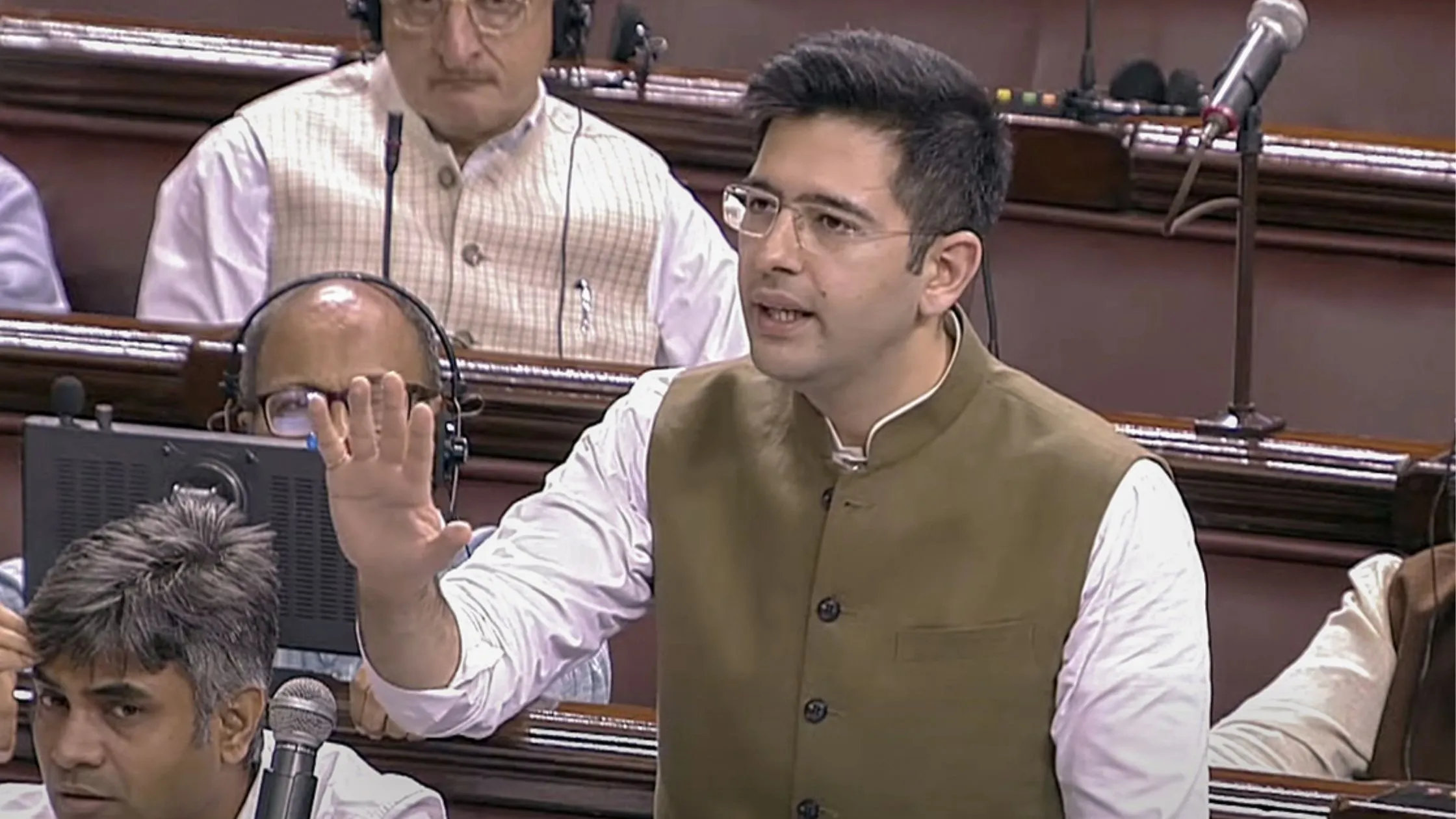
Rajya Sabha MP Raghav Chadha recently advocated the adoption of blockchain technology for property records, arguing that it could make land ownership data tamper-proof, transparent, and efficient. His proposal has reignited the debate on whether India is ready to adopt a technology-driven approach to property governance.
What Is the National Blockchain Property Register?
The National Blockchain Property Register refers to a nationwide digital system where land and property records are stored on a blockchain-based platform. Unlike traditional databases, blockchain technology creates a decentralised ledger where every transaction is permanently recorded and cannot be altered without consensus.
In simple terms, this system would ensure that every property transaction sale, inheritance, mutation, or transfer is recorded in a secure and traceable manner. By integrating blockchain with existing land records, the National Blockchain Property Register could provide a single, reliable source of truth for property ownership across India.
Also Read: Mumbai Real Estate: Registrations Drop in Jan 2026, Revenue Stays Strong
Current Challenges in India’s Land and Property Records
India’s property ecosystem faces several structural challenges that hinder transparency and efficiency. These include:
- Lack of clear property titles in a large share of land parcels
- High incidence of land-related disputes in civil courts
- Delays in property registration and verification processes
- Prevalence of fake documents and fraudulent transactions
- Dependence on intermediaries and middlemen
- Fragmented land record systems across states
These issues not only affect individual homebuyers but also discourage investment in the real estate sector. The National Blockchain Property Register is being viewed as a potential solution to these long-standing problems.
Raghav Chadha’s Proposal and Key Arguments
Raghav Chadha highlighted the urgent need for reform in India’s land record system during a parliamentary discussion. He argued that the National Blockchain Property Register could bring clarity and accountability to property transactions.
According to him, land-related disputes constitute a significant share of civil litigation in India, while a large percentage of properties lack clear titles or are already under dispute. He also pointed out that even simple property transactions often take months to complete, while legal disputes can take years to resolve.
By proposing the National Blockchain Property Register, Chadha emphasised the need to move from a fragmented and opaque system to a transparent and technology-driven framework.
How Blockchain Technology Works in Property Registration
Blockchain is essentially a distributed digital ledger that records transactions in a secure and immutable manner. In the context of property registration, blockchain can store detailed information about ownership history, transaction records, and legal status of properties.
Once data is recorded on the blockchain, it cannot be altered or deleted without leaving a trace. This feature makes the National Blockchain Property Register particularly effective in preventing fraud and ensuring data integrity.
Additionally, blockchain can enable real-time verification of property titles, reduce manual paperwork, and streamline the registration process for buyers, sellers, and authorities.
Global Examples: Sweden, UAE, and Georgia
Several countries have already experimented with blockchain-based property systems. Sweden has tested blockchain for land registry to improve efficiency and reduce transaction time. The UAE has integrated blockchain into government services to enhance transparency, while Georgia has implemented blockchain in land registration to strengthen property rights.
These examples demonstrate how the National Blockchain Property Register could be implemented in India with the right policy framework and technological infrastructure.
Potential Benefits for Homebuyers
For homebuyers, the National Blockchain Property Register could offer multiple advantages:
- Faster and more reliable property title verification
- Reduced risk of fraud and duplicate sales
- Greater transparency in property transactions
- Lower dependence on intermediaries
- Improved confidence in property ownership
By ensuring secure and verifiable records, the National Blockchain Property Register could significantly improve the homebuying experience in India.
Impact on India’s Real Estate Sector
The introduction of the National Blockchain Property Register could have far-reaching implications for India’s real estate market. Developers, investors, and financial institutions could benefit from clearer titles and reduced legal risks.
Moreover, a transparent property record system could attract more domestic and foreign investment, enhance ease of doing business, and strengthen the overall credibility of the real estate sector.
Legal Perspective and Supreme Court Observations
The Supreme Court of India has repeatedly highlighted the weaknesses of the existing land record system. In recent judgments, the court clarified that property registration does not necessarily establish ownership, emphasising the need for a more robust framework for title verification.
The court also suggested that blockchain technology could serve as an alternative paradigm for integrating property registration with conclusive titling. This observation strengthens the case for the National Blockchain Property Register as a long-term reform.
Also Read: Karnataka’s Auto Land Conversion Reform: Key Impact on Homebuyers and Bengaluru Real Estate
Challenges and Limitations of Implementation
Despite its potential, implementing the National Blockchain Property Register across India would not be without challenges. Key concerns include:
- Integration of existing land records with blockchain systems
- Coordination between central and state governments
- High initial costs of technological infrastructure
- Need for legal and regulatory reforms
- Digital literacy and capacity building among stakeholders
Addressing these challenges will be crucial for the successful adoption of the National Blockchain Property Register.
Future Outlook for India’s Property Ecosystem
As India continues to digitise governance and public services, the National Blockchain Property Register could become a cornerstone of property sector reforms. While immediate implementation may be complex, gradual integration with existing systems could pave the way for a more transparent and efficient property ecosystem.
If executed effectively, the National Blockchain Property Register could redefine property ownership, reduce disputes, and enhance trust in India’s real estate market.
Conclusion
The proposal for a National Blockchain Property Register represents a bold vision for the future of India’s property governance. By leveraging blockchain technology, India has the opportunity to transform its land record system into a transparent, secure, and efficient framework.
For homebuyers, developers, and policymakers alike, the National Blockchain Property Register could mark a significant step toward resolving long-standing issues in property transactions. While challenges remain, the reform has the potential to usher in a new era of clarity and confidence in India’s real estate landscape.

_1792140859.webp)


_1792151285.webp)

Ans 1. It is a nationwide digital system that uses blockchain technology to store property records securely, making them tamper-proof and transparent.
Ans 2. Blockchain ensures that every transaction is permanently recorded, verifiable, and cannot be altered without consensus, reducing fraud and delays.
Ans 3. Challenges include unclear titles, legal disputes, fake documents, fragmented state records, and reliance on intermediaries.
Ans 4. Homebuyers, developers, investors, and financial institutions benefit from faster title verification, transparency, and lower legal risks.
Ans 5. Yes, the immutable nature of blockchain reduces the risk of duplicate sales, fake ownership claims, and document tampering.
Ans 6. Yes, Sweden, the UAE, and Georgia have implemented blockchain in land registries to improve efficiency, transparency, and secure ownership.
Ans 7. Implementation will face challenges such as integrating existing records, coordination between central and state governments, legal reforms, and high initial costs.
Ans 8. It provides secure, verifiable, and transparent property records, giving buyers trust in ownership and reducing dependency on intermediaries.
Ans 9. The Supreme Court has highlighted weaknesses in the current system and suggested technology-driven solutions like blockchain for conclusive title verification.
Ans 10. It could reduce disputes, attract investment, improve ease of doing business, and strengthen credibility and transparency in the market.