
Table of Content
▲
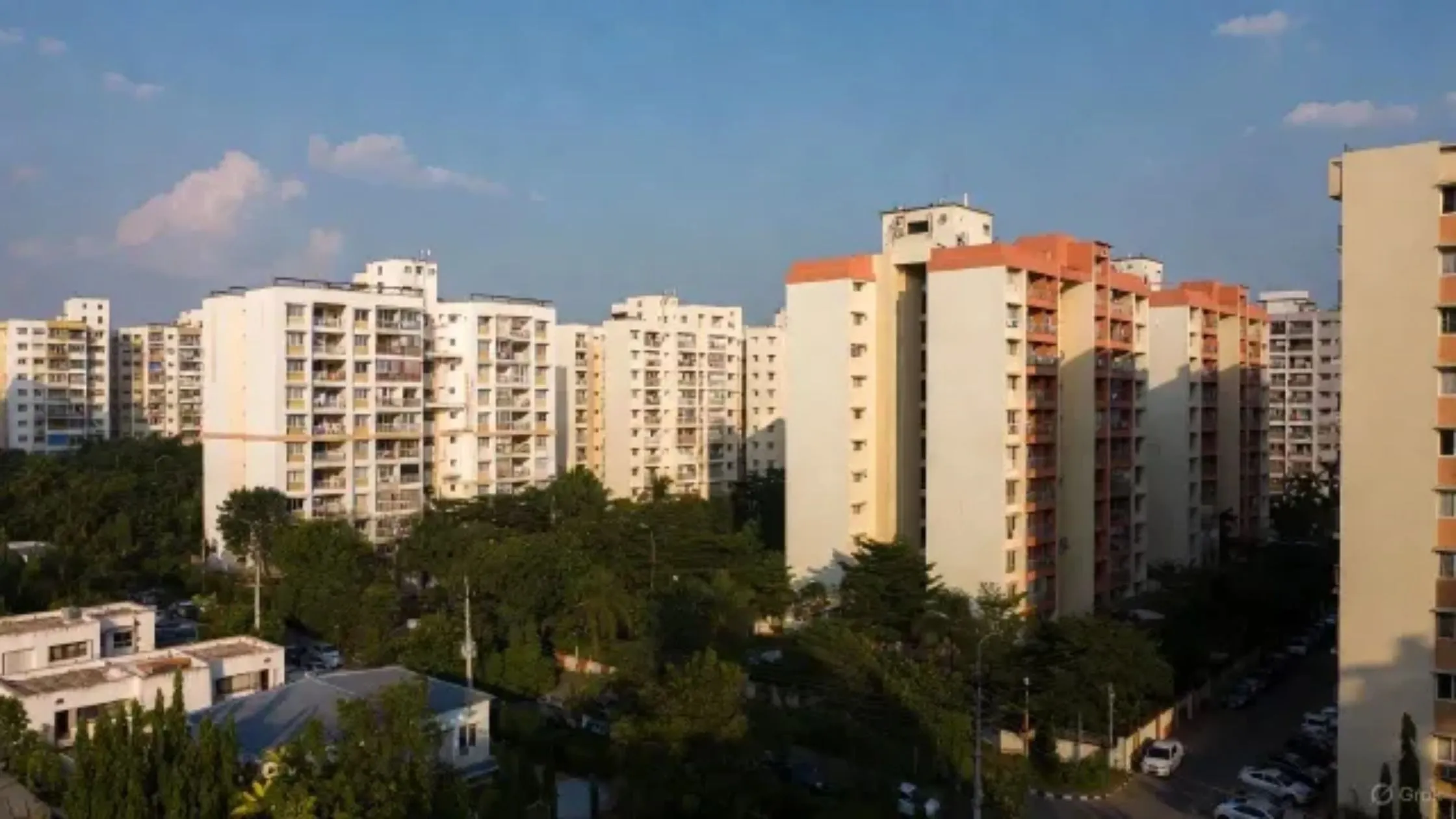
The Karnataka government has initiated steps to introduce the Karnataka Apartment Bill 2025, a long-awaited legislative reform aimed at strengthening the rights of apartment owners and residents across the state. The move comes at a crucial time, particularly for Bengaluru, where apartments have become the dominant form of urban housing.
The proposed Karnataka Apartment Bill 2025 seeks to address long-standing legal ambiguities surrounding ownership rights, common areas, maintenance, and dispute resolution issues that have troubled apartment residents for decades.
Bengaluru’s Apartment Growth Drives Policy Rethink
Speaking during a special interaction with homebuyers’ forums at Vidhana Soudha, Deputy Chief Minister D K Shivakumar highlighted the urgency behind the proposed law. He pointed out that nearly 19% of Bengaluru’s population now lives in apartments, underscoring how critical apartment governance has become for the city’s overall urban management.
Shivakumar noted that while Bengaluru has expanded rapidly, apartment-related laws have remained largely unchanged since the early 1970s. The Karnataka Apartment Bill 2025, he said, is intended to correct this imbalance and bring the legal framework in line with present-day realities.
Also Read: Yeida Evaluates RRTS Route from Sarai Kale Khan to Noida Airport
Consultations Underway With Apartment Residents
The state government has begun consultations with apartment owners, residents’ welfare associations, and homebuyers’ groups to gather feedback before finalising the Karnataka Apartment Bill 2025. Residents who are unable to attend meetings have also been invited to submit suggestions via email within a stipulated timeline.
According to the Deputy Chief Minister, the objective is to ensure that the legislation reflects ground-level challenges faced by apartment communities, rather than remaining a purely administrative reform.
Why a New Apartment Law Is Being Considered
The push for the Karnataka Apartment Bill 2025 stems from persistent structural flaws in the existing legal framework. Experts and resident bodies argue that the decades-old Karnataka Apartment Ownership Act, 1972, no longer serves the needs of modern apartment living.
One major concern is that many apartment associations are registered under the Karnataka Societies Registration Act, 1960. Following rulings by the Karnataka High Court, such associations are legally restricted from collecting maintenance charges leaving them without a sustainable financial mechanism to manage common facilities.
Additionally, the absence of a formally notified competent authority under the 1972 Act has forced apartment residents to approach courts even for routine disputes, increasing litigation and uncertainty.
Legal Ambiguities Around Land and Common Areas
Legal experts have also flagged unresolved questions around land ownership and the transfer of common areas to apartment owners. The lack of clarity on how and when land rights are transferred has often resulted in disputes between developers, residents, and authorities.
The Karnataka Apartment Bill 2025 is expected to bring coherence by aligning multiple housing laws and defining ownership structures more clearly. This could significantly reduce conflicts and provide residents with stronger legal standing.
How the Karnataka Apartment Bill 2025 Could Help Homebuyers
Homebuyers’ organisations believe the proposed law will bring much-needed transparency and accountability. According to Bangalore Apartments’ Federation, the Karnataka Apartment Bill 2025 is expected to clearly define common area ownership, enable structured maintenance collection, and establish a dedicated grievance redressal system.
By introducing a competent authority and standardising apartment governance, the Bill could reduce dependence on lengthy court battles and empower residents to resolve disputes more efficiently.
Also Read: Chandigarh Housing Board’s Sector 53 Land Sale Plan Draws Resident Backlash
What Comes Next
While the final draft of the Karnataka Apartment Bill 2025 is still under consultation, the government has signalled a strong intent to modernise apartment laws. Once stakeholder feedback is incorporated, the Bill is expected to be placed before the legislature for approval.
For thousands of apartment owners across Karnataka, the proposed legislation represents a long-overdue opportunity to move towards transparent, resident-friendly, and legally sound apartment governance.
Conclusion
As apartment living becomes the backbone of urban housing in Karnataka, the Karnataka Apartment Bill 2025 could mark a decisive shift in how residential communities are governed. If implemented effectively, it has the potential to resolve decades-old legal confusion, protect homebuyers’ interests, and create a more sustainable framework for managing apartment ecosystems in fast-growing cities like Bengaluru.



Ans 1. The Karnataka Apartment Bill 2025 is a proposed law aimed at modernising apartment ownership, governance, and dispute resolution in Karnataka. It seeks to replace outdated provisions under the 1972 Act and address issues faced by apartment residents today.
Ans 2. The existing apartment law dates back to the 1970s and does not reflect current realities such as large gated communities, complex common facilities, and multi-phase developments. The new Bill aims to remove legal ambiguities, reduce disputes, and strengthen homebuyer rights.
Ans 3. According to statements made during government consultations, nearly 19% of Bengaluru’s population currently lives in apartments, making apartment governance a critical urban issue.
Ans 4. Key issues include unclear ownership of common areas, difficulty in legally collecting maintenance charges, lack of a competent authority, and the need to approach courts even for minor disputes.
Ans 5. Many associations are registered under the Societies Registration Act. Court rulings have restricted such societies from collecting maintenance, leaving them without a clear legal mechanism to manage common services.
Ans 6. The Bill is expected to clearly define common area ownership, enable lawful maintenance collection, establish a competent authority, and introduce a structured grievance redressal system.
Ans 7. The consultation process is being led by D K Shivakumar, who has invited feedback from apartment owners, RWAs, and homebuyers’ groups.
Ans 8. Yes, one of the objectives of the Karnataka Apartment Bill 2025 is to reduce litigation by creating clear rules and a dedicated authority for resolving apartment-related disputes.
Ans 9. Yes, legal experts expect the Bill to clarify how land and common areas are transferred to apartment owners, which is currently a major source of conflict between developers and residents.
Ans 10. The Bill is currently under stakeholder consultation. After incorporating feedback, it is expected to be placed before the state legislature for approval, though an exact timeline has not yet been announced.