
Table of Content
▲- Delhi-NCR AQI Levels Highlight the Urgency
- Why Wellness Homes Are Gaining Attention
- What Clean-Air Features Are Developers Offering?
- Expert View: Do These Features Actually Improve Air Quality?
- Wellness Homes vs True Sustainability
- Construction Practices Also Matter
- What Homebuyers Should Evaluate Before Choosing a Wellness Home
- Conclusion
Air pollution has moved from being a seasonal inconvenience to a year-round concern in the Delhi-NCR region. With the Delhi-NCR AQI frequently slipping into ‘poor’, ‘very poor’, and even ‘severe’ categories, clean air is no longer just a public health discussion it has become a key factor influencing homebuying decisions.
In recent months, several real estate developers across the region have begun promoting their projects as wellness homes or clean-air residences. Features such as urban forests, centralised fresh-air systems, air filtration technologies, and green buffers are increasingly highlighted as solutions to rising pollution levels. But while these offerings appear reassuring, experts caution that buyers must look beyond marketing claims and understand what actually makes a meaningful difference.
Delhi-NCR AQI Levels Highlight the Urgency
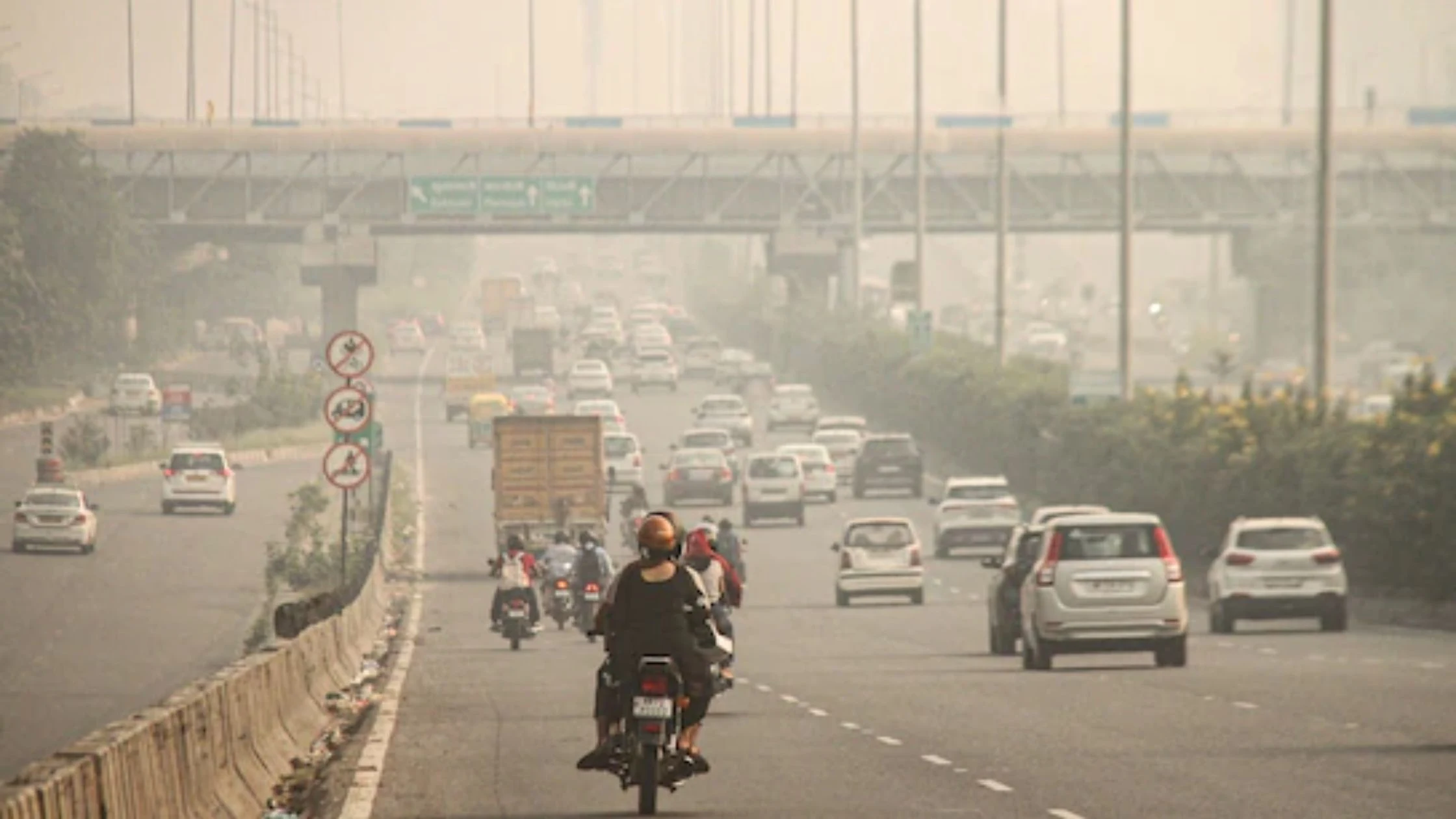
The seriousness of the situation becomes clear when one looks at official pollution data. According to readings from the Central Pollution Control Board via the Sameer platform, the Delhi-NCR AQI has frequently crossed the ‘severe’ threshold during winter months, with early-morning readings touching levels above 450.
As per standards defined by the Central Pollution Control Board, AQI categories are classified as:
- 0–50: Good
- 51–100: Satisfactory
- 101–200: Moderate
- 201–300: Poor
- 301–400: Very Poor
- 401–500: Severe
At severe levels, prolonged exposure can aggravate respiratory illnesses, trigger cardiovascular issues, and significantly reduce quality of life. This reality has pushed homebuyers to prioritise healthier indoor environments alongside traditional considerations like location and pricing.
Also Read: Uttar Pradesh Waives Permit Fees for Small Plots Under New Building Byelaws
Why Wellness Homes Are Gaining Attention
Post-pandemic, health has become central to housing decisions. What was once limited to checking ventilation or balcony access has expanded into concerns around indoor air quality, filtration, and long-term exposure to pollutants.
Developers argue that wellness-focused design interventions can help create cleaner micro-environments even when the surrounding Delhi-NCR AQI remains high. These projects aim to reduce indoor pollutant levels and offer residents some relief from the city’s harsh air conditions.
However, planners point out that while such features improve liveability, they cannot single-handedly solve a region-wide pollution crisis.
What Clean-Air Features Are Developers Offering?
Several developers in Delhi-NCR have introduced advanced systems and nature-centric layouts to address pollution concerns.
Filtered Fresh-Air Systems
Godrej Properties has implemented Centrally Treated Fresh Air (CTFA) systems in select projects, which draw outdoor air, filter fine particulate matter like PM2.5, and supply cleaner air indoors. These systems are designed to work alongside energy-efficient HVAC technologies to maintain indoor comfort.
At projects such as Godrej South Estate on Mathura Road, these systems are integrated with VRF air-conditioning to reduce pollutants, volatile organic compounds, and carbon dioxide levels inside homes.
Advanced Air Purification Technologies
In Gurugram, projects like Godrej Air feature apartment-level purification units that continuously filter incoming air. Meanwhile, Godrej Nature Plus in Sohna uses multi-stage air purification technologies that combine particulate filtration with UV-based oxidation to improve overall indoor air hygiene.
Nature-Centric Developments
Max Estates has taken a different approach. Its Estate 361 project in Sector 36A, Gurugram, is designed around a central forest ecosystem. Spread across hundreds of thousands of square feet, the development integrates indigenous tree species intended to act as natural pollution buffers.
According to the developer, the goal is not simply to surround homes with greenery, but to build residential spaces around nature itself.
Expert View: Do These Features Actually Improve Air Quality?
Environmental experts agree that green and wellness features can help but only under the right conditions.
Pravinjith KP, a civil engineer and sustainability consultant, explains that dense plantations such as Miyawaki forests can reduce the entry of certain pollutant particles into residential areas. However, their effectiveness depends on proper species selection, irrigation, and long-term maintenance.
“These are not one-time installations,” he notes. “Without consistent upkeep, their benefits diminish quickly.”
Experts also point out that many buyers focus on visible green features without evaluating actual performance. In the context of the Delhi-NCR AQI, buyers should be asking:
- How much PM2.5 reduction is achieved indoors?
- Are air-filtration systems regularly maintained?
- What are the long-term operational costs?
Poor maintenance can turn high-tech wellness systems into expensive, ineffective add-ons.
Wellness Homes vs True Sustainability
Urban planners argue that wellness features alone cannot offset structural issues contributing to poor air quality.
“True sustainability is systemic,” says architect and urban planner Dikshu C Kukreja. “You cannot fix air quality without fixing how cities are planned.”
Long daily commutes, urban sprawl, and dependence on private vehicles significantly worsen the Delhi-NCR AQI. As long as residents are forced to travel long distances for work, education, and healthcare, isolated residential solutions will have limited impact.
This thinking has influenced transit-oriented developments that combine housing, offices, public amenities, and mass transit within walkable distances. By reducing commute lengths and encouraging public transport, such planning approaches tackle pollution at scale rather than treating symptoms.
Construction Practices Also Matter
Air quality impact doesn’t begin after possession—it starts during construction. Experts highlight the importance of dust-control measures such as:
- Covered material handling
- Wheel-washing systems
- On-site dust suppression
- Continuous air-quality monitoring
Responsible construction practices help prevent further deterioration of the Delhi-NCR AQI during project implementation.
Also Read: Top 10 Indian Cities with Green AQI for Health and Real Estate Opportunities
What Homebuyers Should Evaluate Before Choosing a Wellness Home
Before paying a premium for clean-air housing, buyers should look beyond marketing brochures and ask practical questions:
- Are air-filtration systems certified and measurable?
- Who bears the maintenance cost over time?
- How often are filters replaced?
- Is the project integrated with public transport?
- Does the design reduce long-term dependency on cars?
Wellness should be assessed as a long-term commitment, not a cosmetic feature.
Conclusion
The rising Delhi-NCR AQI has undoubtedly pushed wellness housing into the spotlight. Clean-air features, green buffers, and advanced filtration systems can improve indoor comfort and reduce exposure, but they are not a complete solution.
Lasting improvement in air quality will come from better urban planning, reduced commute distances, cleaner construction practices, and sustainable city systems. For homebuyers, the key is balance: choosing homes that genuinely support healthier living while recognising that cleaner air ultimately depends on how cities themselves evolve.






Ans 1. With the Delhi-NCR AQI frequently falling into poor and severe categories, air quality has become a daily health concern. Homebuyers are now factoring in indoor air quality, ventilation, and pollution protection alongside location, price, and amenities.
Ans 2. Clean-air or wellness homes are residential projects designed to improve indoor air quality through features like fresh-air filtration systems, air purifiers, green buffers, and better ventilation, offering some relief from outdoor pollution.
Ans 3. Wellness features can reduce indoor pollutants such as PM2.5 when properly designed and maintained. However, experts stress that their effectiveness depends on system quality, regular maintenance, and correct implementation rather than marketing claims alone.
Ans 4. Developers are using centrally treated fresh-air systems, apartment-level air purifiers, multi-stage filtration, and nature-based solutions like dense plantations to limit pollutant entry into indoor spaces.
Ans 5. Green buffers and urban forests can help block certain pollutants and dust, but their impact depends on plant selection, density, and long-term upkeep. Without maintenance, their air-quality benefits reduce significantly.
Ans 6. Wellness homes improve individual living conditions but cannot solve a region-wide pollution crisis. Experts agree that lasting improvement requires better urban planning, reduced travel distances, and lower dependence on private vehicles.
Ans 7. Air-filtration systems and green features need regular servicing and filter replacement. Poor maintenance can make these systems ineffective while increasing long-term costs for residents.
Ans 8. Paying a premium makes sense only if the project offers measurable air-quality improvements, certified systems, and a clear maintenance plan. Buyers should evaluate performance data rather than relying on visual or promotional claims.
Ans 9. Long commutes, urban sprawl, and car dependency significantly worsen air quality. Developments closer to workplaces, public transport, and essential services help reduce emissions at a city-wide level.
Ans 10. Buyers should check whether air-quality improvements are measurable, understand maintenance responsibilities and costs, and assess whether the project reduces long-term exposure through location and connectivity, not just indoor technology.