
Table of Content
▲- What is White Cement?
- White Cement Price in India
- White Cement vs Grey Cement: Key Differences
- Uses of White Cement
- Benefits of Using White Cement
- Popular White Cement Brands in India
- White Cement Putty: Price, Uses & Benefits
- How to Use White Cement (Step-by-Step Guide)
- Common Mistakes to Avoid While Using White Cement
- Where is White Cement Most Commonly Used?
- White Cement Alternatives
- Conclusion
White cement has become a popular choice among builders, architects, and homeowners looking to combine durability with aesthetic appeal. Unlike regular grey cement, white cement offers a bright, smooth finish that enhances interiors, facades, and decorative projects. In this guide, we explore everything you need to know about white cement, including price, uses, benefits, top brands, and application tips.
What is White Cement?
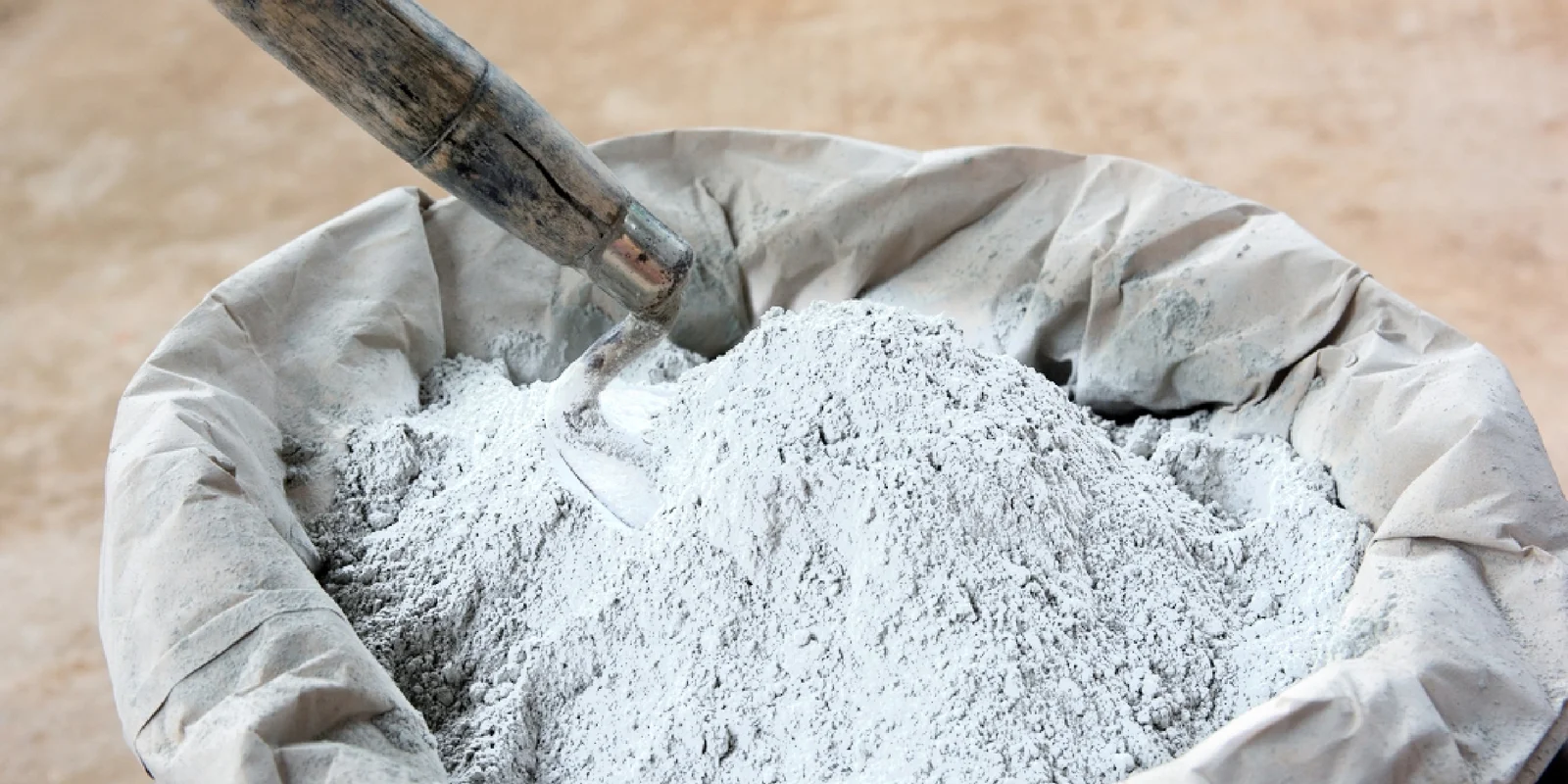
White cement is a type of Portland cement made from raw materials low in iron and other color-causing compounds. Its high whiteness, smooth finish, and versatility make it ideal for decorative and architectural applications.
Key Differences from Grey Cement:
- Color: Pure white, compared to grey in ordinary cement
- Aesthetic Finish: Smooth and elegant surfaces
- Setting Time: Quick setting suitable for both indoor and outdoor use
- Composition: Made with high-purity limestone, kaolin, silica, and gypsum
White cement is commonly used for surfaces where appearance is critical, such as interior walls, flooring, facades, and artistic structures.
Also Read: Whitewash vs Limewash: Understanding the Key Differences
White Cement Price in India
The price of white cement varies depending on brand, quality, and location.
National Price Range: ₹25–₹38 per kg
City-wise Prices:
- Mumbai: ₹28–₹38/kg
- Delhi: ₹26–₹36/kg
- Bengaluru: ₹27–₹35/kg
- Chennai: ₹26–₹34/kg
Factors Affecting Price:
- Brand reputation
- Type and grade of white cement
- Transportation and availability
- Bulk vs retail purchases
Bulk Purchase: Buying in bulk often offers a 10–15% discount.
White Cement vs Grey Cement: Key Differences
|
Feature |
White Cement |
Grey Cement |
|
Color |
White |
Grey |
|
Strength |
High |
High |
|
Applications |
Decorative, artistic, architectural |
Structural, general construction |
|
Cost |
Higher |
Lower |
|
Surface Finish |
Smooth, reflective |
Standard |
White cement is preferred for aesthetic and decorative work, while grey cement remains a cost-effective option for structural construction.
Uses of White Cement
White cement is highly versatile and widely used for:
- Interior Wall Finishes: Smooth walls with reflective surfaces
- Exterior Facades: Elegant look for modern buildings
- Decorative Works: Sculptures, statues, and architectural features
- Tile Fixing: Superior bonding with tiles
- POP & Putty Applications: Enhances finish and durability
- Flooring & Terrazzo: Bright, long-lasting floors
Benefits of Using White Cement
- High Aesthetic Value: Creates elegant and modern interiors
- Smooth Surfaces: Ideal for painting and finishing
- Better Light Reflection: Brightens spaces
- Artistic & Architectural Work: Perfect for sculptures and decorative elements
- Long-Lasting Finish: Resistant to weathering and fading
Popular White Cement Brands in India
Some of the top brands include:
- Birla White Cement: Premium quality and high durability
- JK White Cement: Widely used for architectural and decorative work
- UltraTech White Cement: Trusted for consistent performance
- Imported Brands: Offers specialized shades and finishes for luxury projects
White Cement Putty: Price, Uses & Benefits
Difference from White Cement: White cement putty is pre-mixed with additives for easy application and smooth finishes, mainly used for interior walls.
Price Range: ₹350–₹550 per 25 kg bag
Advantages:
- Smooth, crack-free walls
- Fast application
- Reduces paint consumption
- Durable and water-resistant
How to Use White Cement (Step-by-Step Guide)
- Surface Preparation: Clean and repair walls, remove dust or grease
- Mixing Ratio: Mix 1 part cement with 2–3 parts fine sand, and add water gradually
- Application Techniques: Use a trowel for smooth application; apply in thin, even layers
- Setting Time: Allow 24–48 hours for initial setting, 7 days for curing
Common Mistakes to Avoid While Using White Cement
- Overwatering leads to weak bonding
- Applying too thick a layer at once
- Poor mixing is causing an uneven texture
- Skipping primer (for walls) results in reduced adhesion
Where is White Cement Most Commonly Used?
- Homes: Interiors, flooring, facades
- Offices & Commercial Buildings: Modern decorative walls
- Renovation Projects: Restoring historic buildings or upgrading old surfaces
Also Read: Sustainable and Cost-Effective Alternatives to Cement in India for Construction
White Cement Alternatives
If white cement is unavailable or expensive, consider:
- Gypsum plaster
- POP (Plaster of Paris)
- Ready-made wall putty
- Lime plaster
Each alternative has specific benefits, but white cement remains superior for long-lasting decorative finishes.
Conclusion
White cement is more than just a building material, it’s a blend of strength and elegance. While it costs more than grey cement, its smooth finish, brightness, and versatility make it ideal for interiors, facades, flooring, and artistic projects.
Buying Tips:
- Choose branded, high-purity white cement
- Consider a bulk purchase for savings
- Hire skilled labor for the application to maximize the finish
For those seeking a premium, aesthetic, and durable solution, white cement is the perfect choice.









Ans 1. White cement is a type of Portland cement made from raw materials low in iron and other color-causing compounds, giving it a bright, smooth finish. Unlike grey cement, which is mainly used for structural purposes, white cement is preferred for decorative and aesthetic applications.
Ans 2. White cement is commonly used for interior wall finishes, exterior façades, decorative works like sculptures, tile fixing, POP and putty applications, and flooring including terrazzo. Its smooth finish and reflective surface make it ideal for projects where appearance matters.
Ans 3. The price generally ranges from ₹25 to ₹38 per kg, depending on brand, grade, and city. Major cities like Mumbai, Delhi, Bengaluru, and Chennai may see slight variations, and bulk purchases often offer discounts of 10–15%.
Ans 4. White cement offers high aesthetic value, smooth surfaces for painting, better light reflection, suitability for artistic or architectural work, and a long-lasting finish resistant to weathering and fading.
Ans 5. Top brands include Birla White Cement, JK White Cement, and UltraTech White Cement. Imported brands are also available for specialized shades and luxury finishes.
Ans 6. White cement putty is a pre-mixed product with additives that make it easier to apply on walls. It ensures smooth, crack-free surfaces, reduces paint consumption, and is durable and water-resistant.
Ans 7. Surfaces should be cleaned and repaired first. A mix of one part cement to two–three parts fine sand is recommended. Apply in thin layers with a trowel, allow 24–48 hours for initial setting, and cure for at least 7 days for best results.
Ans 8. Alternatives include gypsum plaster, POP, ready-made wall putty, and lime plaster. While these can be used for decorative purposes, white cement offers superior durability and finish.
Ans 9. It is used in homes for interiors and facades, offices and commercial buildings for decorative walls, and renovation projects to restore or upgrade surfaces.
Ans 10. Yes, white cement costs more than grey cement due to its high purity and aesthetic appeal, but it provides superior finish, brightness, and long-term durability.