
Table of Content
▲- Why Should You Consider a Loan for Home Extension?
- Loan for Home Extension vs Home Renovation Loan: What’s the Difference?
- What Are the Key Benefits of Taking a Loan for Home Extension?
- Who Is Eligible for a Loan for Home Extension?
- What Documents Are Required for a Loan for Home Extension?
- How Much Loan Can You Get for Home Extension?
- How to Apply for a Loan for Home Extension: Step-by-Step Guide
- What Are the Interest Rates for Loan for Home Extension?
- Useful Tips Before Applying for a Loan for Home Extension
- Is a Loan for Home Extension Better Than a Personal Loan?
- Conclusion
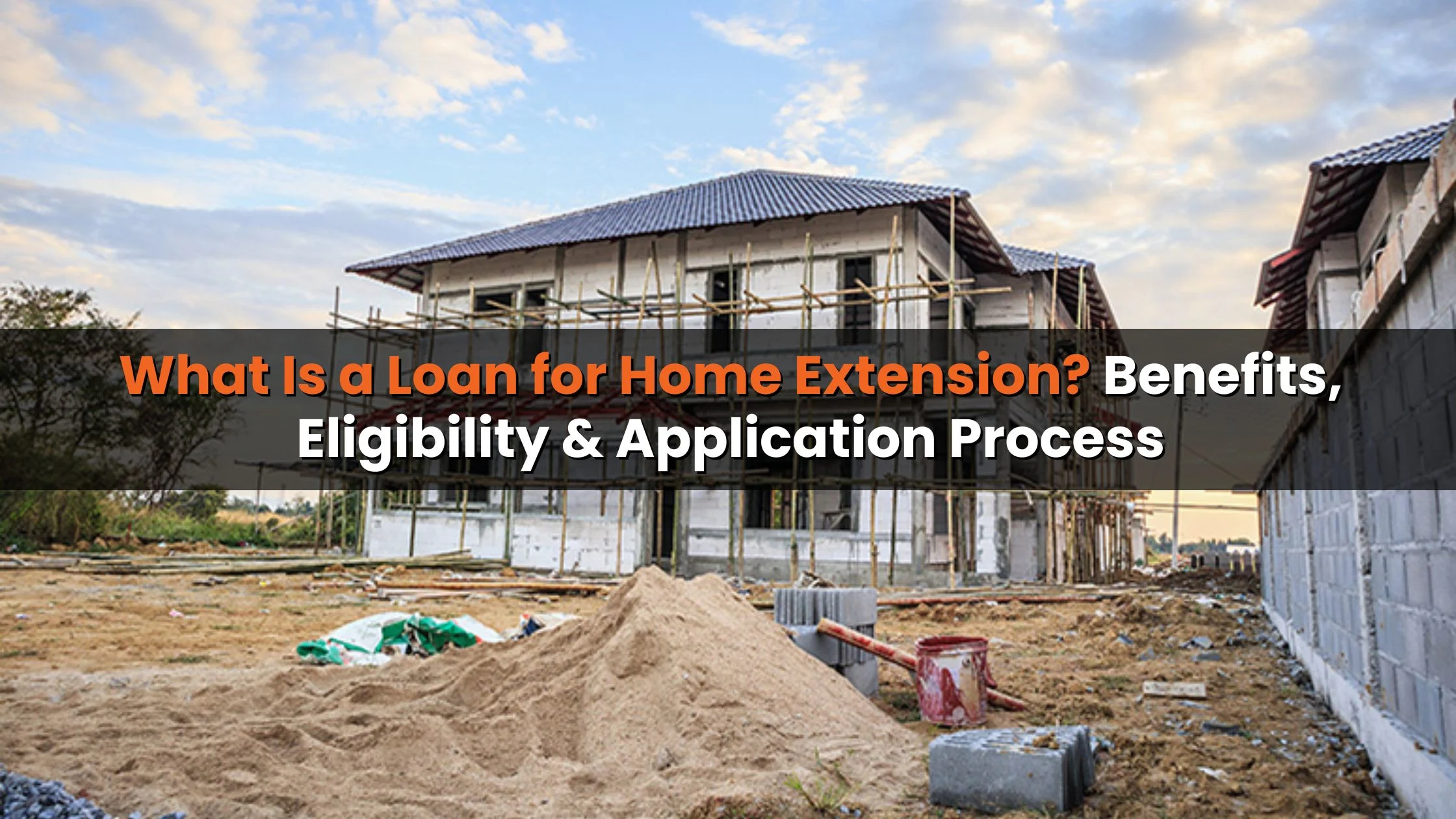
A Loan for Home Extension is a secured home loan designed to help homeowners expand their existing residential property by adding extra rooms, extending living spaces, or constructing an additional floor. Unlike renovation loans, which focus on repairs and interiors, home extension loans are meant for structural expansion that increases the built-up area.
In simple terms, if your family has outgrown your current home and moving isn’t an option, a loan for home extension allows you to upgrade your space without selling your property. Since the loan is secured against your existing house, interest rates are usually lower than personal loans and similar to standard home loan rates.
Why Should You Consider a Loan for Home Extension?
As families grow and lifestyle needs change, space constraints become a common issue. A home extension loan offers a practical solution, especially in cities where buying a new property is expensive.
Common Reasons People Take a Home Extension Loan
- Growing family and need for extra bedrooms
- Adding a study or home office
- Expanding kitchen or living area
- Constructing an additional floor for parents or rental income
- Improving long-term property value without relocation
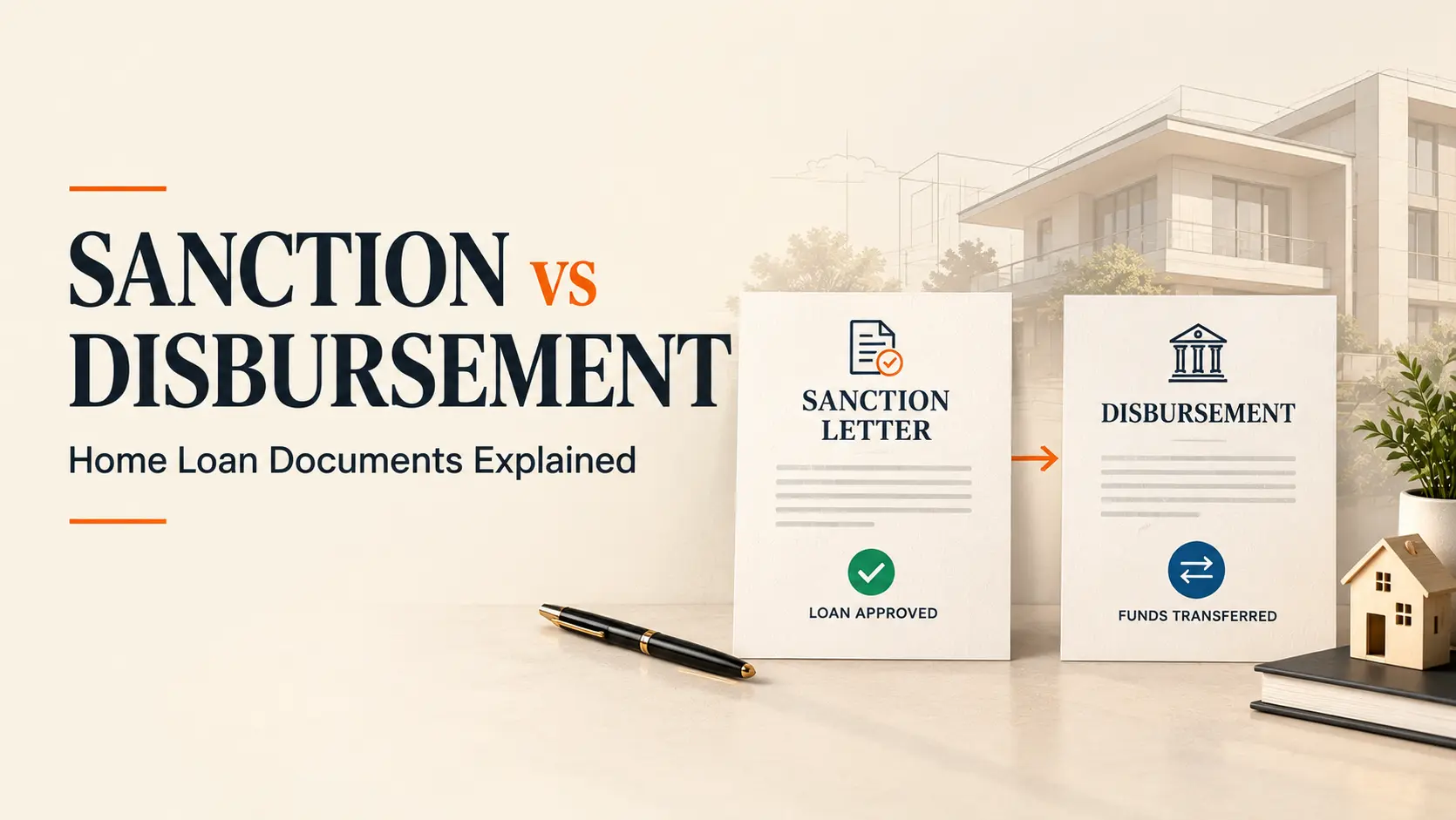
Also Read: Sanctioned vs Disbursed Amount in Home Loan: Explained for Homebuyers
Loan for Home Extension vs Home Renovation Loan: What’s the Difference?
|
Aspect |
Home Extension Loan |
Home Renovation Loan |
|
Purpose |
Structural expansion |
Repairs & interiors |
|
Built-up Area |
Increases |
No increase |
|
Examples |
New room, extra floor |
Painting, flooring |
|
Loan Amount |
Higher |
Lower |
|
Tax Benefits |
Yes |
Limited |
|
Interest Rate |
Similar to home loan |
Slightly higher |
Key takeaway:
If your project involves adding new space, you need a Loan for Home Extension, not a renovation loan.
What Are the Key Benefits of Taking a Loan for Home Extension?
1. How Does a Home Extension Loan Create More Living Space?
A loan for home extension enables you to add new rooms, expand existing areas, or build vertically giving your family the comfort of additional space without relocating.
2. Is a Loan for Home Extension Affordable?
Yes. Since it is a secured loan, interest rates are usually aligned with regular home loan rates, typically ranging between 8.5% to 10.5% per annum, depending on the lender and borrower profile.
3. Does It Offer Flexible Repayment Options?
Most lenders offer repayment tenures of up to 15–30 years, making EMIs affordable and easier to manage within your monthly budget.
4. Does Home Extension Increase Property Value?
Structural expansion significantly improves resale and rental value. An extra bedroom or floor can increase property value by 20–40%, depending on location and demand.
5. Are There Tax Benefits on Home Extension Loans?
Yes, borrowers can claim tax deductions:
- Section 80C: Up to ₹1.5 lakh on principal repayment
- Section 24(b): Up to ₹2 lakh on interest (self-occupied property)
Who Is Eligible for a Loan for Home Extension?
Eligibility criteria may differ slightly across banks and housing finance companies, but the core requirements remain similar.
What Are the Eligibility Criteria for a Home Extension Loan?
- Property Ownership: Applicant must own the property being extended
- Age Limit:
- Minimum: 21 years
- Maximum at loan maturity: 60–65 years
- Employment Type:
- Salaried individuals
- Self-employed professionals and business owners
- Income Stability: Consistent income and repayment capacity
- Credit Score: 700+ recommended for faster approval
- Loan-to-Value (LTV) Ratio: Up to 80–90% of construction cost, subject to lender policies
What If the Property Is Jointly Owned?
If the house is jointly owned, all co-owners must be co-applicants for the loan.
What Documents Are Required for a Loan for Home Extension?
Here is a comprehensive list of documents generally required by lenders:
Identity & Address Proof
- Aadhaar Card
- PAN Card
- Passport / Voter ID
- Utility bills (electricity/water)
Income Proof
For Salaried Applicants
- Last 3–6 months salary slips
- Form 16
- Bank statements (last 6 months)
For Self-Employed Applicants
- Income Tax Returns (last 2–3 years)
- Profit & Loss statement
- Balance Sheet
- Business proof
Property & Construction Documents
- Title deed
- Approved building plan from local authority
- Construction cost estimate from registered engineer/architect
- Existing property papers
Other Documents
- Duly filled application form
- Passport-size photographs
- Employment certificate or appointment letter (if salaried)
How Much Loan Can You Get for Home Extension?
The loan amount depends on multiple factors:
|
Factor |
Impact |
|
Income |
Higher income = higher eligibility |
|
Credit Score |
Better score = higher LTV |
|
Property Value |
Determines maximum loan |
|
Construction Cost |
Loan capped at estimated cost |
|
Existing Loans |
Reduces eligibility |
Example:
If your estimated extension cost is ₹30 lakh and the lender offers 80% financing, you may get up to ₹24 lakh as a home extension loan.
How to Apply for a Loan for Home Extension: Step-by-Step Guide
Step 1: Research and Compare Lenders
Compare banks and housing finance companies based on:
- Interest rates
- Processing fees
- Loan tenure
- Prepayment charges
Step 2: Check Eligibility Online
Use home loan extension eligibility calculators to estimate loan amount and EMI.
Step 3: Gather Required Documents
Ensure all property and construction approvals are in place before applying.
Step 4: Submit Application
Apply online or visit the nearest bank branch with documents.
Step 5: Verification and Site Inspection
The lender verifies:
- Income and credit profile
- Property documents
- Construction plan and cost
Step 6: Loan Approval and Disbursement
Loan is usually disbursed in stages, linked to construction progress.
Also Read: Loan Against Property: Tax Relief and Income Tax Deductions
What Are the Interest Rates for Loan for Home Extension?
Interest rates vary by lender and borrower profile:
|
Borrower Type |
Interest Rate Range |
|
Salaried |
8.5% – 9.5% |
|
Self-employed |
9.0% – 10.5% |
Rates may differ based on credit score, income stability, and loan amount.
Useful Tips Before Applying for a Loan for Home Extension
- Plan a Realistic Budget: Include contingency and approval costs
- Maintain a Good Credit Score: Aim for 750+ for better terms
- Choose the Right Tenure: Longer tenure = lower EMI, higher interest
- Check Prepayment Options: Helps reduce total interest burden
- Ensure Legal Approvals: Unauthorized construction can lead to rejection
Is a Loan for Home Extension Better Than a Personal Loan?
Yes, in most cases.
|
Parameter |
Home Extension Loan |
Personal Loan |
|
Interest Rate |
Lower |
High |
|
Tenure |
Up to 30 years |
Up to 5 years |
|
Loan Amount |
Higher |
Limited |
|
Tax Benefits |
Yes |
No |
Conclusion
A Loan for Home Extension is an ideal financing solution for homeowners looking to expand their living space without relocating. With lower interest rates, long repayment tenure, tax benefits, and an increase in property value, it offers both comfort and financial sense. By understanding eligibility, documentation, and application steps, you can make the process smooth and stress-free.







Ans 1. A loan for home extension is a secured home loan that helps homeowners expand the built-up area of their existing house by adding rooms, extending living space, or constructing an additional floor. It is different from renovation loans, which only cover repairs and interiors.
Ans 2. A home extension loan is used for structural expansion that increases the size of the property, such as adding a new room or floor. A renovation loan is meant for non-structural work like painting, flooring, or kitchen upgrades and does not increase built-up area.
Ans 3. Individuals who own the property they plan to extend, have stable income, and meet the lender’s age and credit score criteria are eligible. Both salaried and self-employed applicants can apply, provided the construction plan is legally approved.
Ans 4. The loan amount depends on income, credit score, property value, and estimated construction cost. Most lenders finance up to 80–90% of the approved extension cost, subject to loan-to-value norms.
Ans 5. Home extension loan interest rates are usually similar to regular home loan rates, generally ranging from 8.5% to 10.5% per annum, depending on the lender, applicant profile, and credit score.
Ans 6. Yes, home extension loans qualify for tax benefits. Borrowers can claim deductions of up to ₹1.5 lakh on principal repayment under Section 80C and up to ₹2 lakh on interest under Section 24(b) for self-occupied properties.
Ans 7. Yes, but all co-owners of the property must be co-applicants for the loan. Their income and credit profiles may also be considered during eligibility assessment.
Ans 8. Lenders require identity and address proof, income documents, property ownership papers, approved building plans, and a construction cost estimate from a registered architect or engineer.
Ans 9. In most cases, a home extension loan is better because it offers lower interest rates, longer repayment tenure, higher loan amounts, and tax benefits, whereas personal loans are costlier and have shorter tenures.
Ans 10. The loan amount is usually released in stages based on construction progress. The lender conducts site inspections before each disbursement to ensure the extension work aligns with the approved plan.
Ans 11. Yes, structural expansion often increases property value significantly. Adding an extra room or floor can enhance resale value and rental income, especially in high-demand urban areas.
Ans 12. Yes, most banks and housing finance companies allow online applications. Applicants can check eligibility, upload documents, and track approval status digitally.