
Table of Content
▲
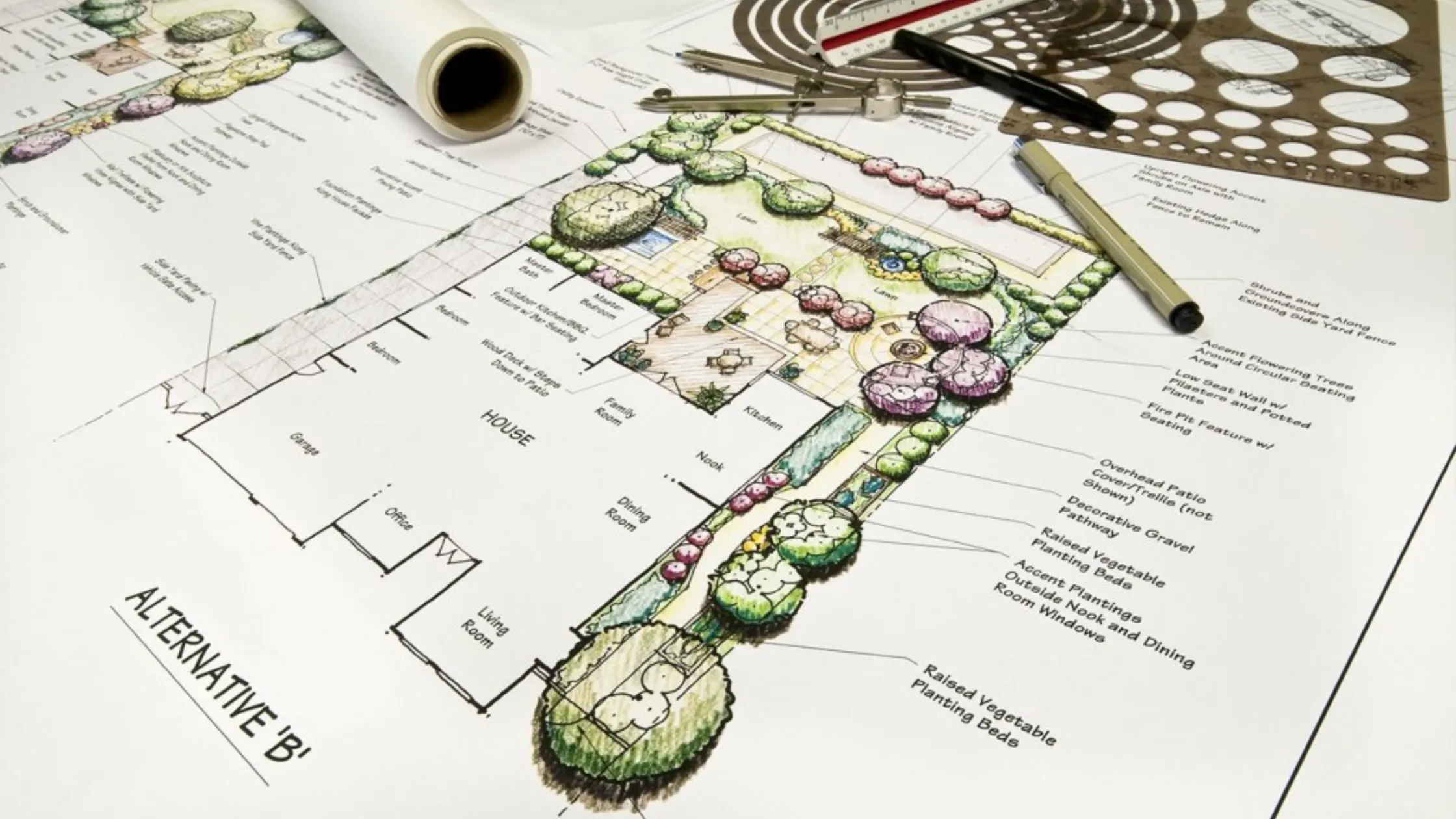
When buying property or planning construction, terms like site plan, building plan, and floor plan are often used. While they may sound similar, each serves a distinct purpose:
- Site Plan: Shows the external layout of roads, parking, gardens, and property boundaries.
- Building Plan: The master blueprint, covering structure, floors, terraces, elevations, and technical details.
- Floor Plan: Displays the interior layout of rooms, doors, windows, furniture, and movement flow.
Understanding these plans helps buyers, architects, and builders make informed decisions and ensures projects run safely and efficiently.
What is a Site Plan?
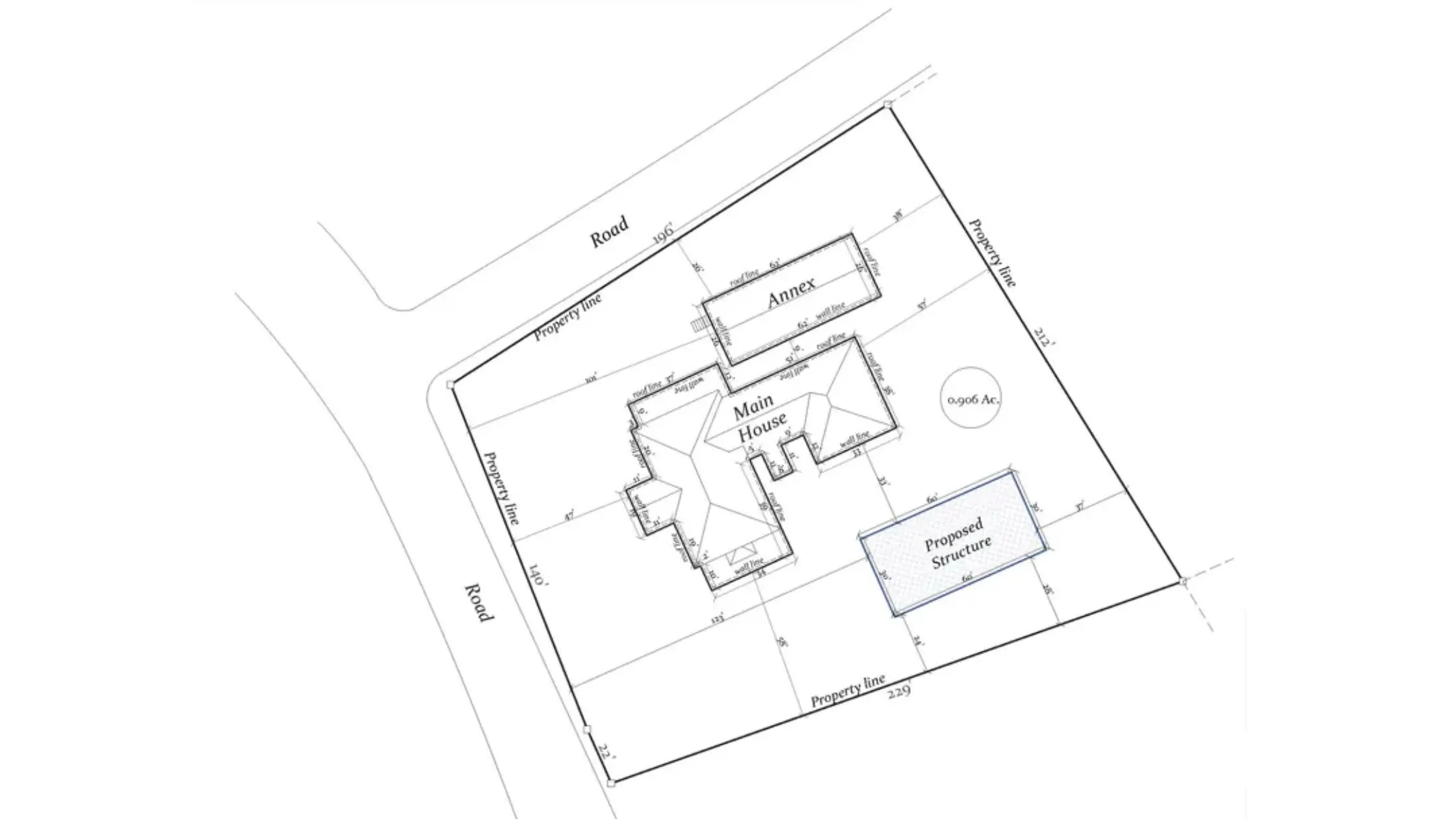
A site plan is a detailed map of the entire property, showing how the land is utilized. It includes both existing and proposed features.
Key Features of a Site Plan:
- Buildings: Main structure, garages, barns, or auxiliary buildings
- Roads & Driveways: Entry/exit points, pathways, and vehicular circulation
- Parking Layout: Spaces, dimensions, and directional flow
- Landscaping: Gardens, trees, flowerbeds, and walkways
- Utilities: Septic tanks, drainage, and water connections
- Property Boundaries: Exact measurement of the plot
Example:
If you are looking at a gated apartment complex in Mumbai, the site plan will show the building blocks, parking lots, green areas, and internal roads.
Also Read: Builder Floor vs Apartment: Understand Differences, Benefits, and Limitations
Why Site Plans are Important
- Helps buyers check the location, accessibility, and open spaces
- Ensures compliance with zoning and regulatory requirements
- Provides a visual of the outdoor area, which affects future development and resale value
Tip: Always review the site plan before the building or floor plan it tells you where the property is situated and its surroundings.
What is a Floor Plan?
.webp)
A floor plan is a bird’s-eye view of the interior layout of a building. It shows how rooms, walls, doors, and windows are arranged.
Key Features of a Floor Plan:
- Rooms and Areas: Bedrooms, kitchen, living room, bathrooms
- Doors and Windows: Placement and direction of opening
- Furniture Layout: Helps visualize space usage
- Utilities: Electrical outlets, plumbing points, HVAC systems
- Flow of Space: Pathways and traffic areas
Example:
A 2BHK apartment floor plan in Pune will show bedroom dimensions, balcony placement, kitchen orientation, and bathroom layout.
Why Floor Plans are Important
- Helps buyers visualize daily living comfort
- Allows interior designers to plan furniture and décor
- Helps real estate agents market properties by highlighting room flexibility
Tip: After reviewing the site and building plans, check the floor plan to ensureyour living space meets your needs.
What is a Building Plan?
A building plan is the master guide for architects and builders. It includes multiple layers: floor plans, structural details, elevations, terraces, and landscape.
Components of a Building Plan:
|
Component |
Description |
|
Floor Plan |
Room layout, dimensions, furniture, doors, and windows |
|
Structural Plan |
Wall thickness, beams, columns, foundation, and load-bearing structures |
|
Elevation Plan |
Visualizes the external look of the building, including windows/doors |
|
Terrace Plan |
Roof layout, water tanks, solar panels, and lift cabins |
|
Landscape Plan |
Gardens, walkways, trees, fences, and outdoor decorative elements |
Example:
In a commercial complex, the building plan ensures that all floors are aligned, staircases and elevators meet safety codes, and the roof can accommodate HVAC units.
Why Building Plans are Important
- Ensures structural safety and legal compliance
- Guides contractors on the construction sequence
- Prevents future legal or safety issues
Site Plan Vs Floor Plan – Key Differences
|
Feature |
Site Plan |
Floor Plan |
|
Focus |
Exterior property and surroundings |
Interior layout and room arrangements |
|
View |
Bird’s-eye view of the land |
Bird’s-eye view of a specific floor |
|
Details Included |
Landscaping, parking, roads, boundaries |
Rooms, doors, windows, furniture |
|
Material Specifications |
Often includes landscaping and pavement types |
Rarely specified except in 3D visuals |
|
Purpose |
Shows location and outdoor layout |
Shows livability and interior flow |
Tip: While site plans and floor plans complement each other, start with the site plan to understand the property context, then check the building and floor plans.
Which Plan Should You Check First When Buying Property?
- Site Plan – To verify:
- Entry and exit points
- Open spaces and parks
- Parking and road width
- Nearby buildings or future developments
- Building Plan – To verify:
- Number of floors and structural safety
- Staircase and elevator placement
- Legal approvals and compliance
- Floor Plan – To verify:
- Room sizes and layout
- Kitchen, bathroom, and balcony placement
- Furniture arrangement and living comfort
Advice: Buyers often look at floor plans first, but reviewing the site and building plans ensures your investment is safe, practical, and future-ready.
Legal and Regulatory Significance
- Site Plan: Needed for approvals in municipal regulations; ensures compliance with setbacks, green space, and zoning laws
- Building Plan: Must be approved by local authorities to ensure structural safety and code compliance
- Floor Plan: Usually part of building approval but can be modified for interior design
Tip for Buyers: Always ask developers for approved building and site plans to avoid legal complications.
Which Plan Should You Check First When Buying Property?
- Site Plan: Understand location, open spaces, parking, and surrounding roads
- Building Plan: Verify structure, floors, staircases, and legal approvals
- Floor Plan: Check room sizes, layout, and daily usability
Advice: Focusing only on the floor plan can lead to future disappointments like narrow roads, blocked sunlight, or poor open space.
Also Read: Notarized vs. Registered Rent Agreement: What’s Best for Your Rental Needs?
Real-World Examples
- Residential Project in Mumbai:
- Site Plan: Shows 5 towers, central garden, 2-level parking, jogging track
- Building Plan: Confirms 15 floors, RCC structure, elevators in each block
- Floor Plan: 2BHK layout with 2 balconies, kitchen, and living room
- Villa in Pune:
- Site Plan: 1-acre plot with swimming pool, driveway, and landscaped garden
- Building Plan: Single-floor construction with terraced roof
- Floor Plan: 3 bedrooms, kitchen, and living area with furniture placements
Conclusion
Understanding the differences between site plans, building plans, and floor plans is essential for making informed property decisions.
- Site Plans: Focus on external layout, parking, roads, and open spaces.
- Floor Plans: Focus on interior layout, room arrangement, and furniture.
- Building Plans: Act as the complete blueprint, covering structure, floors, terraces, and landscape.
For buyers, checking the site plan first, building plan second, and floor plan last ensures a safe, practical, and future-ready investment.








Ans 1. A site plan is a detailed map of a property showing the layout of buildings, roads, parking, gardens, utilities, and property boundaries. It helps buyers understand the external features and surroundings of a property.
Ans 2. Site plans are important to verify entry/exit points, open spaces, parking layouts, and future development around the property. They also ensure compliance with municipal regulations and zoning laws.
Ans 3. A floor plan is a bird’s-eye view of the interior layout of a building, showing room sizes, doors, windows, furniture, and movement flow. It helps buyers visualize daily living comfort and plan furniture placement.
Ans 4. A building plan is the master blueprint of a property, including floor plans, structural details, elevations, terrace layout, and landscaping. It ensures structural safety, legal compliance, and guides construction.
Ans 5. A site plan focuses on the exterior of the property, including roads, parking, and landscaping, while a floor plan focuses on the interior layout, showing rooms, doors, and furniture arrangements.
Ans 6. Buyers should first check the site plan to understand location, parking, and open spaces, then the building plan to verify structure and legal approvals, and finally the floor plan for interior layout and livability.
Ans 7. Yes, floor plans often include furniture placement to help buyers visualize space usage and interior design possibilities.
Ans 8. Reviewing the building plan ensures structural safety, proper placement of elevators and staircases, and compliance with local building codes, preventing future legal or safety issues.
Ans 9. Yes, properties with well-planned site layouts, open spaces, and accessible roads often command higher resale value, making the site plan an important consideration.
Ans 10. Yes, always ask for approved site and building plans to avoid legal complications and ensure the property complies with local regulations.