
Table of Content
▲- India Luxury Property Market in 2025: The Numbers That Matter
- Mumbai Emerges as the Undisputed Capital of India Luxury Property
- Vertical Luxury Living Defines Mumbai’s High-End Housing Demand
- Delhi NCR’s Luxury Market: Fewer Deals, Bigger Plots
- ₹200 Crore Is the New ₹100 Crore in India Luxury Property
- Spotlight Deal of 2025: The ₹739 Crore Mumbai Transaction
- Why Pharma Wealth Is Flowing Into India Luxury Property
- Other Big-Ticket Luxury Deals That Shaped 2025
- Who Is Buying Ultra-Luxury Homes in India Today?
- What Is Driving the Boom in India Luxury Property?
- Outlook 2026: Will the Momentum Continue?
The year 2025 will be remembered as a watershed moment for India luxury property, as ultra-wealthy individuals and business families spent more than ₹7,186 crore on just 51 super-luxury residential transactions across the country. According to property registration data compiled by Zapkey, this was one of the strongest years ever for India’s high-end housing market, both in terms of value and deal size.
Mumbai emerged as the undisputed leader, accounting for the bulk of these transactions, while Delhi NCR followed at a distant second. The year’s biggest headline came from a ₹739 crore sea-facing residential purchase in Mumbai by a leading pharmaceutical entrepreneur, a deal that reset pricing benchmarks not just for the city, but for the entire India luxury property landscape.
With rising wealth, limited supply of trophy homes, and growing preference for branded, ready-to-move residences, experts believe this momentum could extend well into 2026.
India Luxury Property Market in 2025: The Numbers That Matter
At a national level, the scale of ultra-luxury housing activity in 2025 underlined a structural shift rather than a one-off spike.
Key highlights from the year include:
- 51 ultra-luxury residential transactions across India
- ₹7,186 crore spent on high-end homes
- 30 deals above ₹100 crore, the highest ever recorded
- 9 transactions exceeding ₹200 crore, signalling a sharp reset in price benchmarks
For context, deals above ₹100 crore were once considered extremely rare in India luxury property. In 2025, they became far more common, reflecting both rising wealth and a growing willingness among buyers to pay a premium for exclusivity, location, and quality.
Also Read: Residential Transactions Record 5% Dip in Home Sales to 5.45 Lakh Units: Year-Ender 2025
Mumbai Emerges as the Undisputed Capital of India Luxury Property
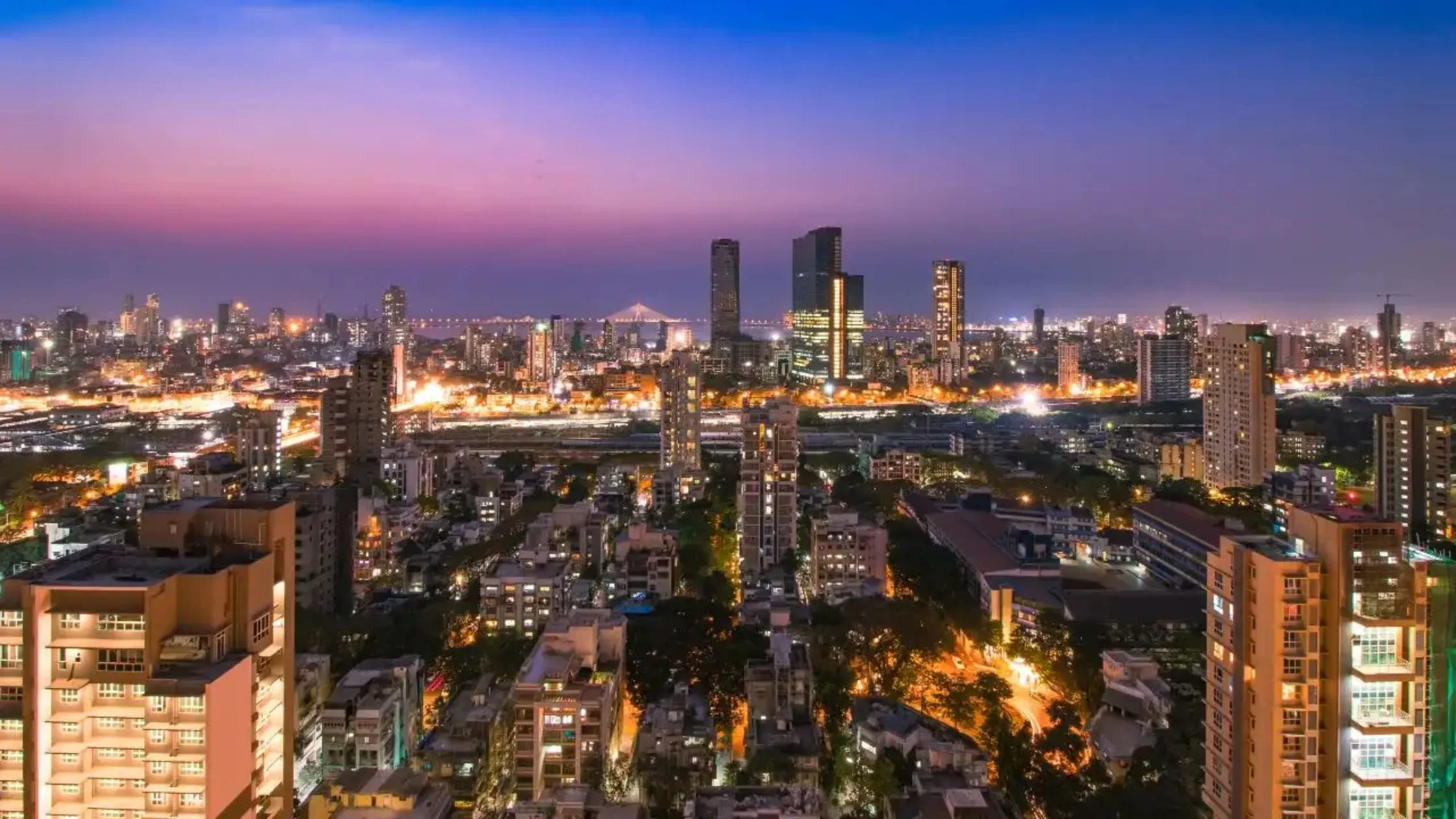
Mumbai once again cemented its position as India’s most expensive and sought-after residential market. Of the 51 ultra-luxury transactions recorded in 2025, 35 deals worth nearly ₹5,100 crore were concentrated in the city.
This dominance is not new, but the scale achieved in 2025 was unprecedented. Experts point out that Mumbai’s leadership in the India luxury property segment is driven by a combination of factors:
- Extreme scarcity of land, especially in South and Central Mumbai
- Strong preference for sea-facing homes
- Presence of branded, high-rise luxury developments
- Long-term wealth preservation mindset among buyers
While other cities offer space, Mumbai offers permanence, status, and global visibility qualities that continue to attract India’s richest buyers.
Vertical Luxury Living Defines Mumbai’s High-End Housing Demand
One of the most visible trends in 2025 was Mumbai’s tilt towards vertical luxury living. Unlike Delhi NCR, where independent bungalows still dominate the top end, Mumbai’s ultra-rich gravitated towards high-rise apartments with uninterrupted sea views.
Premium towers in locations such as Worli, Prabhadevi, Lower Parel, and Bandra saw sustained demand, especially for projects with:
- Limited number of residences
- Large carpet areas
- High privacy standards
- Ready or near-completion status
For buyers in the India luxury property segment, vertical living is no longer a compromise—it is a lifestyle choice that offers security, amenities, and panoramic views that independent homes often cannot match in a dense urban environment like Mumbai.
Delhi NCR’s Luxury Market: Fewer Deals, Bigger Plots
While Mumbai dominated volumes, Delhi NCR carved out its own distinct luxury narrative in 2025. The region recorded 12 ultra-luxury transactions, most of them concentrated in the prestigious Lutyens’ Delhi zone.
Unlike Mumbai’s preference for apartments, luxury buyers in Delhi NCR largely invested in independent bungalows located on iconic addresses such as APJ Abdul Kalam Road (formerly Aurangzeb Road) and Golf Links.
Over ₹1,500 crore was spent on these standalone homes, highlighting a fundamental difference in how luxury is defined across markets. In the context of India luxury property, Delhi continues to represent land ownership, privacy, and legacy, while Mumbai represents vertical exclusivity and skyline living.
₹200 Crore Is the New ₹100 Crore in India Luxury Property
Perhaps the most telling signal of how far the market has evolved is the changing definition of what qualifies as “ultra-luxury.”
In 2025:
- Nine residential transactions crossed the ₹200 crore mark
- Thirty deals breached ₹100 crore
A decade ago, a ₹100 crore home would have dominated headlines for months. Today, such deals are becoming increasingly frequent, especially in Mumbai. Industry experts believe this shift reflects:
- Higher concentration of wealth among business families
- Greater comfort with large-ticket real estate investments
- Growing perception of luxury homes as long-term personal assets rather than speculative bets
This recalibration has permanently raised the floor for India luxury property pricing in prime locations.
Spotlight Deal of 2025: The ₹739 Crore Mumbai Transaction
The single largest residential transaction of the year and arguably in India’s history was the ₹739 crore purchase of two sea-facing duplex apartments in Mumbai’s Worli area by a leading pharmaceutical business leader.
Located in a premium high-rise tower overlooking the Arabian Sea, the duplexes span multiple upper floors and offer uninterrupted views, expansive layouts, and absolute privacy. The deal worked out to over ₹2.8 lakh per sq ft on carpet area, setting a new national benchmark for residential pricing.
What made this transaction particularly significant for the India luxury property market was that it was a personal end-use purchase, not an investment-driven deal. This underlined a growing trend of ultra-rich buyers seeking primary residences that match global luxury standards.
Why Pharma Wealth Is Flowing Into India Luxury Property
One of the quieter but important themes of 2025 was the increasing participation of pharmaceutical entrepreneurs in luxury real estate.
Experts attribute this to:
- Post-pandemic wealth creation in pharma and healthcare
- Strong cash flows and global expansion of Indian pharma companies
- Real estate being viewed as a stable, tangible asset
Where earlier budgets in the luxury segment were capped at ₹100–₹200 crore, buyers are now comfortable spending ₹500 crore or more for the right property. This influx of pharma capital has added fresh depth to the India luxury property market.
Other Big-Ticket Luxury Deals That Shaped 2025
Apart from the record-breaking Worli deal, several other transactions stood out during the year.
In Mumbai, prominent financial sector families acquired entire residential buildings or multiple sea-facing apartments in prime locations, with some deals crossing ₹400 crore in aggregate value.
In Delhi NCR, one of the year’s biggest transactions involved the purchase of a sprawling bungalow in Lutyens’ Delhi for over ₹300 crore by a corporate entity linked to a global steel major.
Together, these deals reinforced a clear trend: buyers at this level are not speculators. They are end users looking for long-term, irreplaceable assets within the India luxury property universe.
Who Is Buying Ultra-Luxury Homes in India Today?
The buyer profile in the luxury segment has also evolved significantly. Today’s ultra-luxury homebuyers typically include:
- Business owners and promoters
- Family offices
- Global professionals returning to India
- Ultra-high-net-worth individuals seeking legacy assets
What unites them is a preference for quality, certainty, and long-term value. In the India luxury property market, demand is increasingly end-user driven, with buyers prioritising liveability and exclusivity over short-term returns.
Also Read: DDA Towering Heights Phase 2 Launched: Flat Count, Price, Location, Dates
What Is Driving the Boom in India Luxury Property?
Multiple factors came together in 2025 to fuel the luxury housing boom:
- IPO-driven wealth creation
- Strong equity market performance
- Limited supply of trophy homes
- Improved transparency in property registrations
- Greater trust in branded developers
Unlike earlier cycles, this growth is not being driven by easy credit or speculative fervour. Instead, it reflects genuine wealth expansion and a maturing real estate market.
Outlook 2026: Will the Momentum Continue?
Looking ahead, experts remain cautiously optimistic about the outlook for India luxury property in 2026.
If IPO-led wealth continues to flow into real assets, and if supply of ultra-luxury homes remains constrained, prices are likely to stay firm. Mumbai is expected to retain its leadership position, while Delhi NCR will continue to see selective, high-value transactions.
New luxury corridors in cities such as Bengaluru and Hyderabad may also start attracting ultra-high-net-worth buyers, though Mumbai’s dominance is unlikely to be challenged in the near term.





Ans 1. In 2025, India saw 51 ultra-luxury residential transactions worth over ₹7,186 crore, marking one of the strongest years ever for the high-end property market.
Ans 2. Mumbai emerged as the leader, accounting for 35 of the 51 transactions and nearly ₹5,100 crore in ultra-luxury property deals, making it India’s top city for luxury real estate.
Ans 3. The largest deal was a ₹739 crore purchase of two sea-facing duplex apartments in Mumbai’s Worli area, setting a national benchmark of over ₹2.8 lakh per sq ft.
Ans 4. Mumbai’s ultra-rich prefer high-rise, sea-facing apartments with large layouts and vertical luxury living, whereas Delhi NCR buyers focus on standalone bungalows in iconic addresses emphasizing land, privacy, and legacy.
Ans 5. Buyers typically include business owners, family offices, global professionals returning to India, and ultra-high-net-worth individuals seeking end-use residences with long-term value.
Ans 6. The boom is driven by rising wealth (especially IPO-led and pharma wealth), limited supply of trophy homes, strong equity performance, improved transparency in property registration, and growing preference for branded, ready-to-move homes.
Ans 7. In 2025, deals exceeding ₹100 crore became more common, with nine transactions surpassing ₹200 crore, indicating that ₹200 crore is now considered the new benchmark for ultra-luxury properties.
Ans 8. Premium towers in Worli, Prabhadevi, Lower Parel, and Bandra saw the highest demand, particularly for projects with limited residences, large carpet areas, and ready or near-completion status.
Ans 9. The 2025 trend shows that most ultra-luxury buyers are end-users seeking primary residences rather than speculative investments, emphasizing long-term quality, exclusivity, and lifestyle.
Ans 10. Experts expect 2026 to maintain strong demand, particularly in Mumbai and Delhi NCR, supported by constrained supply, IPO-led wealth creation, and growing appeal of new luxury corridors in Bengaluru and Hyderabad.