
✦ AI Summary
Table of Content
▲- Mumbai-Pune Expressway Incomplete Stretch
- Why This Infrastructure Matters for Real Estate
- Housing Demand Shift Towards Emerging Corridors
- Rise of Second Homes and Lifestyle Living
- Impact on Logistics and Commercial Real Estate
- Price Comparison Between Mumbai and Pune
- Will Travel Time Reduction Really Impact Housing Demand
- Mumbai 3.0 and Future Growth Potential
- Key Opportunities for Buyers and Investors
- Challenges to Watch
- Final Thoughts
The opening of the incomplete stretch of the Mumbai Pune Expressway Missing Link marks a major upgrade in connectivity between Mumbai and Pune. While the time saved may seem modest, the real impact lies in how it reshapes housing demand, investment patterns, and emerging real estate corridors.
The launch of the 13.3 km missing link that bypasses this area is truly important not only as a travel enhancement but also as an infrastructure catalyst that has historically transformed real estate demand trends along the corridors it enhances. Here’s what has altered, and what it signifies for homebuyers, investors, and the developing real estate areas located between Mumbai and Pune.
Mumbai-Pune Expressway Incomplete Stretch
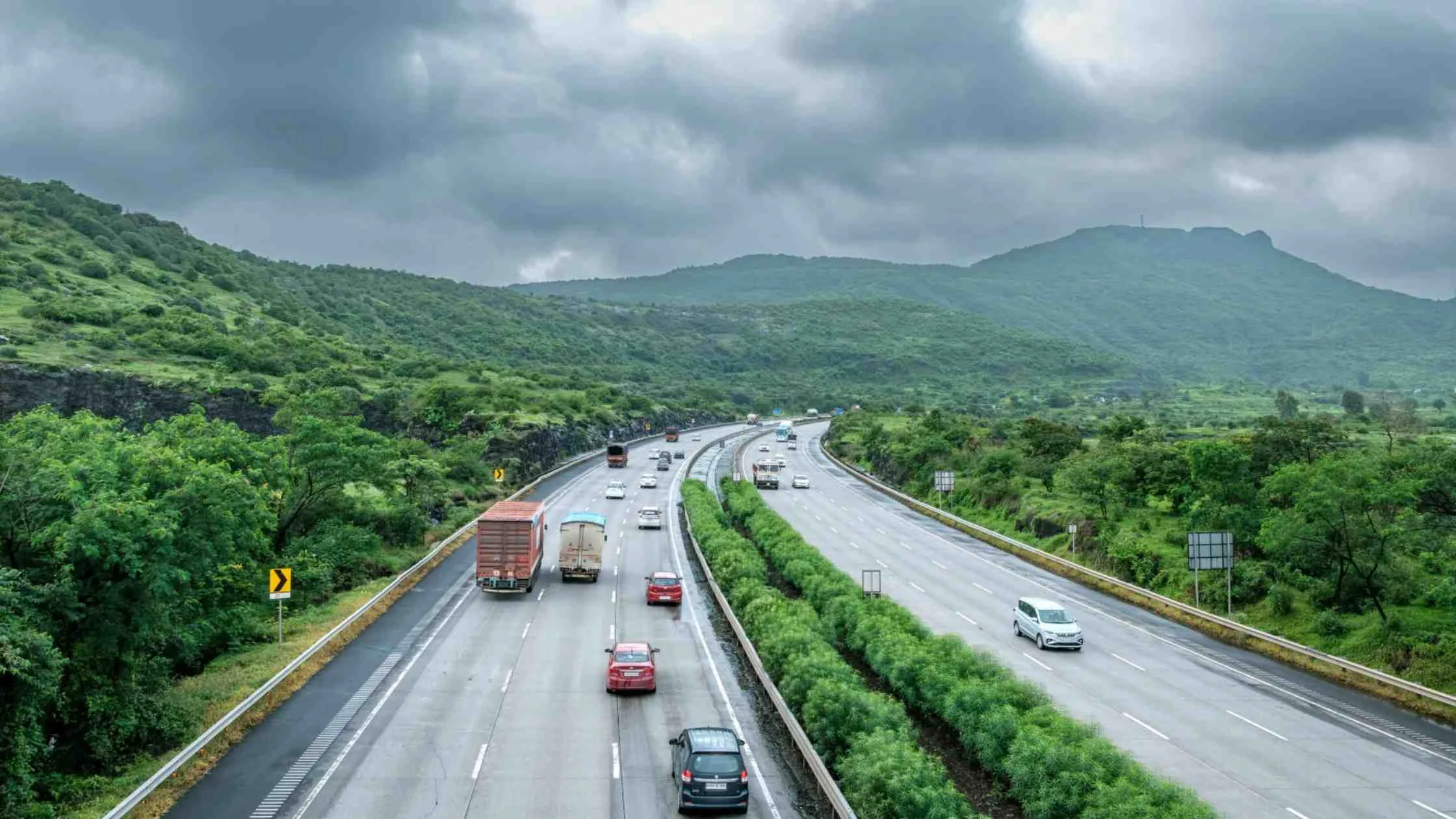
The recently inaugurated segment links Khopoli to Kusgaon, avoiding the traditionally busy Khandala Ghat area that has been a bottleneck in the expressway's efficiency since its initial development. The ghat section's blend of tight bends, steep slopes, and the amalgamation of heavy trucks with passenger vehicles resulted in situations where accidents, landslides, and overall congestion rendered travel times uncertain and the route truly perilous in inclement weather.
Key Highlights
|
Feature |
Details |
|
Total Length |
13.3 km |
|
Travel Time Reduction |
20 to 30 minutes |
|
Key Infrastructure |
Tunnels and cable-stayed bridge |
|
Current Access |
Light vehicles and buses |
|
Heavy Vehicle Status |
Under review, likely to be permitted after assessment |
This upgrade improves safety, reduces congestion, and ensures smoother travel between the two cities.
Also Read: MHADA Likely to Reduce Prices of Unsold Mumbai Flats by Up to 20 Percent
Why This Infrastructure Matters for Real Estate
Infrastructure has always been a strong trigger for real estate growth. Even a small reduction in travel time can significantly change how people perceive distance and accessibility.
The connection between infrastructure enhancement and real estate demand is among the most reliable trends in India's real estate market history. The transformation of the Agra-Greater Noida corridor via the Yamuna Expressway illustrates a recurring principle; by decreasing the perceived distance from a place to a key employment hub, residential demand in that area rises, as seen with metro rail's effects on surrounding suburbs in Mumbai, Bengaluru, and Delhi
Immediate Benefits
- Faster connectivity between Mumbai and Pune
- Reduced traffic bottlenecks in ghat sections
- Improved travel reliability and safety
- Better weekend and daily commute feasibility
These factors directly influence housing demand, especially in areas located between the two cities.
Housing Demand Shift Towards Emerging Corridors
The most immediate effect of the opening of the missing link on real estate is increased appeal of residential areas located within or close to the enhanced corridor. A number of micro-markets that were once viewed as a bit too inconvenient or where the travel time made the cost premium over suburban Pune difficult to rationalize are now drawing fresh buyer interest.
Key Micro Markets Benefiting
- Karjat
- Neral
- Khopoli
- Lonavala
These locations are gaining traction because they offer:
- Lower property prices compared to Mumbai
- Better lifestyle with open spaces and greenery
- Growing interest in second homes and weekend homes
Rise of Second Homes and Lifestyle Living
The pandemic drastically altered the mindset of a large segment of urban India regarding living locations and the expectations of home ownership. Before 2020, the second-home market in areas such as Karjat and Lonavala was mainly a luxury for the affluent, an extra property for weekend getaways. Following the pandemic's proof that remote work was feasible for numerous professional positions, the dynamics shifted.
A property located 90 minutes to two hours from Mumbai's business areas that provides a spacious house with outdoor space, fresh air, and a more tranquil setting is now more than a luxury; it's a real lifestyle enhancement that many professionals view as an alternative main or co-main residence. This market development is what renders the timing of the missing link's opening especially important.
Why Demand Is Rising
- Remote and hybrid work culture
- Demand for weekend homes
- Better air quality and lifestyle
- Affordable entry prices
Areas like Karjat and Lonavala are now being seen not just as holiday destinations but as long term residential options.
Impact on Logistics and Commercial Real Estate
Although residential demand attracts significant public focus regarding infrastructure enhancements, the logistics and commercial real estate industry typically stands as the more reliable and immediate beneficiary, and the overlooked connection is equally relevant.
Growth Drivers for Logistics
- Faster goods movement
- Reduced transit delays
- Improved supply chain efficiency
- Better connectivity to industrial zones
Once heavy vehicles are allowed, this stretch will likely:
- Boost warehousing demand
- Encourage Grade A logistics parks
- Support ecommerce and manufacturing sectors
Price Comparison Between Mumbai and Pune
The price gap between Mumbai and Pune plays a key role in shaping buyer decisions.
|
Factor |
Mumbai |
Pune |
|
Average Price per sq ft |
₹40000 to ₹50000 |
₹10000 to ₹15000 |
|
Affordability |
Low |
Moderate |
|
Space Availability |
Limited |
Higher |
|
Growth Potential |
Stable |
High |
|
Buyer Preference |
Luxury segment |
Mid and premium segment |
This gap encourages buyers to explore alternative locations along the expressway corridor.
Also Read: BMC's OC Amnesty Scheme Offers Legal Relief to 25,000 Mumbai Housing Societies
Will Travel Time Reduction Really Impact Housing Demand
Not everyone within the real estate and infrastructure analysis community believes that the time savings from this gap will lead to the residential demand change that hopeful forecasts indicate. It’s important to assess both the optimistic and wary viewpoints sincerely.
Mixed Expert Views
Positive Impact
- Better connectivity increases buyer interest
- Improves perception of distance
- Encourages second home investments
Limited Impact Argument
- Time savings may not significantly affect daily commuting
- Major shifts depend on larger infrastructure like high speed rail
- Core city demand remains strong
Mumbai 3.0 and Future Growth Potential
The missing link opening demonstrates Mumbai's urban growth through its development which is known as Mumbai 3.0 because it extends city operations beyond current administrative limits and geographic boundaries to include new areas connected through improved transportation systems.
What This Means
- Development beyond traditional city limits
- Planned townships and integrated projects
- Balanced urban expansion
The incomplete stretch acts as a catalyst for this transformation by improving accessibility to these upcoming regions.
Key Opportunities for Buyers and Investors
The missing connection generates various yet complementary options based on your objectives and how you intend to utilize a property in the corridor.
For Homebuyers
- Access to affordable housing near Mumbai
- Better connectivity without city congestion
- Improved lifestyle options
For Investors
- Early entry into emerging micro markets
- Potential for price appreciation
- Growing demand for rental and second homes
Challenges to Watch
A truthful evaluation of the opportunity necessitates recognizing the elements that may postpone or not in your favour:
- Delay in allowing heavy vehicles
- Uneven development across regions
- Over speculation in early stages
- Dependence on future infrastructure
A careful investment approach is essential.
Final Thoughts
The incomplete section of the Mumbai Pune Expressway Missing Link begins operation to reduce travel time. The system functions as a new way for people to decide where to establish their homes and make their investments. The emerging corridors of Karjat and Lonavala have become new housing demand areas because these locations offer lower prices, better living conditions, and enhanced transportation options.
While the impact may not be immediate in core city markets, the long-term effect on peripheral real estate and second-home demand is clearly strong.



Ans 1. It is a 13 point 3 km new section connecting Khopoli to Kusgaon that bypasses the Khandala Ghat to reduce congestion and improve travel efficiency.
Ans 2. The most promising real estate investment locations along the improved Mumbai Pune Expressway corridor include Karjat for affordable residential and villa segment entry, Neral for budget-range second homes with multiple connectivity options, Khopoli for logistics-adjacent land and early residential positioning, and Lonavala for the established second-home and lifestyle segment.
Ans 3. The missing link is expected to positively influence property prices in corridor locations including Karjat, Neral, Khopoli, and Lonavala by improving connectivity and reducing the travel time deterrent that previously limited buyer enthusiasm. Areas closest to the improved connectivity particularly Khopoli and Karjat are already seeing increased investor interest.
Ans 4. Yes, the missing link is expected to meaningfully boost second-home demand along the corridor by making locations like Karjat, Lonavala, and Neral more accessible from Mumbai. The combination of reduced and more reliable travel time, post-pandemic preference shifts toward lifestyle and nature-proximate living, remote and hybrid work flexibility, and dramatic price advantages over Mumbai proper creates a strong demand environment for second homes in this corridor.
Ans 5. The missing link's logistics impact will be most significant once heavy vehicles are permitted on the new stretch. When that happens, faster and more reliable goods movement between Mumbai's port and logistics networks and Pune's manufacturing base will increase the attractiveness of mid-corridor locations like Khopoli for warehousing and distribution facilities. Transit time reductions improve supply chain efficiency and enable better inventory management.
Ans 6. The price difference is substantial. Residential properties in Mumbai average ₹40,000 to ₹50,000 per sq ft in established areas, while properties in Karjat range from approximately ₹3,000 to ₹6,000 per sq ft and Lonavala from approximately ₹5,000 to ₹10,000 per sq ft depending on project type and location.
Ans 7. Mumbai 3.0 is a concept describing the expansion of Mumbai's functional metropolitan footprint into new growth corridors beyond its current administrative and geographic limits, extending the city's economic reach through improving infrastructure into areas like Raigad district, the Navi Mumbai airport zone, and the expressway corridor toward Pune.
Ans 8. The most in-demand property types along the Mumbai-Pune expressway corridor include villas and row houses with private gardens and outdoor space — which offer the lifestyle differentiation that drives buyers to corridor locations from city apartments. Weekend home and second-home focused projects with resort-style amenities including pools, landscaping, and recreational facilities are the strongest performing segment.
Ans 9. It will improve slightly but major commuting shifts may depend on future projects like high speed rail.
Ans 10. The corridor is expected to grow steadily with rising housing demand infrastructure development and increasing investor interest.
Ans 11. In the short term 0 to 2 years, real estate impact will be most visible in second-home and lifestyle property demand in Karjat, Neral, and Lonavala, and in early investor interest in Khopoli. In the medium term 2 to 5 years logistics and warehousing development will follow once heavy vehicles are permitted, and residential plotted developments in accessible corridor locations will absorb growing demand. In the long term 5 years and beyond, the corridor's maturation into an integrated residential and commercial ecosystem depends on additional infrastructure including high-speed rail connectivity and the development of local employment centres within the corridor itself.