
Table of Content
▲
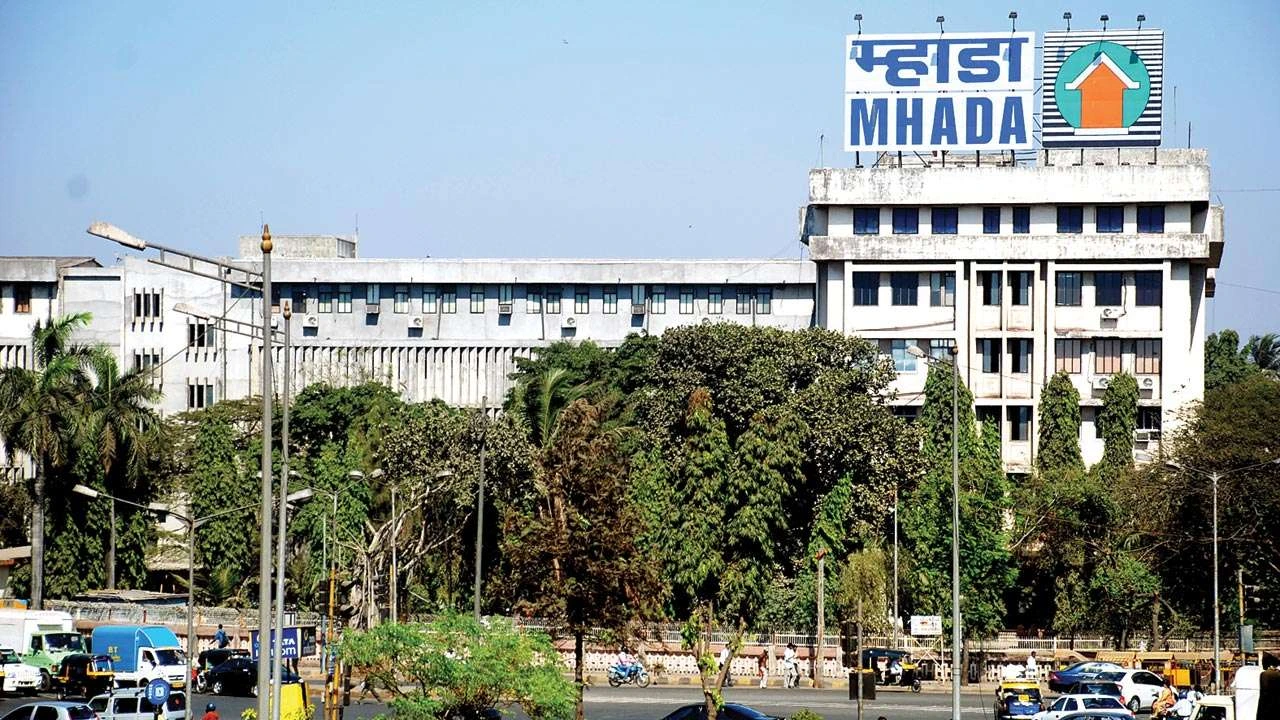
South Mumbai’s aging housing stock has long struggled with redevelopment challenges, and for years, thousands of families have been living in crumbling buildings with no clear solution in sight. The redevelopment of 388 old and dilapidated buildings has been stuck due to feasibility issues, failed negotiations with private builders, and a lack of consensus among societies. Now, in a significant move, Mhada has finally agreed to take up these long-pending redevelopment projects, giving hope to over 27,000 residents who have been waiting for safer homes.
Why Redevelopment Was Stuck for So Long
Despite repeated attempts, the redevelopment of these 388 buildings never took off. Each building stands on extremely small plots, often 400–600 sq mt, making them commercially unappealing to private developers. These tiny land parcels offer little scope for an additional sale component, which developers rely on to fund construction costs.
Another major roadblock was the absence of agreement between societies. Even when some buildings tried to combine land parcels to create a larger footprint, the lack of unanimous support stalled the entire process. As a result, structures already weakened by age, weather, and overuse were left with no clear path forward.
Also Read: Andhra Pradesh Starts Regularisation of Old ‘Sada Bainama’ Land Transactions
Redeveloped Once, But in Need of Redevelopment Again
These buildings have an unusual history. Three to four decades ago, Mhada had already redeveloped nearly 900 dilapidated structures into the current 388 buildings. But over the years, these buildings deteriorated again. Most flats measure only 100–200 sq ft, offering cramped living conditions, and many structures today show signs of severe wear and tear. With the current state of disrepair, residents have been living under constant risk.
Mhada Steps In: A Major Breakthrough
After years of uncertainty, Mhada has agreed to step in once societies formally request redevelopment in clusters. The Mhada Sangharsh Kruti Samiti, representing the 388 buildings received confirmation from the State Self-Redevelopment Authority that Mhada will undertake redevelopment if groups of buildings come together and pass a resolution.
This development marks a turning point. Since the land belongs to Mhada, its involvement ensures smoother planning and fewer ownership disputes. For residents who have struggled to find a willing private developer, this decision opens a much-needed path toward safe and modern homes.
What This Means for Residents
For the 27,000+ families currently living in unsafe structures, this is more than just a policy shift it is long-awaited relief. With Mhada ready to redevelop buildings in clusters, residents can expect:
- A more structured redevelopment process
- Faster permissions and clearer timelines
- Government-backed implementation
- Safer, more spacious, and better-designed homes
Society representatives have welcomed the move, noting that previous efforts to involve private developers were unsuccessful. Mhada’s involvement brings new credibility and alignment, especially since the land is under state housing authority control.
Push for Mini-Cluster Redevelopment Policy
Alongside this major step, societies are also pushing for the Mini-Cluster Redevelopment Policy, currently being discussed for the Mira-Bhayandar region. If implemented in Mumbai, this policy could reduce the minimum required plot size, making redevelopment of small, dense areas more feasible.
With many South Mumbai buildings sitting on compact plots, such a policy could transform how redevelopment is approached across the island city.
Also Read: No Home Demolition Without Legal Procedure: Allahabad High Court
Parallel Issue: Stalled Redevelopment of Cessed Buildings
While Mhada has agreed to take up the 388-building project, another category of buildings remains stuck. In 2021, the government introduced Section 91(A) under the Mhada Act to acquire and redevelop cessed buildings whose projects had stalled. However, despite issuing around 90 notices, not a single building has been fully acquired or redeveloped.
Litigation, administrative delays, and procedural bottlenecks have slowed progress. Activists argue that tenants have been waiting for justice for years, and the acquisition process needs urgent acceleration.
Conclusion
Mhada's decision to redevelop 388 old and dilapidated buildings is a long-awaited breakthrough for thousands of families living in unsafe conditions. By stepping in where private developers backed out, the housing authority is poised to transform aging neighborhoods with safer, modern homes. For South Mumbai, this redevelopment push could signal the beginning of a much-needed revival if supported by steady execution and policy clarity.



Ans 1. MHADA has agreed to redevelop 388 old and dilapidated buildings in South Mumbai, providing safer and modern homes to over 27,000 residents who have been living in unsafe conditions.
Ans 2. Redevelopment was stalled due to extremely small plot sizes (400–600 sq mt), lack of agreement among societies, and limited commercial viability for private developers, despite previous efforts.
Ans 3. MHADA will redevelop buildings in clusters once societies pass formal resolutions. Being the landowner, MHADA can streamline planning, reduce ownership disputes, and ensure government-backed execution.
Ans 4. Residents can expect structured redevelopment, faster permissions, government-backed implementation, safer and more spacious homes, and modern design standards.
Ans 5. The Mini-Cluster Redevelopment Policy aims to reduce the minimum plot size required for redevelopment, making it easier to redevelop small and dense plots in areas like South Mumbai and Mira-Bhayandar.
Ans 6. While MHADA’s 388-building project is moving forward, redevelopment of cessed buildings under Section 91(A) has stalled due to litigation, administrative delays, and procedural bottlenecks.
Ans 7. Societies representing residents must formally request redevelopment in clusters and pass a resolution to trigger MHADA’s involvement.
Ans 8. Private developers often avoided these projects due to small plot sizes and low profitability. MHADA, as a government authority and landowner, can ensure timely execution and resolve ownership disputes.