
Table of Content
▲- Expected Launch Timeline for MHADA Lottery 2026
- Around 5,000 Homes Likely to Be Offered
- Patra Chawl Project to Provide the Largest Share
- Construction Status and Possession Timeline
- What Is the MHADA Lottery System?
- First-Come, First-Served Housing Scheme
- Impact on Mumbai’s Affordable Housing Market
- Conclusion
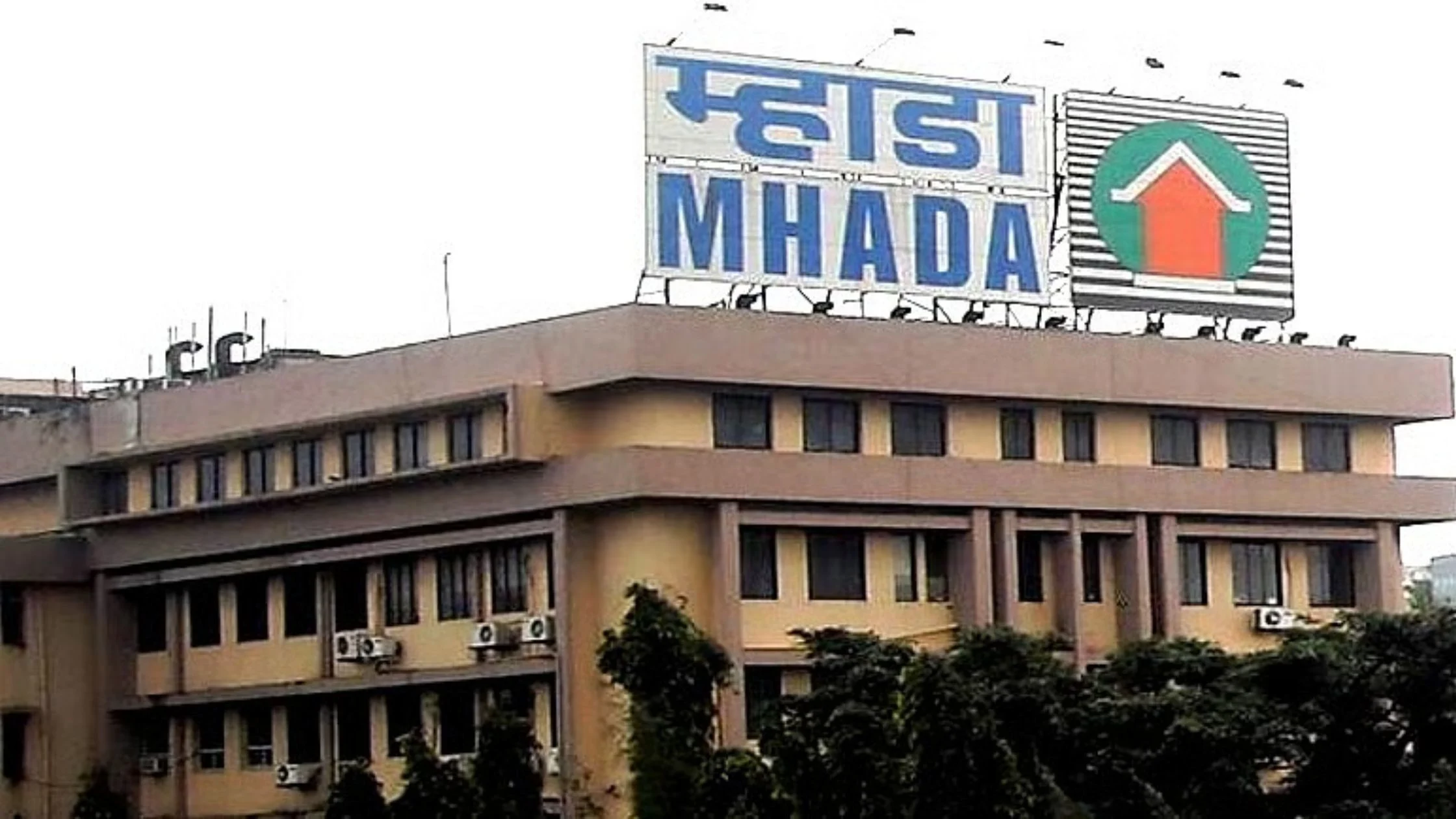
Affordable housing seekers in Mumbai may soon receive an important opportunity, as the MHADA lottery 2026 is expected to be announced before the end of March. The Maharashtra Housing and Area Development Authority (MHADA) is preparing to launch its next housing draw, which is likely to include around 5,000 affordable homes across various locations in the city.
The upcoming MHADA lottery 2026 is expected to cater to buyers from multiple income segments, including economically weaker sections (EWS), lower-income groups (LIG), middle-income groups (MIG), and high-income groups (HIG). For many aspiring homeowners, the lottery remains one of the most accessible ways to purchase property in Mumbai’s highly competitive real estate market.
Expected Launch Timeline for MHADA Lottery 2026
According to MHADA Vice President and CEO Sanjeev Jaiswal, the authority is planning to announce the MHADA lottery 2026 by March 31. The announcement was made during the launch of DigiMHADA, a new mobile application designed to streamline housing-related services and improve accessibility for applicants.
While the exact number of homes was not officially confirmed, officials have indicated that the MHADA lottery 2026 could include approximately 5,000 residential units in Mumbai.
Also Read: BMC Plans Policy to Clear Long-Pending Occupation Certificates in Mumbai
Around 5,000 Homes Likely to Be Offered
The upcoming MHADA lottery 2026 is expected to bring thousands of affordable housing units to the market. These homes will be distributed across different income groups and various parts of Mumbai.
Officials suggest that nearly half of the units under the MHADA lottery 2026 may be located in the Goregaon area, making it one of the largest contributors to the housing draw.
By offering homes across multiple categories, the MHADA lottery 2026 aims to ensure that people from diverse income brackets have an opportunity to participate in the scheme.
Patra Chawl Project to Provide the Largest Share
One of the major sources of inventory in the MHADA lottery 2026 is expected to be the redevelopment project at Patra Chawl in Goregaon West. Reports indicate that between 2,400 and 2,500 flats may come from this project alone.
Out of these units, approximately 2,300 homes could be allocated to buyers from the low-income and middle-income groups, while the remaining flats may be available for high-income buyers. The inclusion of redevelopment projects in the MHADA lottery 2026 highlights the government’s efforts to increase housing supply through urban renewal initiatives.
Construction Status and Possession Timeline
A notable aspect of the MHADA lottery 2026 is that several of the units may come from projects that are still under construction. In many cases, these developments are in early stages where only foundation work or initial structural levels have been completed.
Because of this, possession for homes allotted under the MHADA lottery 2026 may not occur immediately. In several projects, buyers could receive their homes only after 2028, depending on the pace of construction and project completion.
What Is the MHADA Lottery System?
The MHADA lottery 2026 is part of a long-running government housing allocation system in Maharashtra. Under this system, homes are allotted through a computerized draw process to ensure fairness and transparency.
MHADA conducts housing lotteries in multiple cities, including Mumbai, Pune, Nashik, Nagpur, and Thane. Since its establishment in 1977, the authority has constructed over five lakh residential units across the state, making it one of the largest providers of affordable housing.
For many residents, the MHADA lottery 2026 represents a rare chance to purchase property at government-regulated prices in one of India’s most expensive real estate markets.
First-Come, First-Served Housing Scheme
Alongside the lottery system, MHADA has also been offering homes through its First-Come, First-Served (FCFS) scheme. Recently, the authority listed 118 apartments under this initiative in Mumbai.
A large portion of these units were priced below ₹2 crore, making them accessible to mid-income buyers. Around 40 homes were priced under ₹1 crore, while several units ranged between ₹2 crore and ₹8 crore.
These initiatives complement the MHADA lottery 2026, offering multiple pathways for homebuyers to secure housing through government-supported schemes.
Also Read: BMC Proposes Property Tax Relief for Mumbai Homes Up to 700 Sq Ft
Impact on Mumbai’s Affordable Housing Market
The launch of the MHADA lottery 2026 could significantly influence Mumbai’s affordable housing landscape. With property prices continuing to rise across the city, schemes like these provide an alternative route for homeownership.
The housing draw is expected to attract thousands of applicants, particularly first-time buyers and middle-class families seeking reasonably priced homes in well-connected urban locations.
By introducing new inventory through the MHADA lottery 2026, the housing authority aims to improve accessibility and encourage broader participation in Mumbai’s residential property market.
Conclusion
The upcoming MHADA lottery 2026 is expected to be one of the most anticipated housing initiatives in Mumbai this year. With around 5,000 homes likely to be offered and a mix of income categories included, the scheme could open doors for many aspiring homeowners.
If announced before the end of March as expected, the MHADA lottery 2026 will once again demonstrate the government’s ongoing commitment to expanding affordable housing opportunities in India’s financial capital.

Ans 1. An Occupation Certificate (OC) is a legal document issued by the Brihanmumbai Municipal Corporation confirming that a building has been constructed according to approved plans and is safe and legally fit for occupancy.
Ans 2. Many older buildings in Mumbai do not have Occupation Certificates due to procedural delays, minor construction deviations, or regulatory changes that occurred after the buildings were constructed.
Ans 3. The proposed policy could help nearly 25,000 housing societies that currently do not have valid Occupation Certificates obtain proper documentation.
Ans 4. The civic body plans to introduce a policy framework that allows housing societies to regularise their buildings and obtain Occupation Certificates through a structured application and verification process.
Ans 5. Yes, the policy is expected to include an amnesty-style scheme that allows societies to legalise their buildings by paying specified charges based on the type of approval gaps or deviations.
Ans 6. Officials are considering extending the policy to include commercial properties as well, allowing both residential and commercial buildings to apply for pending Occupation Certificates.
Ans 7. Housing societies may be given about one year to apply for Occupation Certificates under the scheme once the policy is approved and implemented.
Ans 8. Without an Occupation Certificate, homeowners may face issues such as difficulty getting home loans, delays in redevelopment approvals, and complications during property resale.
Ans 9. After approval by the civic body, the proposal will be sent to the Urban Development Department of Maharashtra for final approval.
Ans 10. If implemented successfully, the policy could help thousands of homeowners obtain legal clarity, improve access to banking services, and simplify property transactions by ensuring their buildings receive valid Occupation Certificates.