
Table of Content
▲- Understanding the Mumbai Affordability Index at 50%
- Why Cluster Redevelopment Is Now the Focus
- How Much Housing Can Be Created?
- Premium Rationalisation: A 25% Price Reduction Possible?
- Focus on EWS and LIG Housing
- Infrastructure as a Growth Multiplier
- A Shift from Fragmented to Integrated Development
- The Road Ahead
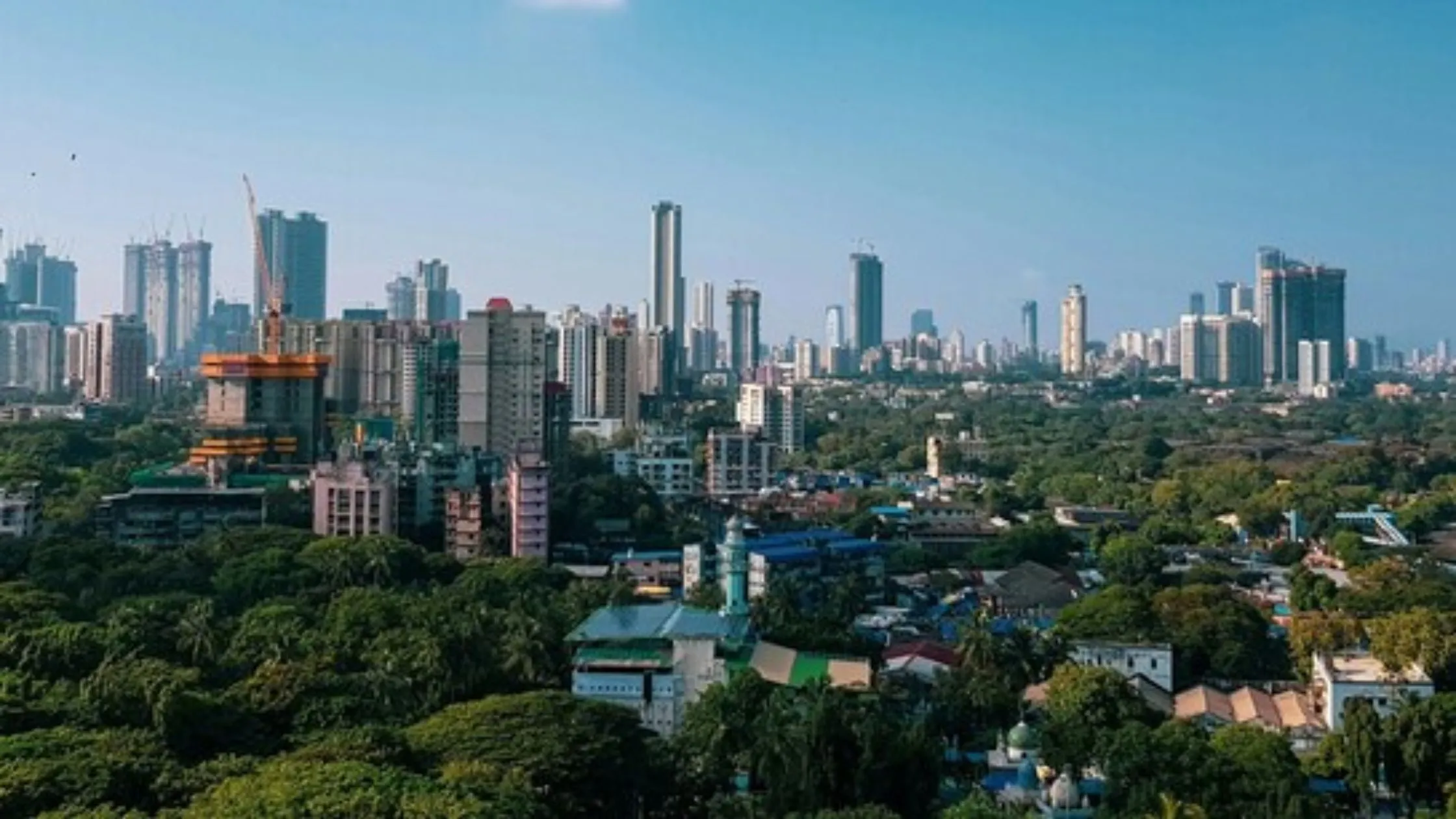
Mumbai’s housing market stands at a critical juncture. With nearly 90% of the city’s developable land already utilised and property prices continuing to rise, the Mumbai affordability index has reached 50%, meaning an average household spends nearly half of its income on home loan EMIs.
To address these mounting structural challenges, the Maharashtra Housing and Area Development Authority (MHADA) is pivoting towards large-scale cluster redevelopment that could unlock 800–1,000 acres of land for integrated housing projects across the city.
This move signals a significant shift in how Mumbai plans to solve its long-standing affordability and land scarcity issues.
Understanding the Mumbai Affordability Index at 50%
The Mumbai affordability index measures how much of a household’s income goes toward servicing a home loan. At 50%, it suggests that buying a home in Mumbai requires allocating half of monthly earnings to EMIs a level considered financially stressful.
Compared to other Indian metros, Mumbai consistently ranks as one of the least affordable housing markets. Rising land prices, high premiums, development charges, and limited supply have collectively pushed ownership beyond the reach of many middle-income buyers.
A Mumbai affordability index at this level highlights the urgent need for policy reforms and structural intervention.
Also Read: Office Expansion in Bengaluru: Key Drivers Behind Tech Major’s Growth
Why Cluster Redevelopment Is Now the Focus
Given the shrinking availability of vacant land, MHADA has announced plans to unlock 800–1,000 acres through cluster redevelopment. Instead of redeveloping single buildings in isolation, the cluster model consolidates multiple plots into integrated layouts spanning 60 to 100 acres.
This approach allows:
- Better urban planning
- Improved infrastructure and road networks
- Dedicated open spaces and amenities
- Township-style residential pockets
By opening up large land parcels, authorities aim to ease pressure reflected in the Mumbai affordability index and generate long-term housing supply.
How Much Housing Can Be Created?
Under Maharashtra’s broader housing roadmap, 2.8 million affordable homes are targeted across the Mumbai Metropolitan Region (MMR) by 2030. MHADA is expected to contribute around 800,000 units directly and indirectly.
In the last two and a half years alone, approximately 50,000 homes have been delivered. Officials indicate that 60–70% of future supply could emerge from approved and pipeline cluster redevelopment projects.
Such scale is essential if the Mumbai affordability index is to improve meaningfully over time.
Premium Rationalisation: A 25% Price Reduction Possible?
MHADA’s leadership has also suggested that rationalising premiums, development charges, and housing-related taxes could potentially reduce prices by up to 25% in certain segments.
High statutory costs often get passed on to buyers, inflating final property prices. A calibrated reduction could directly ease the burden reflected in the Mumbai affordability index, particularly for first-time buyers and middle-income households.
Policy reform, therefore, becomes as important as supply expansion.
Focus on EWS and LIG Housing
A major share of the new housing stock is expected to benefit Economically Weaker Sections (EWS) and Low-Income Groups (LIG).
Cluster redevelopment allows authorities to integrate affordable units within larger master-planned layouts, ensuring:
- Cross-subsidisation models
- Balanced community development
- Access to better civic infrastructure
Improving housing access for lower-income groups is critical if the Mumbai affordability index is to move toward sustainable levels.
Infrastructure as a Growth Multiplier
Upcoming infrastructure projects including metro network expansion and the Navi Mumbai International Airport are expected to redistribute housing demand across the MMR.
Better connectivity may unlock peripheral corridors, easing pressure on core Mumbai zones. However, officials caution that supply must be carefully calibrated to avoid temporary oversupply or unsold inventory.
If executed strategically, infrastructure upgrades could gradually improve the Mumbai affordability index by balancing demand and supply across regions.
Also Read: UP Lift & Escalator Act 2024: 80% Registrations from Noida, Statewide Compliance Slow
A Shift from Fragmented to Integrated Development
Mumbai’s earlier redevelopment model largely focused on individual buildings. While effective in isolated cases, it has proven inadequate for addressing citywide housing shortages.
Cluster redevelopment introduces:
- Larger planning frameworks
- Improved disaster resilience
- Efficient land utilisation
- Higher-quality public spaces
This systemic shift is being positioned as a long-term solution to stabilise the Mumbai affordability index while ensuring inclusive urban growth.
The Road Ahead
With land scarcity, rising construction costs, and strong housing demand, Mumbai faces complex urban challenges. The Mumbai affordability index at 50% serves as a clear indicator that traditional approaches may no longer suffice.
Cluster redevelopment, policy rationalisation, infrastructure expansion, and diversified housing models, including rental and student housing, are likely to shape Mumbai’s next real estate cycle.
If executed effectively, these reforms could transform the city’s housing landscape, improve accessibility for first-time buyers, and gradually reduce financial stress levels reflected in the Mumbai affordability index.

_1792140859.webp)

_1792151285.webp)
Ans 1. A 50% affordability index means an average household in Mumbai spends nearly half of its monthly income on home loan EMIs, indicating high financial stress for buyers compared to other Indian metros.
Ans 2. Mumbai faces high land costs, steep development premiums, limited vacant land, and strong demand, all of which push property prices upward and reduce affordability for middle-income buyers.
Ans 3. Cluster redevelopment combines multiple plots into large integrated layouts, typically spanning 60–100 acres, allowing better planning, infrastructure upgrades, and higher housing supply.
Ans 4. MHADA plans to unlock around 800–1,000 acres of land, which could significantly boost housing supply and support integrated township-style developments.
Ans 5. The broader housing roadmap targets around 2.8 million affordable homes in the MMR by 2030, with MHADA expected to contribute nearly 800,000 units directly and indirectly.
Ans 6. Officials suggest that rationalising premiums, development charges, and housing-related taxes could lower prices by up to 25% in certain segments, improving affordability for buyers.
Ans 7. Economically Weaker Sections (EWS) and Low-Income Groups (LIG) are expected to benefit significantly, as cluster projects aim to integrate affordable housing within larger master-planned communities.
Ans 8. Metro expansion and the Navi Mumbai International Airport may redistribute demand to peripheral areas, easing pressure on central zones and potentially improving affordability over time.
Ans 9. It shifts the city from fragmented building-level redevelopment to integrated planning, enabling better land use, improved civic amenities, and long-term housing stability.
Ans 10. Improvement depends on consistent policy reforms, faster project execution, infrastructure upgrades, and steady affordable housing supply under cluster redevelopment initiatives.